
Introduction
When it comes to improving your fitness, even the simplest movements can create powerful results. Two of the easiest and most effective exercises are walking and climbing stairs. The debate of walking vs stairs is becoming more popular because people want exercises that are easy, free, and can fit into a busy lifestyle. But which one should you choose? Let’s break it down step by step to help you find your perfect power path to fitness today.
Understanding the Basics
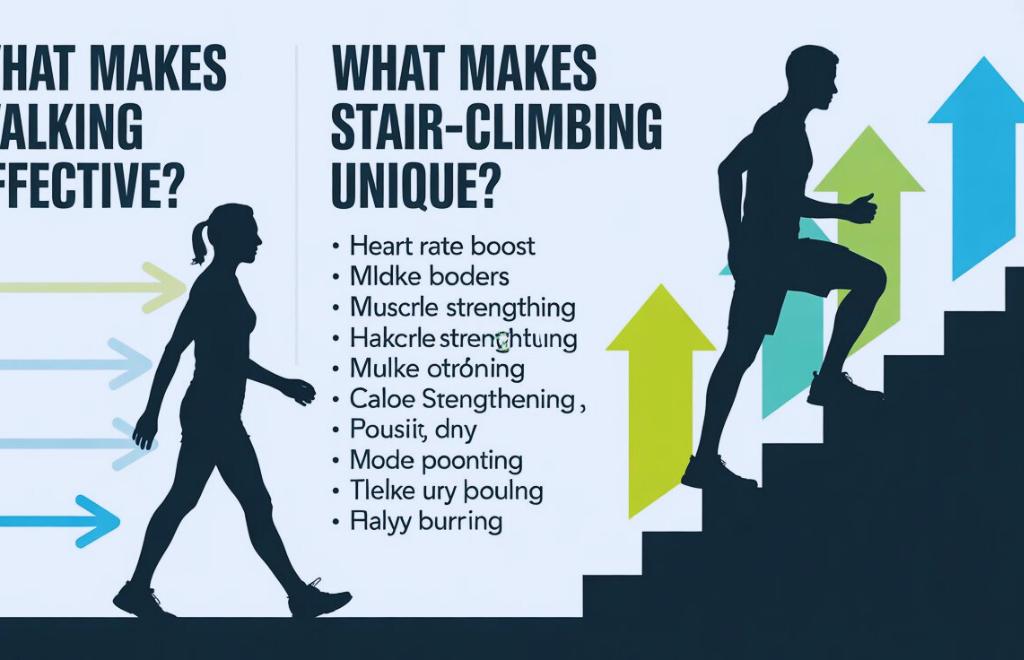
What Makes Walking Effective?
Walking is one of the most natural and beginner-friendly exercises. Anyone can start doing it, whether you’re young, old, fit, or just starting your journey. It boosts your heart rate, strengthens your legs, and helps you burn calories without putting stress on your joints.
What Makes Stair-Climbing Unique?
Stair climbing is like turning walking into a powerful upgrade. Each step requires lifting your body up, which instantly increases intensity. It challenges your muscles, heart, and lungs more than regular walking — meaning quicker results in less time.
Walking vs Stairs — Which Burns More Calories?
Calorie Comparison Per Minute
If you’re short on time, stairs clearly win this battle. Walking burns between 3–5 calories per minute, while stair climbing can burn 8–11 calories per minute.
How Intensity Affects Results
While walking is steady and easy, stair climbing pushes your body harder. Higher intensity means more calorie burn, faster. But that doesn’t mean walking is weak — consistency makes walking a long-term champion for fitness and weight control.
Benefits of Walking
Boosts Heart Health
A simple daily walk lowers blood pressure, reduces cholesterol, and improves circulation. It keeps your heart working at a comfortable pace without overloading it.
Easy on Joints
Walking is gentle. It doesn’t stress your knees or back like many intense workouts do.
Supports Weight Loss
Regular walking helps burn fat slowly and steadily. If paired with a healthy diet, walking can transform your body.
Improves Mood and Reduces Stress
Walking releases endorphins, clears your mind, and reduces anxiety. It’s like therapy — but free.
Benefits of Taking the Stairs
Builds Strength and Endurance
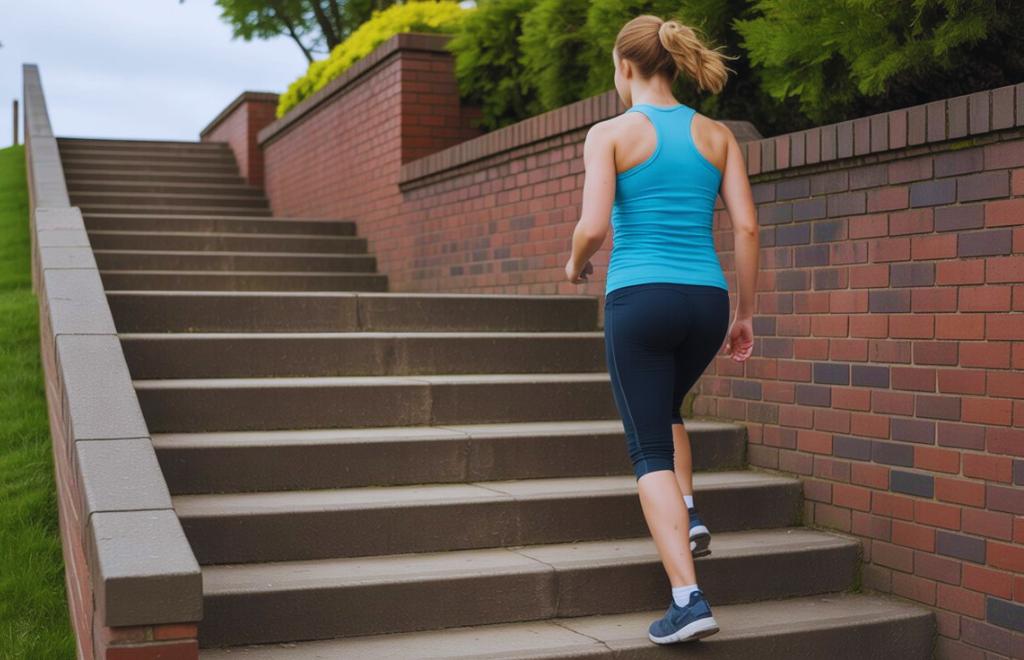
Climbing stairs strengthens your glutes, quads, calves, and even your core. It’s one of the best lower-body workouts you can do without equipment.
Burns Calories Faster
Because stair climbing is a high-intensity movement, you burn calories at nearly double the rate of walking.
Improves Lung Capacity
With every step, your lungs work harder. This helps improve stamina and breathing.
Strengthens Core and Lower Body
Your core muscles stabilize your body with each step. Stair climbing also shapes your legs and hips faster than walking.
Walking vs Stairs for Weight Loss
Which One Delivers Faster Results?
If you want fast fat-burning results, stairs are the winner. Their high intensity means quicker calorie burn and muscle activation.
Realistic Expectations
Walking is better for long-term consistency. It’s easier to do every day, which makes it perfect for sustainable weight loss.
Walking vs Stairs for Heart Health
Cardiovascular Benefits of Both
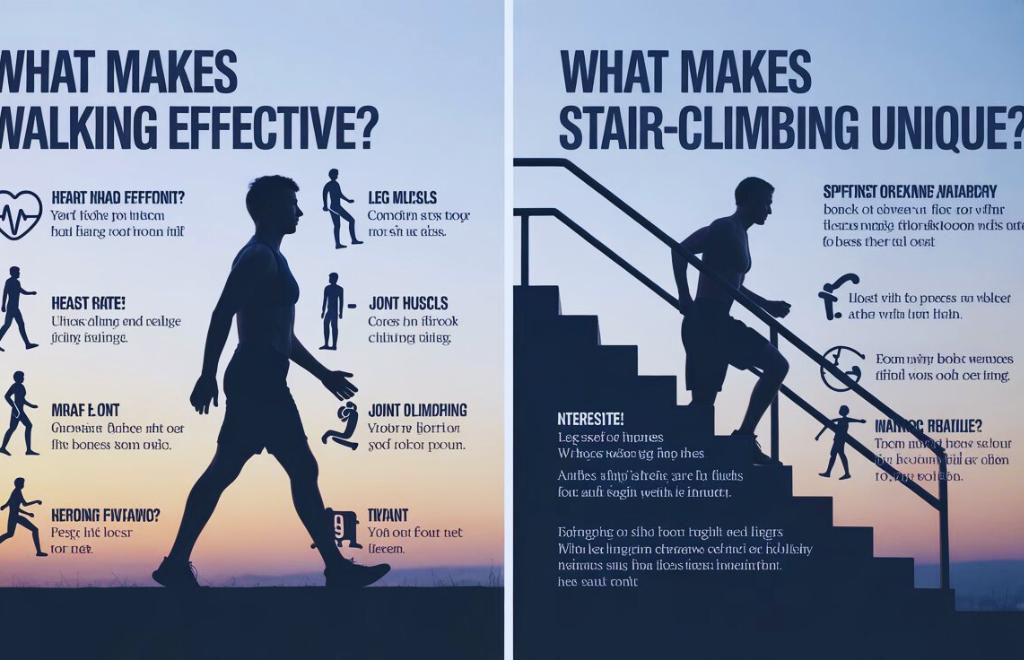
Both exercises improve heart function, circulation, and overall cardiovascular fitness. However, stairs give your heart a more intense workout.
Which Is Better for Long-Term Heart Health?
Both are excellent, but walking is safer for those with heart issues or beginners. Stair climbing is great when done moderately and safely.
Which Is Better for Beginners?
Starting Slow with Walking
Walkers can start with just 10 minutes a day and slowly increase pace and duration. It’s a perfect beginner-friendly exercise.
How Beginners Can Safely Climb Stairs
Start with a few steps, go slow, and focus on breathing. Keep your balance and gradually increase the number of floors.
Walking vs Stairs for Muscle Building
Muscle Groups Activated in Walking
Walking works your calves, hamstrings, glutes, and core — but in a gentle, low-intensity way.
Muscle Groups Activated in Stair-Climbing
Stairs hit all the muscles in your legs much harder. You’ll feel the burn in your thighs, butt, and calves. It’s like a natural leg workout.
Which Works Best for Busy People?
Walking on the Go
Walk during lunch breaks, while taking calls, or even inside your home. No equipment, no strict planning.
Stair Workouts in Minutes
Short on time? A 5-minute stair session can feel like a 20-minute walk — perfect for busy schedules.
Tips to Maximize Results

Combine Both for Better Fitness
Do a mix of walking and stair climbing. For example:
- Walk for 20 minutes
- Climb stairs for 3–5 minutes
This combination boosts fat burn, builds muscle, and increases endurance.
Track Progress and Stay Motivated
Use a step counter or mobile app. Seeing your progress motivates you to stay consistent.
Conclusion
When it comes to Walking vs Stairs, the truth is simple: both are powerful, effective, and free. Walking is perfect for beginners, long-term health, and everyday movement. Stair climbing is ideal if you want quick results, stronger muscles, and a more intense workout.
So, which path should YOU choose today?
Choose the one that suits your lifestyle — or combine both for maximum fitness power. Either way, you win.
FAQs
1. Which is better for weight loss — walking or stair climbing?
Stair climbing burns more calories, but walking is easier to do daily. Both help with weight loss.
2. Is stair climbing safe for people with knee pain?
Walking is safer. Stair climbing may cause strain if you already have knee problems.
3. How many steps of stairs equal 10 minutes of walking?
Around 2–3 minutes of stair climbing equals 10 minutes of walking in intensity.
4. Can I do both exercises on the same day?
Yes! Combining both gives excellent fitness and fat-burning results.
5. How long should I walk daily for good health?
Aim for at least 20–30 minutes of brisk walking each day.










Leave a Comment