

Aging is a natural part of life, but staying fit, energetic, and strong doesn’t have an expiration date. Today, older men and women across the world are proving that fitness is not just for the young — it’s a lifelong journey that evolves with time. While bodies change with age, the desire for health, mobility, and independence remains powerful. This article reveals the powerful secrets seniors use to stay healthier, happier, and more active than ever before.
These insights are not only inspiring but also practical for anyone looking to maintain long-term fitness.
1. Understanding the Aging Body: Why Fitness Matters More Than Ever
As people grow older, muscle mass declines, metabolism slows, and bones lose density. These changes can lead to weakness, fatigue, and a greater risk of falls. That’s why older adults place a higher value on exercise than many younger individuals realize.
Most older men and women view fitness not as an option — but as a necessity. They exercise to reduce pain, maintain independence, protect their heart, and stay mentally sharp. Many say that staying active helps them enjoy daily activities like walking, gardening, playing with grandchildren, or simply getting out of bed pain-free.
In other words, fitness is the foundation of healthy aging.
2. Low-Impact Exercises: The Secret Weapon for Longevity
High-impact workouts can be tough on aging joints, so most older adults shift to low-impact exercises that are gentler but still highly effective.
Popular choices include:
- Walking – the simplest and safest exercise for heart health
- Swimming – a full-body workout without joint stress
- Cycling – builds leg strength and boosts stamina
- Yoga or Pilates – improves flexibility and balance
- Tai Chi – enhances coordination and reduces fall risks
The magic of low-impact workouts is that they protect joints while still strengthening the body. Older men and women often say these activities help them stay consistent without worrying about injuries.
3. Strength Training: The Most Powerful Anti-Aging Tool
While cardio is important, strength training is the true game changer for older adults. After age 40, people can lose up to 8% of muscle mass every decade. Without resistance training, this decline accelerates.
Older men and women use strength training to:1
- Build and maintain muscle
- Increase bone density
- Improve posture
- Boost metabolism
- Ease chronic pain
- Keep daily activities easy
Exercises like bodyweight squats, dumbbell workouts, resistance bands, kettlebell lifts, or even simple chair exercises help seniors stay strong and mobile. Many older adults report that strength training makes them feel more empowered and confident.
4. The Mind-Body Connection: Fitness Starts in the Brain
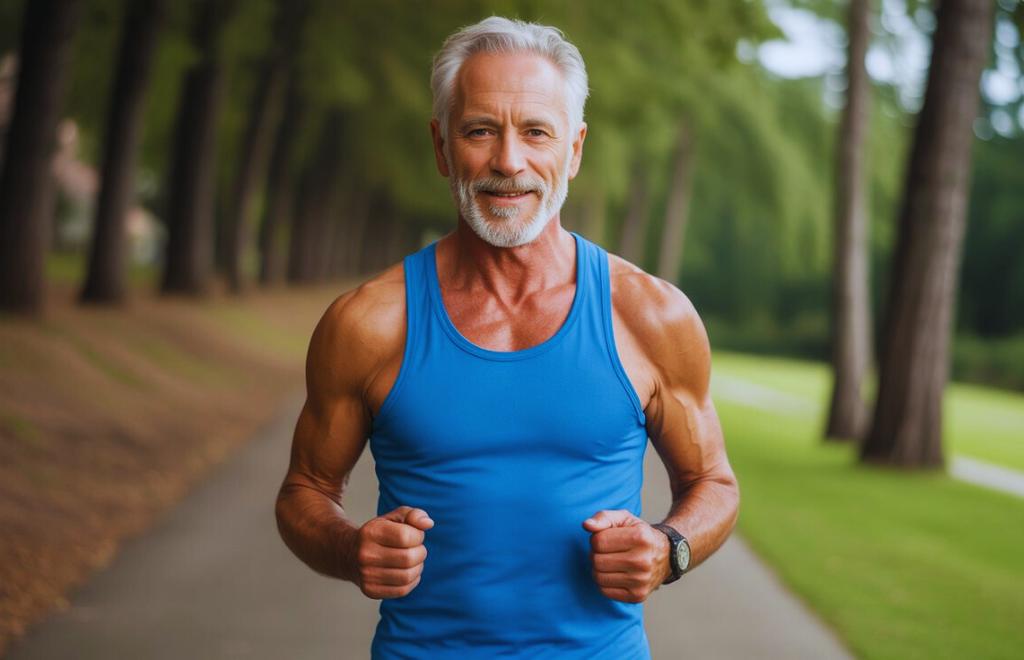
Seniors often say that mental strength is just as important as physical strength. As people age, stress, loneliness, and lack of motivation can impact health. That’s why older adults embrace exercises that nourish both mind and body.
These include:
- Meditation – reduces stress
- Breathing exercises – improves relaxation
- Mindful walking – boosts focus and happiness
- Yoga – combines stretching, balance, and mental calmness
Older individuals understand that a healthy mind fuels a healthy body. Many say they sleep better, think clearer, and feel happier when they take care of their mental wellness.
5. Functional Fitness: Staying Strong for Daily Life
Functional fitness exercises mimic real-life movements — bending, lifting, twisting, climbing stairs, or carrying groceries. This is the type of fitness older adults value most.
Examples include:
- Squats
- Step-ups
- Light kettlebell lifts
- Resistance band pulls
- Core strengthening exercises
These movements help seniors stay independent. They reduce fears such as falling, struggling to get out of a chair, or losing mobility. Older people often say that functional fitness keeps them feeling young and capable.
6. Nutrition Secrets Older Adults Swear By
Exercise alone isn’t enough. Older men and women pay close attention to their diet, focusing on foods that fuel energy and support long-term health.
Their nutritional secrets include:
- High-protein foods (fish, chicken, eggs, lentils) to build muscle
- Healthy fats (avocado, olive oil, nuts) for brain function
- Fiber-rich foods (fruits, vegetables, whole grains) for digestion
- Calcium-rich choices (milk, yogurt, leafy greens) for strong bones
- Hydration – older adults often drink more water to avoid dehydration
Many seniors also limit processed foods, sugar, and unhealthy fats. They prefer simple home-cooked meals that nourish the body without causing inflammation.
7. The Power of Routine: Consistency Over Intensity

Older men and women understand one important truth: it’s better to exercise regularly than intensely.
Instead of pushing their limits, they:
- Follow steady daily routines
- Take shorter but more frequent walks
- Spread exercises throughout the week
- Listen to their body’s signals
- Avoid skipping long periods of physical activity
This consistency protects them from injuries and ensures lasting results. Seniors often say, “a little bit every day keeps me young.”
8. Social Fitness: Staying Active Through Community
One of the most surprising secrets behind senior fitness is the power of social connection. Older adults stay more committed to exercise when they enjoy it with friends or join group activities.
Popular choices include:
- Walking clubs
- Community aerobics classes
- Senior yoga groups
- Dance classes
- Outdoor gardening groups
Exercising socially boosts motivation, reduces loneliness, and brings joy. Many older adults say that staying active with others keeps their spirits high and encourages them to show up regularly.
9. Smart Recovery: Rest, Sleep, and Injury Prevention
Older men and women know that recovery is just as important as exercise. As the body ages, muscles need more time to heal and rebuild.
Their recovery habits include:
- Getting 7–8 hours of sleep
- Stretching after workouts
- Using heat or cold therapy
- Taking rest days
- Staying hydrated
- Avoiding movements that cause pain
Seniors who recover properly see better fitness results and avoid injuries. Many say that prioritizing rest helps them maintain energy throughout the day.
10. The Secret to Staying Fit: A Positive, Youthful Mindset
Perhaps the most powerful secret of all is mindset. Older adults who stay fit maintain a youthful outlook. They see fitness not as a burden, but as a joy — a gift that keeps them moving, thinking, and living fully.
They:
- Celebrate small wins
- Embrace movement at any age
- Believe in their ability to improve
- Stay curious and open to new activities
- Focus on feeling good, not perfection
This positive attitude is what keeps them committed, motivated, and energetic.
Final Thoughts
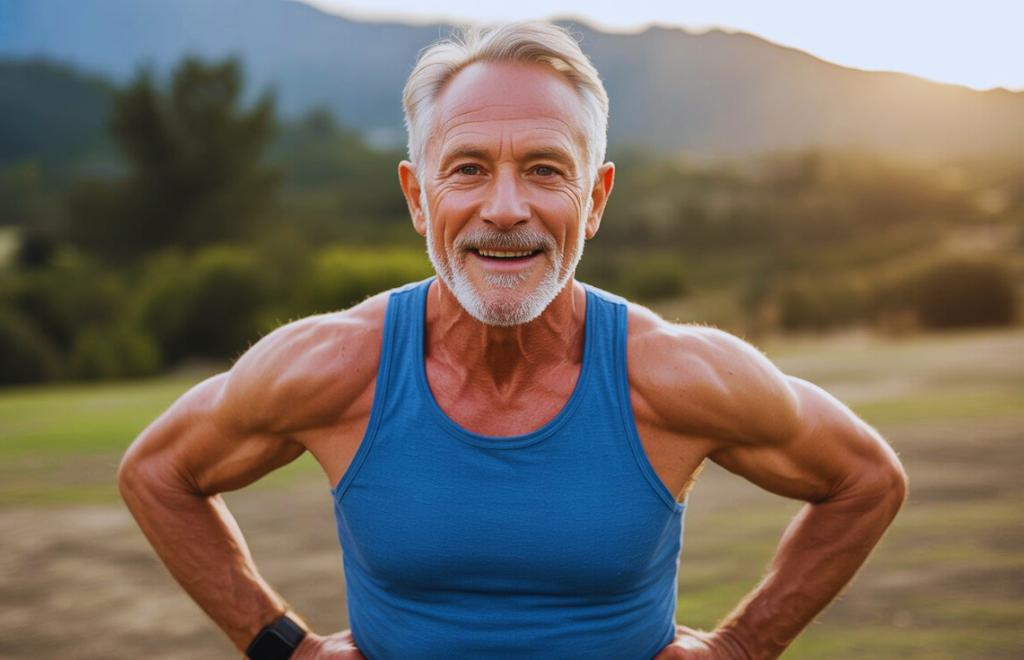
Older men and women are rewriting the rules of aging. Their secrets to staying fit are simple yet powerful: move daily, eat well, stay strong, stay social, and protect your mental health. Fitness is not about age — it’s about consistency, self-care, and a willingness to stay active.
These insights show that anyone, at any stage of life, can enjoy better health and vitality. The powerful secrets shared by older adults remind us that it’s never too late to start, and every small step can lead to a longer, stronger, happier life.
FAQ Section
1. Why is exercise important for older men and women?
Exercise helps maintain muscle strength, improve mobility, boost heart health, reduce pain, and support long-term independence as the body ages.
2. What are the safest exercises for seniors?
Low-impact workouts such as walking, swimming, cycling, yoga, and tai chi are safe and effective for older adults.
3. Can older adults build muscle after 50 or 60?
Yes! With consistent strength training and proper nutrition, older adults can build and maintain muscle at any age.
4. How often should seniors exercise?
Experts recommend at least 150 minutes of moderate activity per week, plus 2–3 days of strength training and daily flexibility exercises.
5. What diet supports healthy aging?
A balanced diet with protein, healthy fats, fruits, vegetables, whole grains, calcium-rich foods, and plenty of water helps support overall wellness.
6. How do older adults stay motivated to exercise?
They stay consistent with routines, join social fitness groups, focus on small goals, and choose enjoyable activities that fit their lifestyle.
7. Can exercise reduce joint pain for seniors?
Yes. Low-impact movement and strength training help reduce stiffness, improve joint stability, and decrease chronic pain.
8. Is it safe for older adults to lift weights?
Absolutely—when done correctly. Using light weights or resistance bands improves strength, balance, and bone density safely.
9. How does exercise help mental health in older adults?
Fitness reduces stress, improves sleep, boosts mood, and lowers risks of anxiety and cognitive decline.
10. What is the best way for seniors to start a fitness routine?
Start slow, choose low-impact exercises, focus on consistency, and gradually increase intensity based on comfort and ability.







Leave a Comment