
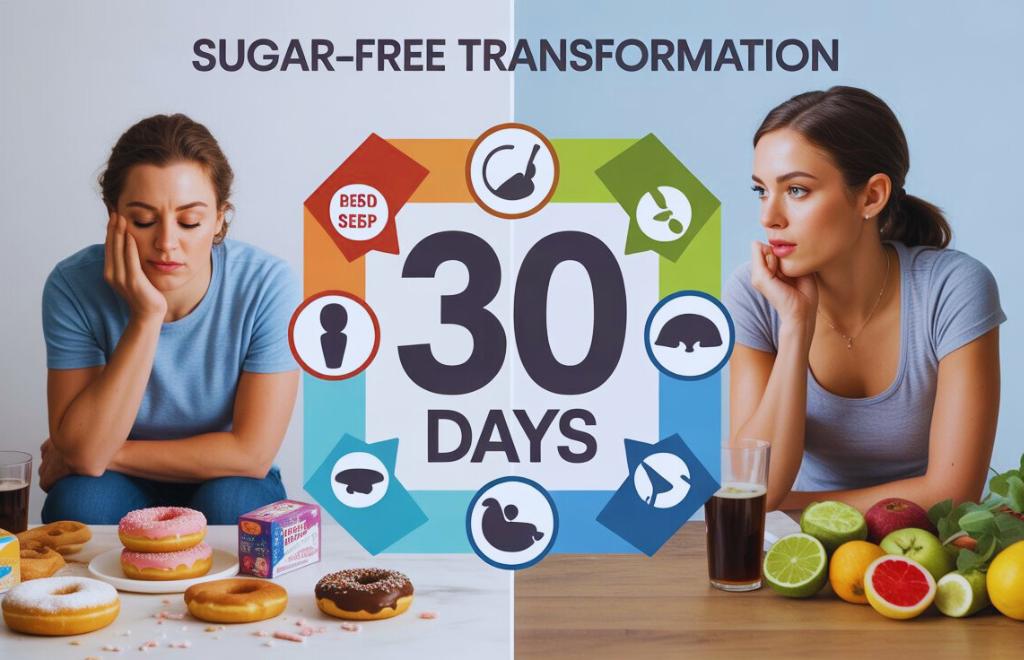
Introduction: The Sweet Problem
Sugar is omnipresent in the modern diet.1 It hides in obvious places like sodas and desserts, but also lurks in seemingly healthy foods like salad dressings, yogurts, and bread.2 The average person consumes far more than the recommended daily limit, leading to a host of chronic health issues, from obesity and type 2 diabetes to heart disease and chronic inflammation.
The idea of completely eliminating sugar—even the “hidden” kind—for 30 days can sound daunting, even impossible. But this short-term commitment is one of the most powerful things you can do to reset your body, recalibrate your palate, and fundamentally change your relationship with food. It is not just about weight loss; it is about reclaiming control of your energy, mood, and long-term health.3
This article explores the profound physical and psychological changes you can expect when you embark on a 30-day sugar-free challenge, offering a week-by-week guide to the process, supported by scientific principles.
Phase 1: The Initial Shock (Days 1–7)
The first week is often the most challenging, as your body fights against the sudden removal of its primary, and often most readily available, energy source.
The Withdrawal Effect
Sugar withdrawal is a very real phenomenon. High sugar intake triggers the release of dopamine in the brain, similar to addictive substances.4 When you stop, your brain signals distress.
- Intense Cravings: Expect powerful urges for sweet foods, especially around times you normally consume them.5
- Headaches and Fatigue: As blood sugar stabilizes, you may experience headaches, lethargy, and a general “fog.”6
- Mood Swings: Irritability, anxiety, and difficulty concentrating are common as your body adjusts to operating without constant glucose spikes.7
The Shift in Fuel Source
During this phase, your body begins the crucial switch from relying on fast-acting glucose (sugar) for energy to utilizing stored fat, a process known as keto-adaptation. This is the first step toward metabolic flexibility—the ability to efficiently burn different fuel sources.
Consultation Point: Focus on consuming plenty of water, fibrous vegetables, and healthy fats (avocados, nuts, seeds) to manage hunger and stabilize energy.8 Prioritize getting 7-9 hours of quality sleep to help your body manage stress hormones.9
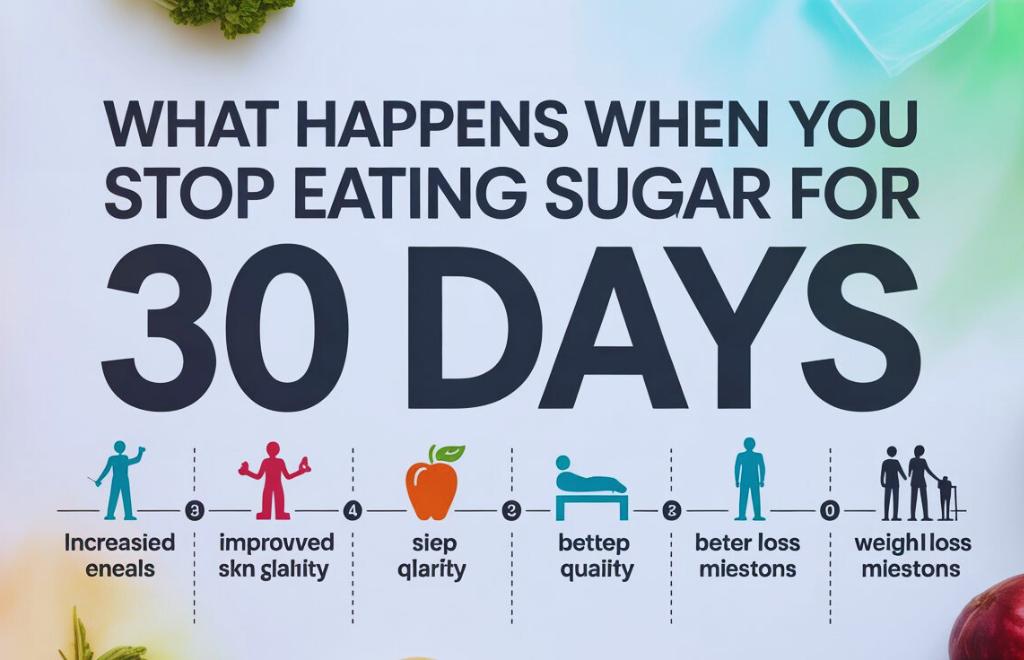
Phase 2: Adaptation and Improvement (Days 8–14)
By the second week, the acute withdrawal symptoms usually subside, and the positive changes begin to emerge.
Stabilized Energy and Mood
As your blood sugar roller coaster slows down, you will start to notice a marked improvement in your day-to-day stability.
- Noon Energy Dip Elimination: The classic post-lunch slump, often triggered by a sugar-laden meal, begins to disappear. Your energy levels become more sustained throughout the day.
- Mental Clarity: The “sugar fog” lifts. Many people report improved focus, better concentration, and greater productivity.10
- Improved Sleep Quality: Because your blood sugar is no longer spiking and dipping overnight, your body can achieve deeper, more restorative sleep cycles.11
Digestive Benefits
Removing refined sugar reduces the food source for pathogenic (bad) bacteria and yeast in the gut.12
- Reduced Bloating: Sugar ferments in the gut, producing gas and causing bloating. Removing it allows the gut lining to heal and reduces uncomfortable distension.
- More Regularity: As you naturally increase your fiber intake from whole, your digestion becomes smoother and more predictable.13
Consultation Point: Be vigilant about “hidden” sugars in sauces and condiments. Read every label. Introduce light to moderate exercise (like a 30-minute walk) to boost metabolism and mood.
Phase 3: Visible Transformation (Days 15–23)
The momentum picks up in the third week, where the changes become more noticeable both to you and others.
Weight and Body Composition Changes
This is when the primary goal for many—weight loss—becomes tangible.
- Decreased Water Retention: Sugar causes the body to retain sodium and water. Cutting it out leads to a rapid initial drop in water weight, contributing to a slimmer appearance.14
- Fat Burning Acceleration: The body is now efficient at tapping into stored fat for fuel. This leads to a reduction in visceral fat (dangerous fat around the organs) and subcutaneous fat.
- Reduced Abdominal Bloat: The decrease in inflammation and water retention dramatically reduces puffiness, especially in the midsection.15
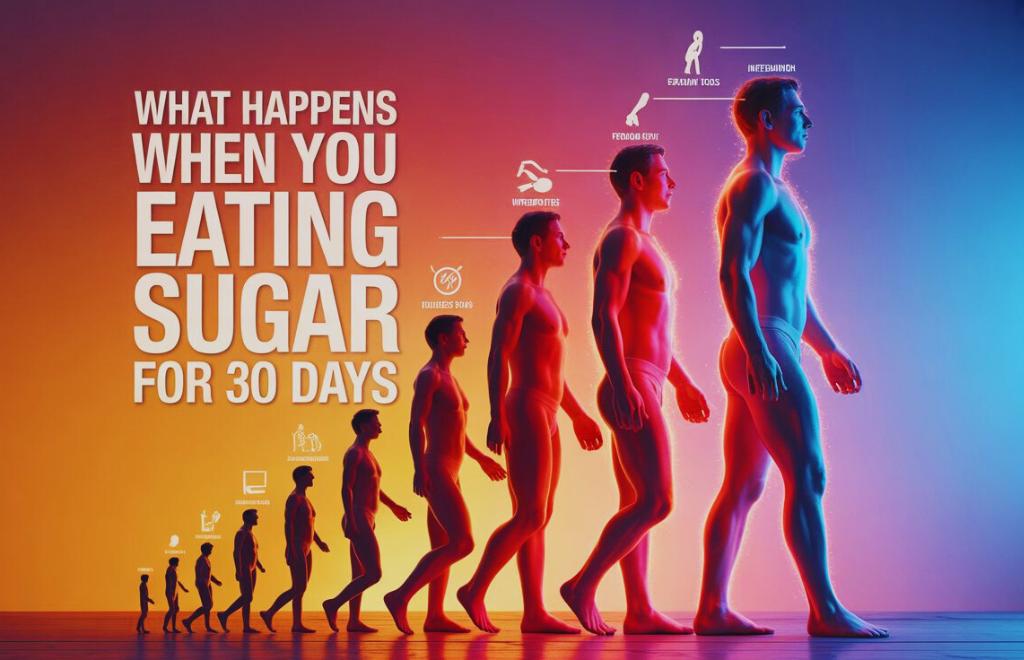
Skin Health Radiance
Chronic inflammation is a major driver of skin aging, acne, and redness.16 Sugar is highly pro-inflammatory.17
- Clearer Complexion: Reduced inflammation means less redness, fewer breakouts, and a calmer skin tone.18
- Anti-Aging Effect: High sugar intake causes a process called glycation, where sugar molecules bind to proteins (like collagen and elastin), making them stiff and brittle.19 Cutting sugar slows this process, preserving the skin’s elasticity.
Consultation Point: You have successfully broken the habit! Now focus on integrating new, delicious ways to prepare whole foods. Experiment with spices (cinnamon, vanilla extract) and natural, unsweetened flavors to keep food exciting.
Phase 4: Full Reset (Days 24–30)
By the final week, the 30-day challenge feels less like a struggle and more like a sustainable lifestyle.
Recalibrated Taste Buds
This is arguably the most significant long-term change. Your palate becomes much more sensitive to natural sweetness.
- Natural Foods Taste Sweeter: A simple apple, a handful of berries, or carrots will taste intensely sweet to you, proving that your sugar threshold has lowered.
- Highly Processed Foods Taste Unpleasant: The cloying, artificial sweetness of typical processed snacks and drinks may now taste overpoweringly sweet and even chemically. This natural aversion makes maintaining the lifestyle much easier.
Hormonal Harmony
Quitting sugar brings critical hormones back into balance.
- Increased Insulin Sensitivity: The constant bombardment of glucose wears down the cellular response to insulin, leading to insulin resistance (the precursor to type 2 diabetes). 30 days of abstinence restores cellular sensitivity, making your body’s most critical energy-regulating system function smoothly.
- Appetite Control: The leptin and ghrelin hormones (which signal satiety and hunger, respectively) begin to function correctly, leading to less compulsive eating and better portion control.20
Consultation Point: Plan for Day 31 and beyond. You’ve proven you don’t need sugar. Decide what your new, healthy relationship with sugar will be—allowing it only for rare, meaningful occasions, or avoiding it completely.
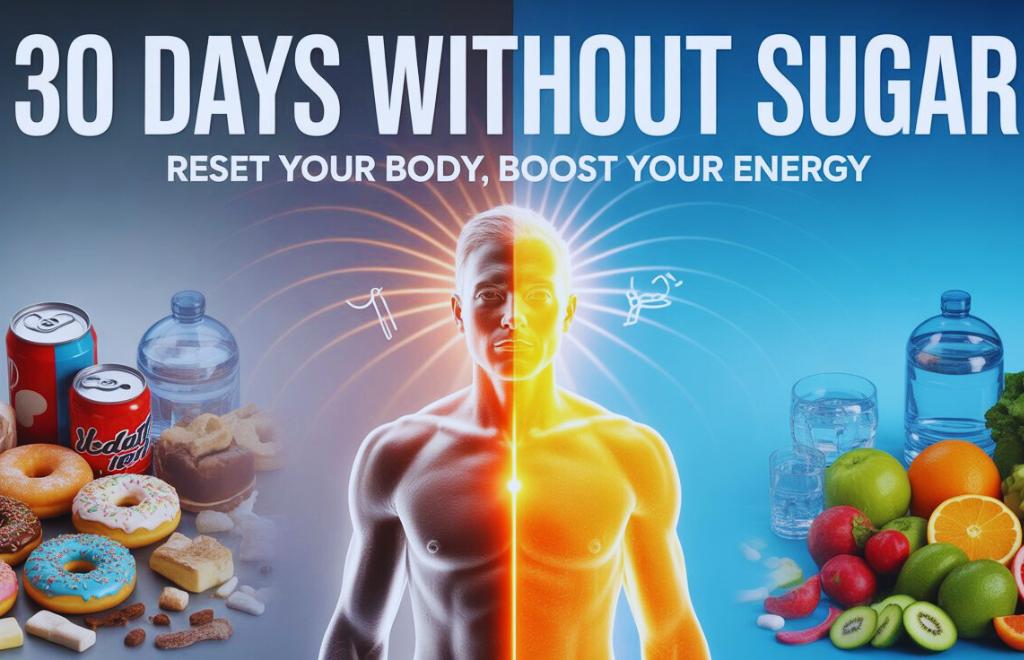
Conclusion: Beyond 30 Days
The 30-day sugar-free challenge is more than a detox; it is a profound lesson in nutrition and self-control. The initial struggle gives way to measurable improvements in energy, mood, weight, and skin health. Most importantly, it frees you from the dependency that drives mindless eating and constant cravings.
While reintroducing natural sugars from fruit is fine after the challenge, the goal is to never return to the high-sugar, inflammatory diet of the past. The newfound sensitivity of your taste buds and the stability of your energy are gifts that can sustain a healthier, more vibrant life well into the future.
❓ Frequently Asked Questions (FAQ)
| Question | Answer |
| What kind of sugar do I have to cut out? | You must eliminate added sugar. This includes table sugar, high-fructose corn syrup, brown rice syrup, cane sugar, honey, maple syrup, agave, and coconut sugar. Avoid processed foods, sweetened drinks, and most condiments. |
| Can I eat fruit? | Generally, a strict 30-day challenge advises limiting fruit intake, especially high-sugar fruits (bananas, grapes, mangoes) for the first two weeks to help reset your palate and break the sugar addiction cycle. Focus instead on berries and low-glycemic fruits like avocados and lemons. |
| Are artificial sweeteners allowed? | Most experts advise against them. Artificial sweeteners (Splenda, Aspartame, Stevia, Monk Fruit) still signal sweetness to the brain, which can perpetuate cravings and may still have an impact on the gut microbiome and insulin response. The goal is to eliminate the taste of intense sweetness. |
| What can I use instead of sugar in coffee/tea? | Use spices like cinnamon or nutmeg. Vanilla extract or a splash of unsweetened almond milk can also add depth. The ultimate goal is to enjoy the beverage plain, appreciating its natural flavor. |
| I feel irritable and tired. Is this normal? | Yes, absolutely. This is part of the withdrawal process (Days 1-7). It is a sign that your body is adapting. Increase your intake of water, electrolytes (bone broth is great), and healthy fats, and ensure you are eating enough calories overall. |
✅ Consultation: Your Next Steps
- Preparation is Key: Clear your pantry of all high-sugar items before Day 1. If it’s not in the house, you can’t eat it.
- Focus on Whole Foods: Build your meals around protein (meat, fish, eggs, beans), healthy fats (avocado, olive oil, nuts), and fiber (all non-starchy vegetables).
- Read Labels Religiously: Sugar has over 50 names.21 Look for ingredients ending in “-ose” (dextrose, maltose) and anything labelled as “syrup.”
- Find a Community: Partner with a friend or join an online challenge group for support and accountability during the tough first week.
- Commit: Remember that 30 days is a brief period in the context of your life. The temporary discomfort is a small price to pay for a fundamental health reset.










Leave a Comment