
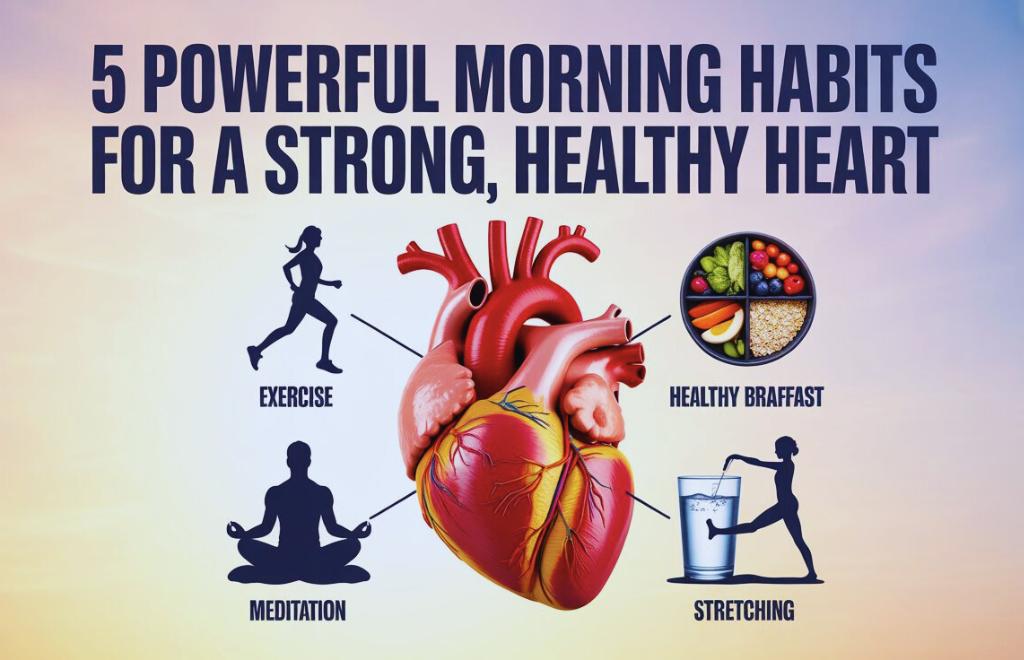
A strong, healthy heart is the key to a long and energetic life. Your heart supports every function in your body by delivering oxygen and nutrients through blood circulation. Although heart disease remains one of the leading health concerns worldwide, many heart problems can be prevented with simple lifestyle changes.
One of the most effective ways to support cardiovascular wellness is by adopting morning habits for heart health. The early hours of the day play a vital role in regulating blood pressure, cholesterol, blood sugar levels, stress hormones, and overall heart function. Small actions practiced consistently each morning can strengthen the heart muscle, improve circulation, and reduce the risk of long-term heart disease.
In this article, we will explore five powerful morning habits that are easy to follow, science-supported, and effective for maintaining a strong, healthy heart.
1. Start Your Morning with Proper Hydration
After several hours of sleep, the body naturally loses fluids. Even mild dehydration can make blood thicker, forcing the heart to work harder to pump it through the body. That is why hydration is a cornerstone of good cardiovascular care.
Why Hydration Supports Health
Drinking water in the morning helps:
- Maintain proper blood volume
- Improve circulation efficiency
- Reduce pressure on the heart
- Support stable blood pressure
When the body is well hydrated the can pump blood more smoothly and efficiently.
Best Way to Build This Habit
Drink one to two glasses of lukewarm water within 10–15 minutes of waking up. Adding a little lemon is optional, but plain water is enough. Avoid sugary beverages or strong coffee as your first drink, as they may temporarily increase heart rate.
Making hydration a daily practice is one of the simplest morning habits for health.
2. Add Gentle Physical Movement
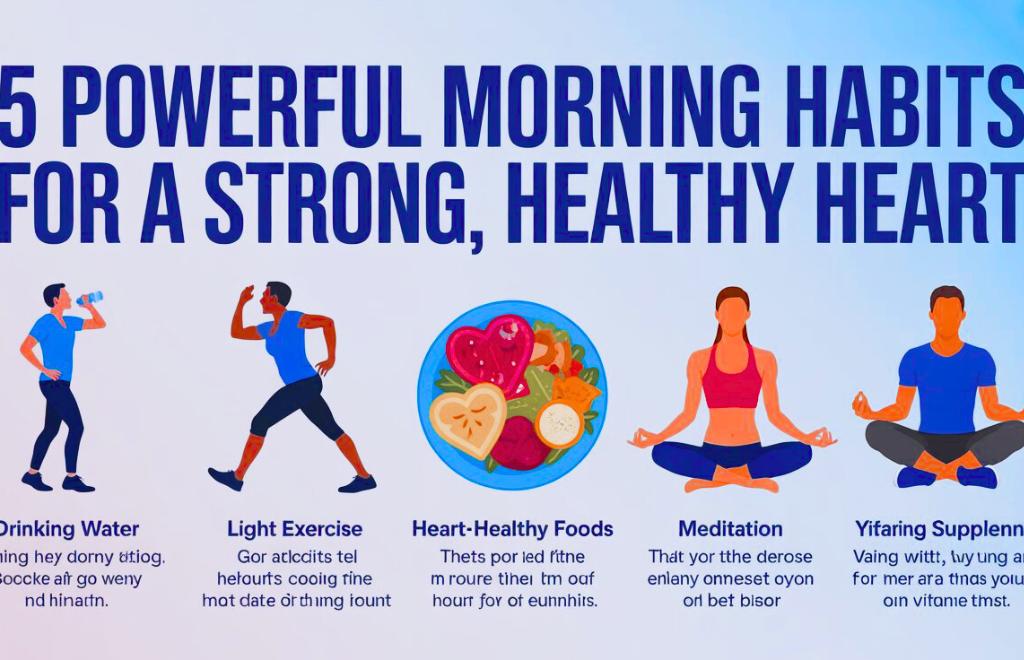
You don’t need intense workouts to benefit your heart early in the day. Gentle movement helps activate the cardiovascular system and improves blood flow throughout the body.
Benefits of Morning Activity
Light movement in the morning:
- Strengthens the heart muscle
- Improves blood vessel flexibility
- Helps regulate blood pressure
- Supports healthy cholesterol levels
Regular activity also improves insulin sensitivity, lowering the risk of diabetes—a major risk factor for heart disease.
Recommended Morning Exercises
Choose activities that feel comfortable:
- Brisk walking
- Stretching or yoga
- Easy cycling
- Light bodyweight exercises
Even 10–20 minutes a day can make a noticeable difference. Consistency matters more than intensity when developing effective morning habits for You.
3. Eat a Balanced, Healthy Breakfast
Skipping breakfast or choosing processed foods can negatively impact heart function. A nutritious breakfast provides essential nutrients that support steady energy and cardiovascular balance throughout the day.
What a Healthy Breakfast Should Include
A balanced morning meal contains:
- Fiber to lower bad cholesterol
- Healthy fats to protect arteries
- Protein to support muscles and control appetite
- Antioxidants to reduce inflammation
Healthy Breakfast Options
- Oatmeal with nuts and berries
- Whole-grain toast with avocado
- Yogurt with seeds and fresh fruit
- Eggs with vegetables
- Green smoothies with leafy greens
Avoid refined sugar, fried foods, and processed items. Choosing nutritious foods daily strengthens your morning habits for health and supports long-term wellness.
4. Practice Stress-Reducing Mindfulness
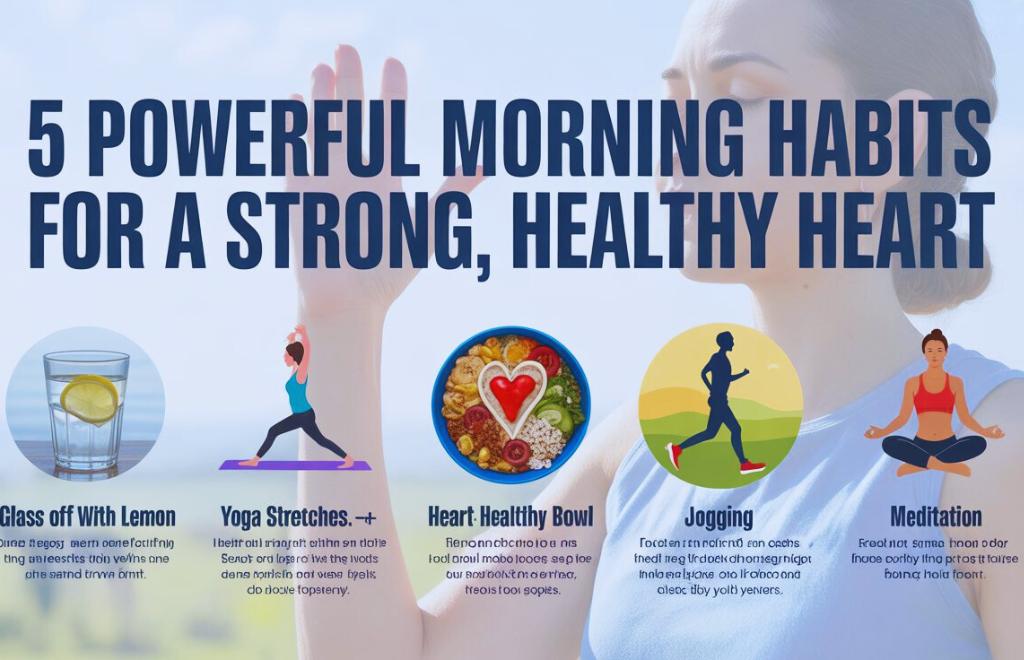
Elevated stress hormones can increase blood pressure, , and inflammation. Starting your day calmly can protect your cardiovascular system.
Why Managing Stress in the Morning Matters
A relaxed morning routine helps:
- Maintain stable blood pressure
- Reduce irregular heart rhythms
- Improve emotional balance
- Prevent stress-related overeating
Simple Morning Mindfulness Techniques
Just 5–10 minutes is enough:
- Deep breathing exercises
- Gratitude journaling
- Quiet meditation
- Prayer or reflection
- Gentle stretching with mindful breathing
Mindfulness is one of the most effective morning habits for especially for people with busy or stressful lifestyles.
5. Get Early Sunlight and Fresh Air
Natural sunlight in the morning helps regulate your body clock, which affects sleep quality, hormone balance, function. Fresh air also improves oxygen intake and mental clarity.
How Morning Sunlight Helps
Early sunlight exposure supports:
- Healthy blood pressure levels
- Improved vitamin D production
- Better sleep patterns
- Reduced stress and low mood
Low vitamin D levels have been linked to higher risks disease, making sunlight an important part of daily morning habits.
Easy Ways to Build This Habit
Spend 10–20 minutes outdoors:
- Take a short walk
- Sit near a sunny window
- Stretch or breathe outdoors
- Garden or care for plants
How These Habits Work Together
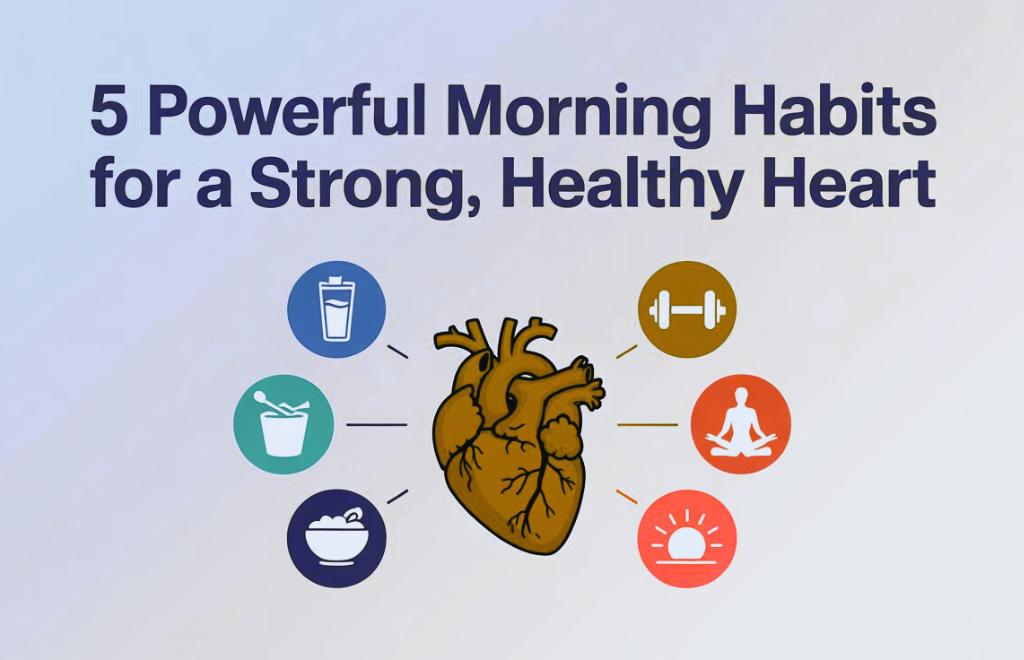
Each habit supports heart health in a different way, but together they create a powerful routine. Hydration improves blood flow, movement strengthens the heart, nutrition fuels the body, stress control protects blood vessels, and sunlight balances hormones. Combined, these morning habits for form a strong foundation for lifelong cardiovascular wellness.
Consistency is more important than perfection. Even small daily efforts can reduce health risks and improve quality of life.
Additional Tips for Long-Term Heart Care
- Avoid smoking and excessive alcohol
- Maintain a healthy weight
- Sleep 7–8 hours nightly
- Limit salt and processed foods
- Schedule regular medical checkups
Conclusion
Building a strong, healthy heart does not require extreme routines or expensive treatments. It begins with small, intentional choices made every morning. By staying hydrated, moving gently, eating a nutritious breakfast, managing stress, and enjoying sunlight, you support your heart naturally and effectively.
These five morning habits for are simple, practical, and suitable for people of all ages. Start with one habit and gradually build your routine. Over time, your overall health—will benefit with better energy, improved function, and a longer, more active life.
Frequently Asked Questions (FAQ)
1. How long does it take to see heart health improvements?
Small benefits such as improved energy and blood pressure may appear within weeks. Long-term improvements usually develop after 2–3 months of consistency.
2. Can these habits lower disease risk?
Yes. These habits help reduce major risk factors like high blood pressure, stress, obesity, and poor circulation.
3. Is morning exercise safe for heart patients?
Light activity is generally safe, but people with heart conditions should consult their doctor before starting a routine.
4. What is the best morning drink for health?
Plain water is ideal. Lemon water, herbal tea, or unsweetened green tea are also good options.
5. Does skipping breakfast affect ?
Yes. Skipping breakfast may increase cholesterol levels and disrupt blood sugar balance.
6. How much sunlight is enough in the morning?
Around 10–20 minutes of natural sunlight is sufficient for most people.
7. Are these habits safe for older adults?
Yes. These routines are gentle, adaptable, and especially beneficial for aging hearts.
8. Can stress alone harm health?
Chronic stress increases heart disease risk by raising blood pressure and inflammation.
9. Do I need to follow all habits every day?
No. Start with one or two habits and build gradually.
10. When should I consult a doctor?
Seek medical advice if you experience chest pain, shortness of breath, dizziness, or irregular heartbeat.










Leave a Comment