
Introduction to Rapid Muscle Growth
Building muscle fast isn’t magic—it’s strategy. If you’ve been lifting weights without seeing serious gains, chances are your routine lacks power and purpose. Power-packed exercise routines for rapid muscle growth focus on intensity, smart programming, and consistency. Think of your body like a high-performance engine. Without premium fuel and the right tuning, it won’t roar.
Why Power-Packed Workouts Matter
Random workouts lead to random results. Structured, high-intensity exercise routines push your muscles beyond comfort zones, forcing them to adapt and grow. When workouts are designed with growth in mind, every rep counts, and every session moves you closer to visible muscle gains.
Understanding Muscle Hypertrophy
Muscle hypertrophy is simply the process of muscle fibers growing thicker and stronger. It happens when resistance training creates micro-tears in muscle tissue, which repair and rebuild stronger than before. Power-packed exercise routines maximize this effect by combining heavy loads with proper volume.
The Role of Progressive Overload
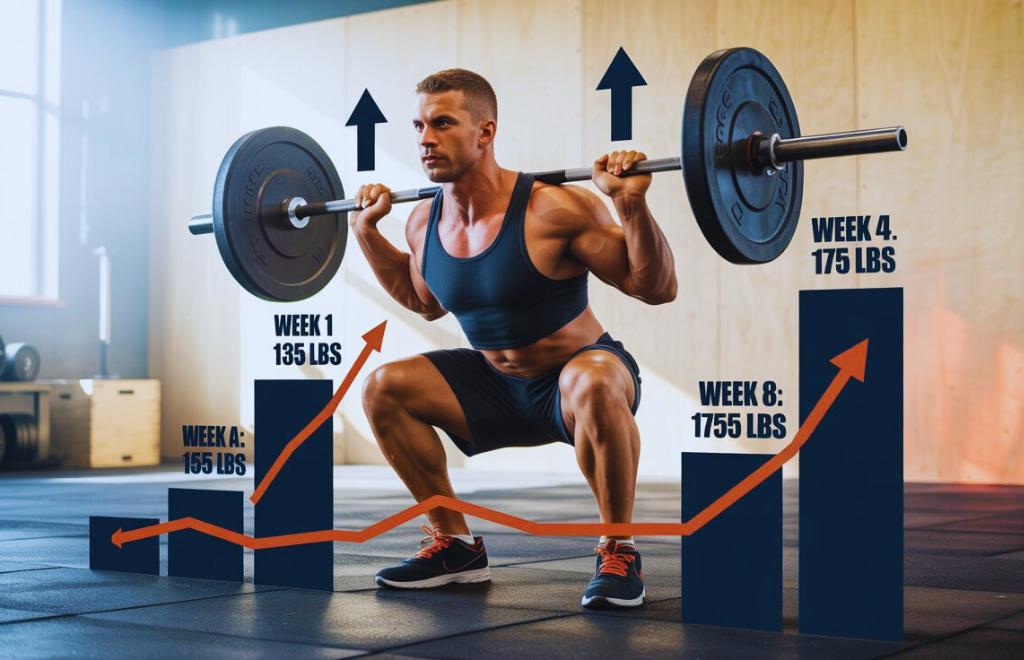
Progressive overload is the backbone of rapid muscle growth. If you’re lifting the same weight week after week, your muscles have no reason to grow. Increase weight, reps, or intensity gradually. Small progress adds up fast—like compound interest for your muscles.
Foundations of Muscle-Building Exercise Routines
Before chasing intensity, nail the basics. A strong foundation keeps injuries away and ensures consistent gains.
Compound vs Isolation Exercises
Compound exercises like squats, deadlifts, and bench presses work multiple muscle groups at once. They trigger higher hormone release and faster growth. Isolation exercises, on the other hand, fine-tune specific muscles. The secret? Combine both for maximum impact.
Importance of Proper Form
Lifting heavy with poor form is like driving fast with bad brakes—dangerous and counterproductive. Proper form ensures muscles do the work, not joints. Slow, controlled movements beat ego lifting every time.
Mind-Muscle Connection Explained
Feeling the muscle work matters. Focusing on the muscle being trained improves activation and growth. It’s not just lifting—it’s intentional lifting.
Power-Packed Exercise Routines Explained
Power-packed routines prioritize efficiency and intensity. They don’t waste time but maximize results.
Full-Body Workout Routines
Full-body workouts hit all major muscle groups in one session. They’re perfect for beginners or busy lifters. Training muscles multiple times per week accelerates muscle growth and recovery.
Upper and Lower Body Splits
Splitting workouts into upper and lower body days allows more volume and focus. Upper days target chest, back, shoulders, and arms. Lower days hammer legs and glutes. This balance fuels rapid muscle growth.
Sample Weekly Workout Split
- Day 1: Upper Body Strength
- Day 2: Lower Body Power
- Day 3: Rest or Active Recovery
- Day 4: Upper Body Hypertrophy
- Day 5: Lower Body Hypertrophy
Top Power Exercises for Rapid Muscle Growth
Squats for Total Body Strength
Squats are the king of muscle-building exercises. They activate quads, glutes, core, and even upper body stabilizers. Heavy squats send a powerful growth signal through your entire body.
Deadlifts for Mass and Power
Deadlifts build raw strength and muscle density. From hamstrings to traps, few exercises deliver more bang for your buck.
Bench Press for Upper Body Growth
The bench press targets chest, shoulders, and triceps. Variations like incline and dumbbell presses keep muscles guessing and growing.
Pull-Ups and Rows for Back Thickness
A wide, thick back creates that powerful V-shape. Pull-ups and rows add depth and strength while improving posture.
Training Intensity and Volume
Intensity without balance leads to burnout. Volume without intensity leads nowhere.
Reps, Sets, and Rest Periods
For rapid muscle growth, aim for 6–12 reps per set with 3–5 sets per exercise. Rest 60–90 seconds to keep muscles under stress while maintaining strength.
Time Under Tension
Slowing down reps increases time under tension, stimulating more muscle fibers. Control the weight—don’t let it control you.
Nutrition to Support Muscle Growth
Exercise routines alone won’t build muscle without proper nutrition.
Protein Intake and Timing
Protein is muscle fuel. Aim for consistent intake throughout the day. Post-workout protein helps kickstart muscle repair and growth.
Carbs, Fats, and Hydration
Carbs fuel workouts. Healthy fats support hormones. Water keeps everything running smoothly. Skip hydration, and performance drops fast.
Recovery: The Hidden Growth Trigger
Muscles grow when you rest, not when you lift.
Sleep and Muscle Repair
Sleep is non-negotiable. Growth hormone spikes during deep sleep, repairing muscle tissue and boosting strength.
Active Recovery and Stretching
Light movement and stretching improve blood flow and reduce soreness. Recovery days are growth days in disguise.
Common Mistakes to Avoid
Overtraining, poor form, skipping rest days, and neglecting nutrition are muscle killers. Stay consistent, not reckless.
Conclusion
Power-packed exercise routines for rapid muscle growth aren’t about shortcuts—they’re about smart intensity. Combine compound lifts, progressive overload, proper nutrition, and recovery, and your body will respond. Train with purpose, fuel with intention, and rest like growth depends on it—because it does.
FAQs
1. How often should I train for rapid muscle growth?
4–5 times per week works best for most people.
2. Can beginners follow power-packed exercise routines?
Yes, with lighter weights and proper guidance.
3. How long before I see muscle growth results?
Visible changes usually appear within 4–8 weeks.
4. Is cardio bad for muscle growth?
Moderate cardio supports recovery but excessive cardio may slow gains.
5. Do supplements help muscle growth?
They help, but real food and training matter more.










Leave a Comment