
Introduction: The Blueprint for a Century of Health
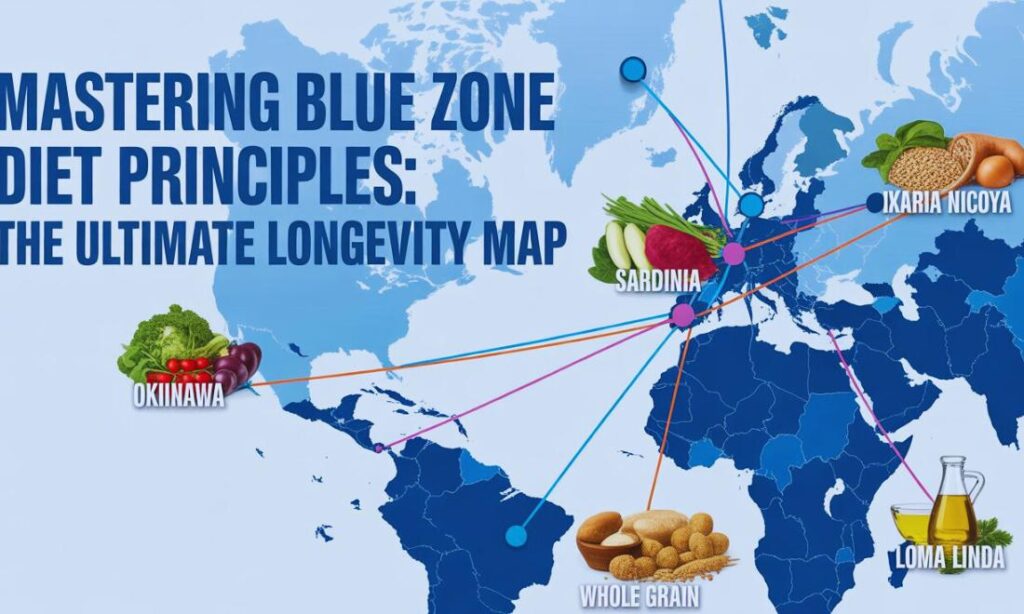
Imagine a world where reaching the age of 100 is not a rare medical miracle, but a common milestone. This reality exists in specific regions across the globe known as “Blue Zones.” From the sun-drenched hills of Sardinia, Italy, to the tropical forests of the Nicoya Peninsula in Costa Rica, and the island of Okinawa in Japan, these areas share a secret. That secret isn’t found in a laboratory or a high-priced supplement—it is found on the dinner plate.
Mastering Blue Zone Diet Principles is about more than just counting calories or avoiding fats. It is a holistic approach to nourishment that synchronizes our biology with the natural world. In these regions, chronic diseases like obesity, diabetes, and heart disease are remarkably rare. By mapping out these dietary habits, we can unlock a “longevity code” that allows us to age with grace, strength, and mental clarity.
The 95% Rule: Prioritizing Plant-Based Foundations
One of the most striking commonalities across all Blue Zones is the heavy reliance on plants. While not strictly vegan, the inhabitants of these regions consume a diet that is roughly 95% plant-based.
When Mastering Blue Zone Diet Principles, the foundation of every meal consists of:
- Leafy Greens: Spinach, kale, and wild greens are packed with vitamins A and C, which act as powerful antioxidants.
- Seasonal Vegetables: Eating what is in season ensures maximum nutrient density and enzyme activity.
- Tubers: In Okinawa, the purple sweet potato (Satsuma-imo) provides a high dose of anthocyanins, which protect the cardiovascular system.
By shifting the focus away from meat-centric dishes, Blue Zone residents reduce their intake of saturated fats and environmental toxins, significantly lowering systemic inflammation.
The Power of the Humble Bean
Whether it’s black beans in Costa Rica, lentils in Greece, or soy in Japan, beans are the cornerstone of the longevity diet.
Consuming at least a half-cup of beans daily is a key factor in Mastering Blue Zone Diet Principles. Beans provide:
- High Fiber: This stabilizes blood sugar and feeds the gut microbiome, which is essential for immune health.
- Lean Protein: Legumes offer a clean source of protein without the inflammatory markers associated with red meat.
- Satiety: The complex carbohydrates in beans keep you full longer, preventing the urge to snack on processed foods.
Hara Hachi Bu: The Art of Mindful Calorie Restriction
In Okinawa, the elders practice a Confucian mantra before meals: Hara Hachi Bu. This translates to “eat until you are 80% full.” This principle is vital for metabolic health.
In the West, we often eat until we are “stuffed,” which puts immense pressure on the digestive system and leads to insulin spikes. Mastering Blue Zone Diet Principles involves listening to your body’s satiety signals.
By stopping before you are completely full, you allow your brain to catch up with your stomach, reducing overall calorie intake without the psychological stress of “dieting.”
Whole Grains and the Sourdough Secret
Unlike the highly processed white breads found in most supermarkets, Blue Zone bread is a nutritional powerhouse. In Ikaria and Sardinia, bread is often made from whole grains like barley or rye, or via a traditional sourdough fermentation process.
Sourdough fermentation uses natural lactobacilli, which “predigest” the starches and lower the glycemic index of the bread. When Mastering Blue Zone Diet Principles, choosing slow-fermented or 100% whole-grain options helps maintain steady energy levels and prevents the chronic inflammation caused by refined sugars.
Rethinking Protein: Meat as a Condiment
In the Blue Zones, meat is not the star of the show; it is a supporting actor. Most centenarians consume meat only about five times per month, usually during celebrations or religious festivals.
When they do eat animal products, they prioritize:
- Small Fish: Sardines and anchovies, which are low in mercury and high in Omega-3 fatty acids.
- Sheep and Goat Dairy: These are easier to digest than cow’s milk and often consumed in fermented forms like yogurt or feta cheese.
- Pasture-Raised Eggs: Eaten sparingly (2–4 times per week) as a side dish rather than a main course.
Liquid Gold: Hydration and Social Beverages
The beverage of choice in every Blue Zone is water. However, Mastering Blue Zone Diet Principles also includes:
- Green and Herbal Teas: Okinawans sip green tea all day, while Ikarians brew “mountain tea” from wild herbs like rosemary and dandelion, which have diuretic and anti-inflammatory properties.
- Black Coffee: In moderation, coffee has been linked to lower rates of Parkinson’s and heart disease.
- Cannonau Wine: Sardinians often enjoy a glass of local red wine with friends. This specific wine has three times the polyphenols of other varieties, supporting arterial health.
The “Power 9” Lifestyle Integration
Diet does not exist in a vacuum. To truly master the map of longevity, one must look at the lifestyle habits that complement the food.
- Move Naturally: Blue Zone residents don’t go to the gym; they live in environments that nudge them into movement. They garden, walk to the market, and do their own housework.
- Downshift: Stress is a silent killer. Whether it’s a nap in Costa Rica or a “happy hour” in Italy, daily rituals to shed stress are non-negotiable.
- Right Tribe: The people you surround yourself with influence your health. In Okinawa, “Moais” are social support groups that stay together for life.
Overcoming Modern Challenges to the Blue Zone Diet
Adopting these principles in a world of fast food and sedentary jobs requires intentionality. Start by making small, sustainable changes:
- The 80/20 Rule: If you can follow these principles 80% of the time, your body will have the resilience to handle the occasional indulgence.
- Meal Prep with Beans: Keep canned or dried beans as a pantry staple to ensure you always have a healthy protein source.
- Kitchen Design: Place a bowl of fruit on the counter and hide the processed snacks in a hard-to-reach cupboard.
Conclusion: Your Journey to a Long Life Starts Today
Mastering Blue Zone Diet Principles is not a short-term fix; it is a lifelong commitment to respecting your biology. By prioritizing plants, embracing legumes, and eating mindfully, you are doing more than just losing weight—you are protecting your DNA and ensuring that your future self is vibrant, active, and sharp.
The “Ultimate Longevity Map” is now in your hands. It is time to take the first step toward your own century of health.
Consultation: Personalized Longevity Planning
Before embarking on a significant dietary shift, it is essential to consider your unique health profile.
- Consult a Nutritionist: If you have existing conditions like IBS or diabetes, the high-fiber nature of the Blue Zone diet may require a gradual transition.
- Check for Deficiencies: A plant-forward diet is excellent, but ensure you are monitoring levels of Vitamin B12 and Vitamin D, especially if you live in northern climates.
- Listen to Your Gut: The transition to more legumes can be a shock to the microbiome. Start with small portions and increase slowly over 3–4 weeks.
FAQs About Blue Zone Diet Principles
Is the Blue Zone diet expensive to maintain?
Actually, it is one of the most cost-effective ways to eat. Beans, lentils, and seasonal vegetables are significantly cheaper than high-quality meats and processed “health” foods.
Can I follow this diet if I am an athlete who needs high protein?
Yes. You can reach high protein targets by combining legumes with whole grains (to form complete proteins) and supplementing with tofu, tempeh, and moderate amounts of fish or eggs.
Do I have to give up alcohol entirely?
No. Most Blue Zones include moderate consumption of local wine. However, the key is “moderation” (1–2 small glasses) and, more importantly, drinking it in a social, relaxed setting with food.
How soon will I see results after switching to these principles?
Most people notice improved digestion and steady energy levels within the first 7–10 days. Weight loss and skin clarity often follow within the first month.
Is this diet suitable for children?
Absolutely. The high fiber, nutrient density, and lack of added sugars make the Blue Zone principles an ideal foundation for growing children, helping them develop healthy habits for life.










Leave a Comment