

Introduction
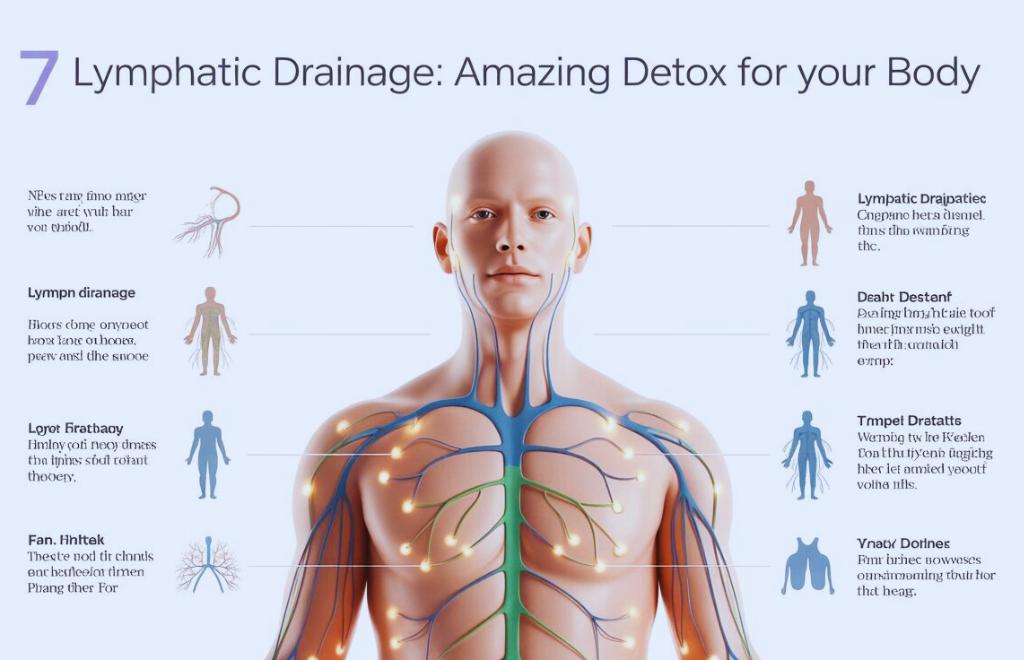
Healthy skin and a vibrant glow often reflect what is happening inside the body. One of the most overlooked systems responsible for detoxification, immune support, and skin clarity is the lymphatic system. When this system functions properly, it removes toxins, supports immunity, and helps maintain healthy circulation. However, when lymph flow becomes sluggish, it may lead to swelling, dull skin, fatigue, and a weakened immune response.
This is where lymphatic drainage becomes incredibly valuable. Lymphatic drainage techniques are gentle practices designed to stimulate lymph flow, remove toxins, reduce fluid retention, and promote healthier skin. Many people use lymphatic drainage for beauty benefits, but its advantages extend far beyond appearance. It can support digestion, reduce inflammation, boost immune function, and improve overall wellness.
Modern lifestyles often limit natural lymph movement. Sitting for long periods, poor hydration, stress, and lack of physical activity can slow lymph circulation. Fortunately, specific methods can reactivate the lymphatic system and restore healthy flow.
In this guide, we will explore seven ultimate lym-phatic drainage techniques that can help detox your body, improve circulation, and enhance your natural glow. These techniques are simple, safe, and highly effective when practiced regularly.
Manual Lymp-hatic Drainage Massage
One of the most effective ways to stimulate the lymphatic system is through manual lymp-hatic drainage massage. This technique uses light, rhythmic movements to encourage lymph fluid to move toward lymph nodes where toxins can be filtered.
Unlike deep tissue massage, lymphatic massage uses very gentle pressure because lymph vessels sit just beneath the skin.
Benefits of Manual Lymp-hatic Drainage
Manual lymphatic drainage can:
- Reduce swelling and fluid retention
- Improve skin clarity and glow
- Support immune system function
- Promote detoxification
- Improve circulation

How the Technique Works
During a lymphatic drainage massage, a therapist uses slow and controlled strokes that follow the natural direction of lymph flow.
Common focus areas include:
- Neck
- Underarms
- Abdomen
- Inner thighs
- Behind the knees
Regular sessions help improve lymph circulation and support overall body detoxification.
Dry Brushing for Natural Detoxification
Dry brushing is one of the simplest and most accessible lymphatic drainage techniques you can perform at home. This method involves brushing the skin with a natural bristle brush before showering.
Benefits of Dry Brushing
Dry brushing offers multiple advantages:
- Stimulates lymph flow
- Removes dead skin cells
- Improves blood circulation
- Supports skin detoxification
- Enhances skin texture
How to Perform Dry Brushing
To practice dry brushing:
- Use a natural bristle brush.
- Begin at the feet and brush upward toward the heart.
- Use gentle strokes on sensitive areas.
- Brush for 5–10 minutes before showering.
Consistent dry brushing helps stimulate lymphatic drainage and promote healthy, glowing skin.
Hydration to Support Lymphatic Flow
Hydration plays a crucial role in maintaining healthy lymphatic drainage. The lymphati
One of the most effective ways to stimulate the lymphatic system is through manual lymphatic drainage massage. This technique uses light, rhythmic movements to encourage lymph fluid to move toward lymph nodes where toxins can be filtered.
Unlike deep tissue massage, lymphatic massage uses very gentle pressure because lymph vessels sit just beneath the skin.
Benefits of Manual Lymphatic Drainage
Manual lymphatic drainage can:
- Reduce swelling and fluid retention
- Improve skin clarity and glow
- Support immune system function
- Promote detoxification
- Improve circulation
How the Technique Works
During a lymphatic drainage massage, a therapist uses slow and controlled strokes that follow the natural direction of lymph flow.
Common focus areas include:
- Neck
- Underarms
- Abdomen
- Inner thighs
- Behind the knees
Regular sessions help improve lymph circulation and support overall body detoxificat
How to Perform Dry Brushing
To practice dry brushing:
- Use a natural bristle brush.
- Begin at the feet and brush upward toward the heart.
- Use gentle strokes on sensitive areas.
- Brush for 5–10 minutes before showering.
Consistent dry brushing helps stimulate lymphatic drainage and promote healthy, glowing skin.
Hydration to Support Lymphatic Flow
Hydration plays a crucial role in maintaining healthy lymphatic drainage. The lymphatic system relies heavily on fluid balance to transport waste products

Benefits of Proper Hydration
Staying well-hydrated offers several benefits for the lymphatic system:
- Helps lymph fluid move smoothly through vessels
- Assists the body in removing toxins and metabolic waste
- Reduces fluid retention and swelling
- Improves skin elasticity and glow
- Supports healthy digestion and metabolism
When the body is dehydrated, lymph fluid becomes thicker and moves more slowly. This can lead to sluggish detoxification and reduced immune efficiency.
How Much Water Supports Lymphatic Drainage
For most adults, drinking 2–3 liters of water daily supports healthy lymph flow. People who exercise frequently or live in hot climates may need slightly more.
To enhance lymphatic drainage through hydration:
- Drink water consistently throughout the day
- Add lemon or cucumber slices for natural detox support
- Consume hydrating foods such as watermelon, oranges, and cucumbers
Hydration works as the foundation that allows other lymphatic drainage techniques to function effectively.
Exercise and Movement to Activate Lymph Flow
Unlike the circulatory system, the lymphatic system does not have a central pump like the heart. Instead, body movement acts as the main driver of lymph circulation.
This means physical activity is one of the most powerful ways to stimulate lymphatic drainage.
Best Exercises for Lymphatic Health
Certain activities are especially effective at promoting lymph flow:
- Walking
- Yoga
- Rebounding (mini trampoline)
- Swimming
- Stretching exercises
These activities gently compress lymph vessels and help push lymph fluid toward lymph nodes for filtration.
Why Gentle Exercise Works Best
High-impact workouts are beneficial for cardiovascular fitness, but gentle rhythmic movement is often more effective for lymphatic stimulation.
For example, rebounding on a mini trampoline allows gravity and motion to stimulate lymph flow throughout the body.
Just 20–30 minutes of daily movement can dramatically improve lymphatic drainage and support detoxification.
Lymphatic Drainage Facial Massage for Skin Glow
Facial lymphatic drainage has become increasingly popular in the beauty world. This technique helps reduce puffiness, improve skin tone, and enhance natural facial contours.
Benefits of Facial Lymphatic Drainage
Facial lymphatic massage can:
- Reduce under-eye puffiness
- Improve skin circulation
- Enhance natural facial glow
- Reduce fluid retention in the face
- Support skin detoxification
Because the face contains numerous lymph nodes, stimulating these areas encourages better fluid movement and toxin removal.
Simple Facial Lymphatic Massage Steps
You can perform facial lymphatic drainage at home using gentle movements:
- Start at the neck to activate lymph flow.
- Massage from the center of the face outward.
- Use upward strokes along the jawline and cheeks.
- Gently massage under the eyes toward the temples.
Using facial oils or serums can help the hands glide smoothly across the skin.
Regular facial lymphatic drainage improves circulation and contributes to a healthy, radiant appearance.
Deep Breathing to Stimulate Lymph Circulation
Breathing plays an important role in supporting lymphatic drainage. The diaphragm acts as a natural pump that helps move lymph fluid throughout the body.
When you breathe deeply, the diaphragm expands and contracts, creating pressure changes that stimulate lymph flow.
Benefits of Deep Breathing
Deep breathing exercises can:
- Improve oxygen delivery to tissues
- Reduce stress and inflammation
- Support detoxification
- Stimulate lymph circulation
How to Practice Deep Breathing
A simple breathing exercise can enhance lymphatic function:
- Sit comfortably with a straight spine.
- Inhale slowly through the nose for four seconds.
- Allow your abdomen to expand.
- Exhale slowly through the mouth.
- Repeat for five to ten minutes.
Practicing deep breathing daily helps stimulate lymphatic drainage while promoting relaxation and mental clarity.
Healthy Nutrition That Supports Lymphatic Detox
Diet plays a major role in maintaining healthy lymphatic drainage. Certain foods help reduce inflammation, support detoxification, and improve lymph circulation.
Foods That Support the Lymphatic System
Including these foods in your diet can improve lymphatic health:
- Leafy greens such as spinach and kale
- Citrus fruits like lemons and oranges
- Garlic and onions
- Berries rich in antioxidants
- Turmeric and ginger
These foods contain vitamins, minerals, and antioxidants that support detoxification and reduce inflammation.
Foods to Limit for Better Lymphatic Health
Some foods may slow lymphatic function when consumed excessively:
- Highly processed foods
- Excess sugar
- Excess salt
- Trans fats
Maintaining a balanced diet helps support natural lymphatic drainage and improves overall health.
Creating a Daily Lymphatic Drainage Routine
Combining multiple techniques produces the best results for improving lymphatic health.
A simple daily routine may include:
Morning
- Drink a glass of warm lemon water
- Perform dry brushing for five minutes
Afternoon
- Engage in 20–30 minutes of walking or yoga
Evening
- Practice deep breathing
- Perform facial lymphatic massage
This routine stimulates lymph flow throughout the day and supports long-term wellness.
Consultation: When to Seek Professional Guidance
Although lymphatic drainage techniques are generally safe, certain individuals should consult a healthcare professional before starting intensive routines.
These include:
- People with heart conditions
- Individuals with kidney disease
- Those with active infections
- Patients recovering from major surgery
Professional lymphatic therapists can also provide specialized manual lymphatic drainage treatments tailored to individual health needs.
Consulting a qualified healthcare provider ensures that lymphatic drainage practices remain safe and effective.
Conclusion
The lymphatic system plays a vital role in detoxification, immune support, and overall health. When lymph circulation becomes sluggish, it can lead to swelling, fatigue, and dull skin. Practicing regular lymphatic drainage techniques helps restore healthy lymph flow and supports the body’s natural cleansing processes.
The seven methods discussed—manual lymphatic massage, dry brushing, proper hydration, exercise, facial lymphatic massage, deep breathing, and supportive nutrition—offer a comprehensive approach to improving lymphatic health.
By incorporating these habits into daily life, you can enhance detoxification, boost immunity, and achieve a natural radiant glow. With consistency and proper care, lymphatic drainage can become a powerful tool for long-term wellness and vibrant health.
FAQs
What is lymphatic drainage and why is it important?
Lymphatic drainage is a technique that stimulates the lymphatic system to remove toxins, reduce swelling, and improve immune function.
How often should lymphatic drainage be performed?
Light techniques such as dry brushing or facial massage can be performed daily, while professional lymphatic massage may be done once or twice per month.
Can lymphatic drainage improve skin appearance?
Yes. Improved lymph flow helps reduce puffiness, remove toxins, and promote clearer, healthier-looking skin.
Is lymphatic drainage safe for everyone?
Most people can safely practice lymphatic drainage, but individuals with certain medical conditions should consult a healthcare professional first.
How long does it take to see results from lymphatic drainage?
Some people notice reduced swelling and improved skin glow after just a few sessions, while long-term benefits develop with consistent practice.










Leave a Comment