
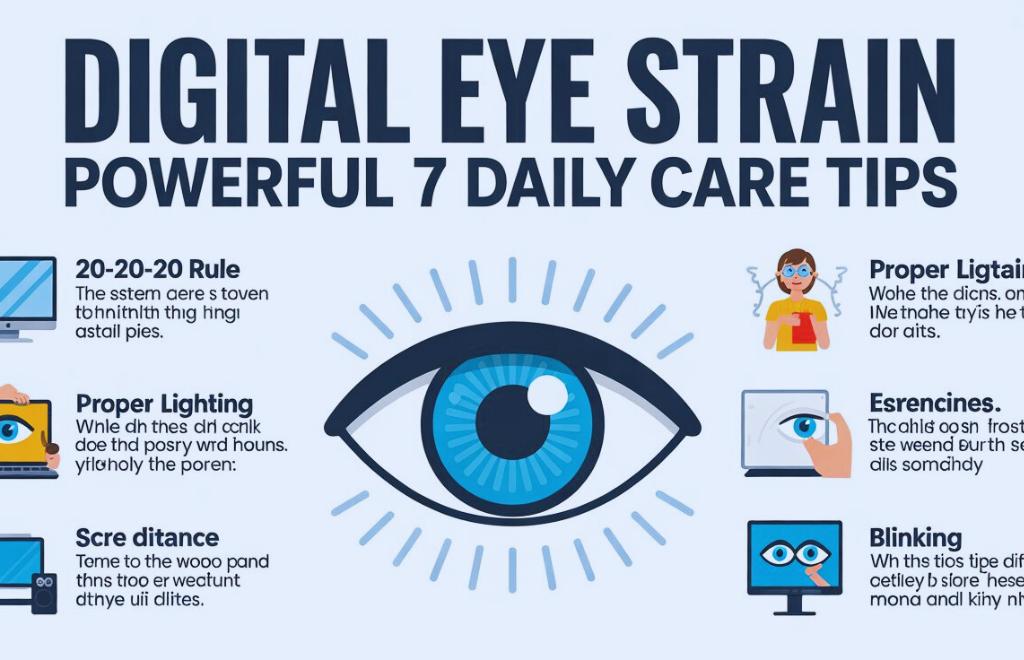
Introduction to Digital Eye Strain
What Is Digital Eye Strain?
Digital eye strain is a modern-day condition that almost everyone experiences but few truly understand. If you’ve ever felt your eyes burning, itching, or becoming blurry after staring at your phone or computer, you’ve already encountered it. In simple terms, it’s a group of eye and vision-related problems that result from prolonged screen use. Whether you’re scrolling social media, studying, gaming, or working online, your eyes are constantly under pressure.
Think about it—your eyes were never designed to stare at bright screens for 6–10 hours a day. Yet, that’s exactly what many of us do. The result? Overworked eye muscles, reduced blinking, and constant exposure to artificial light. Over time, this leads to fatigue and discomfort that can seriously impact your daily life.
Why It’s Becoming a Global Problem
With smartphones, laptops, and tablets becoming essential tools, digital eye strain is no longer just a minor inconvenience—it’s a global health issue. Studies suggest that over 60% of digital device users experience symptoms of eye strain regularly. The rise of remote work, online education, and digital entertainment has only made things worse.
You might think, “It’s just a little discomfort—it’ll go away.” But ignoring it can lead to chronic headaches, reduced productivity, and even long-term vision problems. That’s why understanding and preventing digital eye strain is more important than ever.
Causes of Digital Eye Strain
Prolonged Screen Time
The biggest culprit behind digital eye strain is excessive screen exposure. When you stare at a screen for long periods, your eyes are forced to focus continuously without enough breaks. This constant focusing tires out the eye muscles, much like lifting weights without rest tires your arms.
Another hidden issue is reduced blinking. Normally, we blink about 15–20 times per minute. But when using screens, this drops by nearly half. Less blinking means your eyes don’t get enough moisture, leading to dryness and irritation.
Poor Lighting and Screen Settings
Lighting plays a crucial role in eye comfort. Too much brightness or too little light can strain your eyes. If your screen is brighter than your surroundings, your eyes struggle to adjust. Similarly, glare from windows or overhead lights can make it harder to see clearly.
Improper screen settings—like high contrast, small text, or incorrect color balance—also contribute to strain. These may seem like minor issues, but over time, they significantly affect your eye health.
Symptoms You Should Never Ignore
Physical Eye Symptoms
Digital eye strain doesn’t just affect your vision—it impacts your overall comfort. Common symptoms include:
- Dry or watery eyes
- Blurred or double vision
- Burning or itching sensation
- Redness and irritation
These symptoms may start mild but can worsen if ignored. It’s your body’s way of signaling that something isn’t right.
Mental and Productivity Effects
Eye strain doesn’t stop at physical discomfort. It also affects your focus and mental clarity. Have you ever felt tired or unfocused after long screen sessions? That’s your brain reacting to eye fatigue.
You may experience headaches, difficulty concentrating, and even mood swings. Over time, this reduces productivity and makes everyday tasks feel exhausting.
The Science Behind Eye Fatigue
How Blue Light Affects Vision
Screens emit blue light, a high-energy visible light that penetrates deep into the eye. While some blue light is natural (from the sun), excessive exposure from screens can disrupt your sleep cycle and strain your eyes.
Blue light scatters more easily, making it harder for your eyes to focus. This increases fatigue and discomfort, especially during nighttime screen use.
Eye Muscle Strain Explained
Your eyes rely on tiny muscles to focus on objects. When you look at screens, these muscles stay engaged for long periods without relaxation. Over time, they become fatigued, leading to blurred vision and discomfort.
Think of it like holding a heavy object for too long—eventually, your muscles give up. Your eyes work the same way.
Powerful 7 Daily Eye Care Tips
Follow the 20-20-20 Rule
Every 20 minutes, take a 20-second break and look at something 20 feet away. This simple habit relaxes your eye muscles and reduces strain. It’s easy to remember and incredibly effective.
Adjust Screen Brightness and Contrast
Match your screen brightness to your surroundings. Avoid overly bright screens, especially in dark rooms. Adjust contrast and text size for comfortable reading.
Maintain Proper Distance and Posture
Keep your screen about 20–24 inches away from your eyes. Your screen should be slightly below eye level. Good posture reduces both eye and neck strain.
Blink More Often
Blinking keeps your eyes moist and prevents dryness. Make a conscious effort to blink regularly, especially during long screen sessions.
Use Artificial Tears or Hydration
If your eyes feel dry, consider using lubricating eye drops. Staying hydrated also helps maintain natural eye moisture.
Limit Screen Time Before Sleep
Avoid screens at least one hour before bedtime. Blue light interferes with sleep and increases eye fatigue. Try reading a book instead.
Eat Eye-Friendly Foods
Nutrition plays a big role in eye health. Include foods rich in:
| Nutrient | Benefits | Sources |
|---|---|---|
| Vitamin A | Improves vision | Carrots, spinach |
| Omega-3 | Reduces dryness | Fish, flaxseeds |
| Lutein | Protects retina | Kale, eggs |
Best Devices and Tools for Eye Protection
Blue Light Filters and Glasses
Blue light blocking glasses can reduce strain, especially for heavy screen users. Many devices also offer built-in night mode or blue light filters.
Screen Protectors and Apps
Anti-glare screen protectors and apps that remind you to take breaks can significantly improve eye comfort. These small tools make a big difference.
Consultation and When to See a Doctor
If your symptoms persist despite following these tips, it’s time to consult an eye specialist. Chronic digital eye strain may indicate underlying vision problems.
Regular eye check-ups are essential, especially if you spend long hours on screens. Early detection can prevent serious complications.
Conclusion
Digital eye strain is a silent yet powerful issue in today’s digital world. It creeps into your daily life through screens and slowly affects your comfort, focus, and overall well-being. The good news? It’s completely manageable with simple daily habits.
By following these 7 powerful eye care tips, you can protect your vision and improve your quality of life. Your eyes work hard for you every day—it’s time to return the favor.
FAQs
How long does digital eye strain last?
It usually goes away after rest, but continuous screen use can make it persistent.
Can digital eye strain cause permanent damage?
Not usually, but ignoring it can lead to chronic discomfort and vision issues.
Are blue light glasses really effective?
Yes, they help reduce strain and improve comfort during prolonged screen use.
How often should I take breaks from screens?
Every 20 minutes using the 20-20-20 rule is recommended.
What is the best way to reduce eye strain naturally?
Follow proper lighting, posture, blinking habits, and a healthy diet.










Leave a Comment