
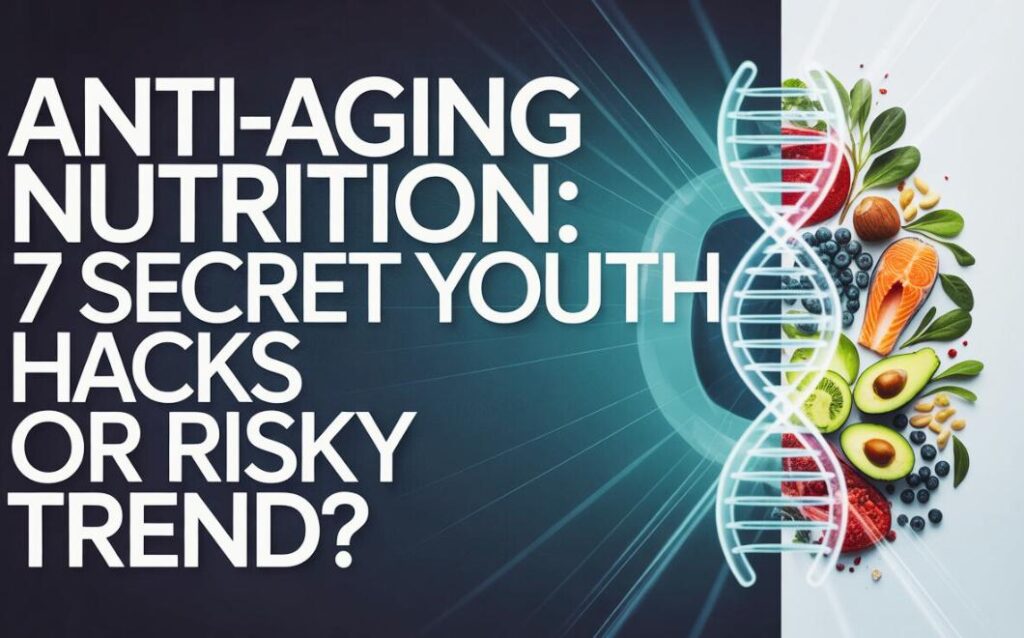
Introduction: The Eternal Quest for Youth Through Nutrition
Aging is something we all feel—sometimes in subtle ways, like waking up with less energy, and sometimes in more visible ways, like fine lines that quietly appear on our skin. But what if the secret to slowing down time wasn’t hidden in expensive creams or treatments, but right on your plate? That’s where anti-aging nutrition comes in—a rapidly growing trend that promises to help you look younger, feel stronger, and live longer.
But here’s the real question: is it truly a secret youth hack, or just another risky trend wrapped in clever marketing?
You’ve probably heard about superfoods, antioxidants, collagen boosters, and miracle diets. Social media is filled with people claiming they reversed aging just by changing what they eat. It sounds exciting, even magical. Yet, there’s also confusion, misinformation, and sometimes unrealistic expectations. Not everything labeled “anti-aging” is safe or effective.
This article dives deep into the science, the hype, and the hidden truths behind anti-aging nutrition. We’ll explore how food impacts your body at a cellular level, uncover 7 powerful nutrition hacks, and also examine the risks you should never ignore. By the end, you’ll not only understand the concept—you’ll feel empowered to make smarter, healthier choices that truly benefit your long-term well-being.
Understanding Aging: What Really Happens Inside Your Body
Aging isn’t just about wrinkles or gray hair—it’s a complex biological process happening deep within your cells. Every second, your body is undergoing millions of chemical reactions. Over time, these processes begin to slow down, and damage starts to accumulate. This is where the concept of cellular aging becomes important.
One of the biggest culprits behind aging is oxidative stress. Imagine your body as a machine constantly exposed to tiny sparks—these sparks are called free radicals. When they build up, they damage your cells, proteins, and DNA. This damage accelerates aging and increases the risk of diseases like heart disease, diabetes, and even cancer.
Another key factor is inflammation. Chronic low-grade inflammation, often caused by poor diet and lifestyle, can silently speed up aging. It affects everything—from your skin elasticity to your brain health. Over time, this inflammation acts like a slow-burning fire inside your body.
Then there’s the issue of collagen loss. Collagen is the protein responsible for keeping your skin firm and youthful. As you age, your body produces less of it, leading to sagging skin and wrinkles. Nutrition plays a major role here, as certain nutrients can either support or damage collagen production.
What Is Anti-Aging Nutrition? A Modern Health Movement
Anti-aging nutrition is more than just a trend—it’s a lifestyle approach focused on eating foods that support longevity and slow down the biological aging process. It’s not about chasing immortality but about improving the quality of your life as you age.
At its core, this approach emphasizes nutrient-dense foods rich in antioxidants, vitamins, minerals, and healthy fats. These nutrients help combat oxidative stress, reduce inflammation, and repair cellular damage. Think of it as giving your body the tools it needs to defend itself against time.
Unlike fad diets that promise quick results, anti-aging nutrition is rooted in long-term health. It encourages balanced eating patterns rather than extreme restrictions. Foods like leafy greens, berries, nuts, fatty fish, and whole grains are often highlighted because of their powerful health benefits.
However, the growing popularity of this concept has also led to confusion. Many products claim to be “anti-aging,” from supplements to drinks, but not all are backed by science. This is where it becomes crucial to separate fact from fiction.
Ultimately, anti-aging nutrition isn’t about magic—it’s about making consistent, smart choices that support your body from the inside out.
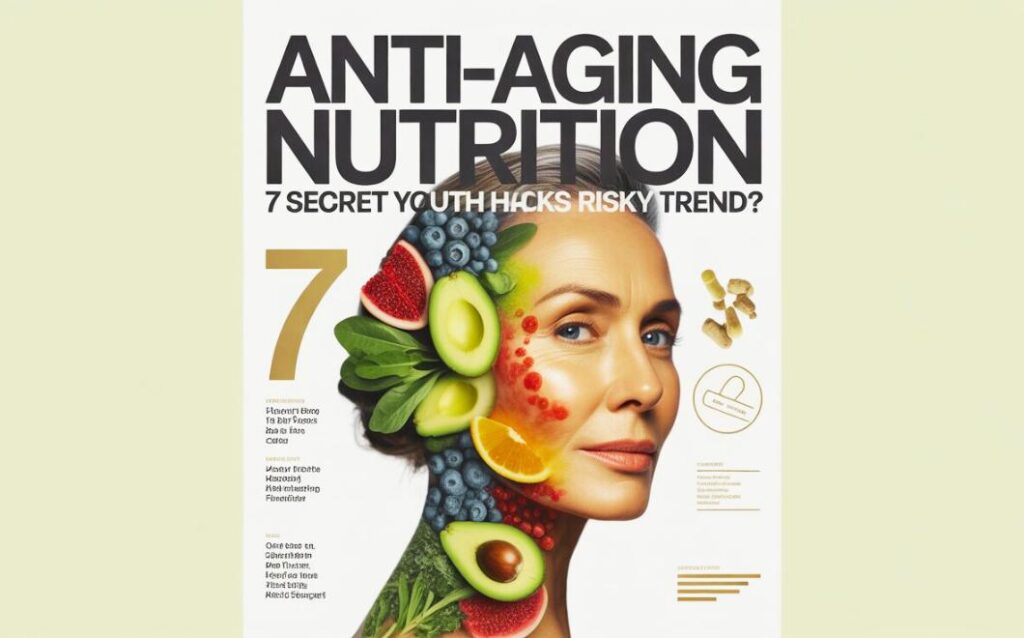
7 Secret Anti-Aging Nutrition Hacks That Actually Work
Antioxidant-Rich Foods: Your First Line of Defense
Antioxidants are like tiny warriors that protect your body from free radical damage. Foods such as blueberries, spinach, and dark chocolate are packed with these powerful compounds. They help neutralize harmful molecules, reducing cellular damage and slowing down the aging process.
Including a variety of colorful fruits and vegetables in your diet ensures you’re getting a wide range of antioxidants. Each color represents different protective compounds, so diversity is key. Over time, this habit can significantly improve your skin health and overall vitality.
Healthy Fats: Nourishing Your Skin and Brain
Not all fats are bad—in fact, some are essential for staying youthful. Omega-3 fatty acids, found in fish like salmon and in walnuts, play a crucial role in maintaining skin elasticity and brain function. They also help reduce inflammation, which is a major contributor to aging.
Healthy fats also support the absorption of fat-soluble vitamins like A, D, E, and K. Without them, your body can’t fully benefit from these nutrients. Including sources like olive oil and avocados in your meals can make a noticeable difference in how your body feels and functions.
Collagen-Boosting Nutrients: Building Youth from Within
Collagen is the backbone of youthful skin, but your body needs the right nutrients to produce it. Vitamin C, zinc, and amino acids are essential for collagen synthesis. Foods like citrus fruits, eggs, and lean meats can help support this process naturally.
Bone broth has also gained popularity as a collagen-rich food. While it’s not a miracle cure, it can be a helpful addition to a balanced diet. Supporting collagen production isn’t about one food—it’s about a combination of nutrients working together.
Hydration: The Simplest Yet Most Overlooked Hack
Water might not sound exciting, but it’s one of the most powerful anti-aging tools you have. Proper hydration keeps your skin plump, supports digestion, and helps flush out toxins from your body.
Dehydration, on the other hand, can make you look tired and older than you are. Drinking enough water throughout the day is a simple habit that delivers noticeable results over time. Herbal teas and water-rich foods like cucumbers can also contribute to your hydration levels.
Protein Intake: Preserving Muscle and Strength
As you age, you naturally lose muscle mass—a condition known as sarcopenia. Adequate protein intake helps slow this process, keeping your body strong and functional. Foods like chicken, fish, beans, and lentils are excellent sources of high-quality protein.
Protein also plays a role in repairing tissues and supporting your immune system. Ensuring you get enough protein daily can help you maintain energy levels and physical performance as you age.
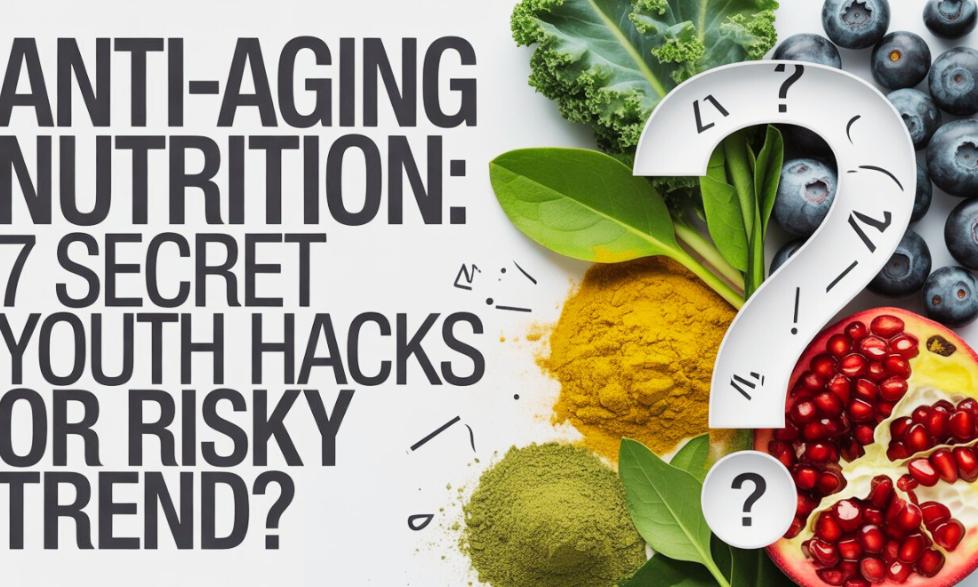
Gut Health: The Hidden Key to Longevity
Your gut is home to trillions of bacteria that influence your health in ways you might not expect. A healthy gut supports digestion, boosts immunity, and even affects your mood. Fermented foods like yogurt, kefir, and kimchi are rich in probiotics that promote a balanced gut microbiome.
Fiber-rich foods, such as whole grains and vegetables, also play a crucial role by feeding beneficial bacteria. A healthy gut can reduce inflammation and improve nutrient absorption, both of which are essential for slowing aging.
Reducing Sugar: Protecting Your Skin and Organs
Excess sugar can accelerate aging through a process called glycation, where sugar molecules damage proteins like collagen. This leads to wrinkles, sagging skin, and other signs of aging.
Cutting back on processed sugars doesn’t mean eliminating sweetness entirely. Natural sources like fruits can satisfy your cravings while providing essential nutrients. Reducing sugar intake is one of the most effective ways to protect your body from premature aging.
Is Anti-Aging Nutrition a Risky Trend? The Hidden Dangers
While the benefits of anti-aging nutrition are real, it’s important to approach this trend with caution. Not everything labeled as “anti-aging” is safe or effective. In fact, some practices can do more harm than good.
One major risk is over-reliance on supplements. Many people turn to pills and powders instead of focusing on whole foods. While supplements can be helpful in certain cases, excessive use can lead to imbalances and even toxicity.
Another concern is extreme dieting. Some anti-aging diets promote severe calorie restriction or eliminate entire food groups. This can lead to nutrient deficiencies, कमजोरी, and long-term health issues.
There’s also the psychological impact. The obsession with staying young can create unrealistic expectations and stress. Aging is a natural process, and trying to completely stop it can lead to disappointment and anxiety.
Understanding these risks helps you make more balanced decisions. Anti-aging nutrition should support your health—not compromise it.
Comparison Table: Healthy Approach vs Risky Trend
| Aspect | Healthy Anti-Aging Nutrition | Risky Trend Approach |
|---|---|---|
| Focus | Whole foods | Supplements & quick fixes |
| Balance | Nutrient-rich meals | Extreme restrictions |
| Sustainability | Long-term habits | Short-term results |
| Health Impact | Supports overall wellness | Can cause deficiencies |
| Mindset | Healthy aging | Fear of aging |
Consultation: When Should You Seek Expert Advice?
If you’re considering making significant changes to your diet, it’s always wise to consult a healthcare professional or a registered dietitian. Everyone’s body is different, and what works for one person may not work for another.
A professional can help you identify your specific nutritional needs, especially if you have existing health conditions. They can also guide you in choosing the right balance of nutrients without falling into the trap of extreme diets or unnecessary supplements.
Listening to your body is important, but expert guidance ensures you’re making informed decisions. Combining knowledge with professional advice creates a powerful foundation for long-term health.
Conclusion: Youth Isn’t a Trick—It’s a Lifestyle
The idea of turning back time is undeniably appealing. But the truth is, there’s no single food or magic formula that can stop aging completely. What anti-aging nutrition offers is something far more valuable—a way to age gracefully, with strength, energy, and confidence.
By focusing on balanced eating, nourishing your body, and avoiding harmful habits, you can significantly improve your quality of life. It’s not about looking 20 forever—it’s about feeling your best at every stage of life.
So, is it a secret youth hack or a risky trend? The answer lies in how you approach it. When done wisely, it becomes a powerful tool for health and longevity. When misunderstood, it can turn into just another misleading trend.
Your journey to better health starts with one simple choice: what you put on your plate today.
FAQs
What is the best anti-aging food?
There isn’t a single “best” food, but berries, leafy greens, and fatty fish are among the most powerful due to their high nutrient content.
Can diet really slow down aging?
Yes, a healthy diet can reduce oxidative stress and inflammation, both of which contribute to aging.
Are anti-aging supplements necessary?
Not always. Most nutrients can be obtained from a balanced diet. Supplements should only be used when needed.
How much water should I drink daily for anti-aging?
It varies, but generally 2–3 liters per day is recommended depending on your body and activity level.
Is sugar the main cause of aging?
Sugar is a major contributor but not the only one. Lifestyle factors like stress, sleep, and exercise also play important roles.









Leave a Comment