
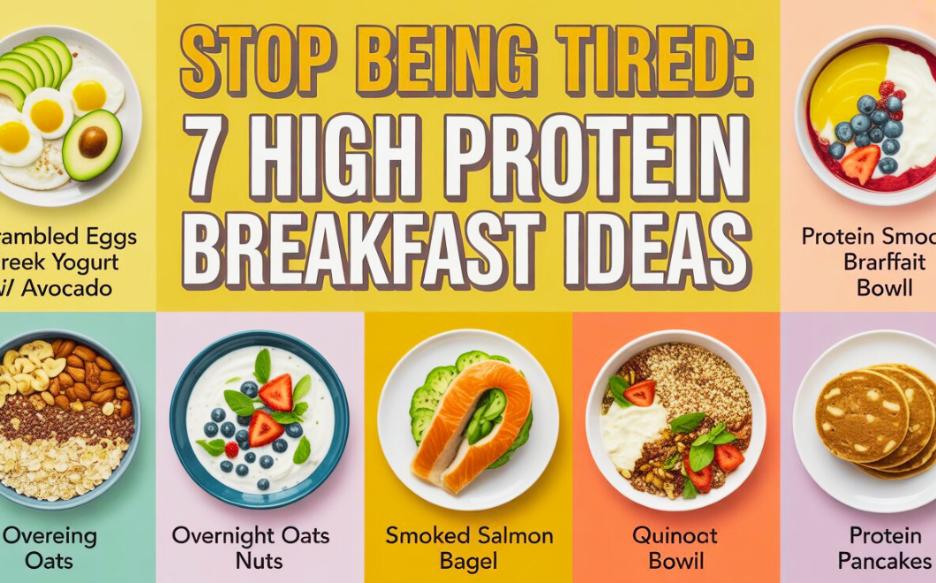
Introduction: Why You Wake Up Tired (And How Breakfast Fixes It)
You wake up, drag yourself out of bed, and already feel exhausted. Sound familiar? You’re not alone. Many people blame lack of sleep, but here’s a hidden truth: your breakfast might be the real problem. If your morning meal is packed with sugar and low in protein, your energy crashes before noon—and you end up stuck in a cycle of fatigue.
Science backs this up. Research shows that a high-protein breakfast can reduce hunger, stabilize blood sugar, and even help you consume up to 135 fewer calories later in the day . That means more energy, better focus, and fewer cravings. Protein also supports brain function by boosting neurotransmitters like dopamine, helping you stay sharp throughout the day .
So if you’re tired of being tired, it’s time to rethink your mornings. This guide will walk you through 7 powerful high protein breakfast ideas that can transform your energy, mood, and productivity.
The Science Behind High Protein Breakfast
How Protein Boosts Energy
Think of protein as your body’s long-lasting fuel. Unlike sugary cereals or white bread, protein digests slowly, providing a steady release of energy instead of a quick spike and crash. This is why you feel energized longer after eating eggs or yogurt compared to pastries.
Protein also influences hormones. It lowers ghrelin (the hunger hormone) and increases fullness hormones like PYY and GLP-1 . The result? You feel satisfied, focused, and less likely to snack unnecessarily.
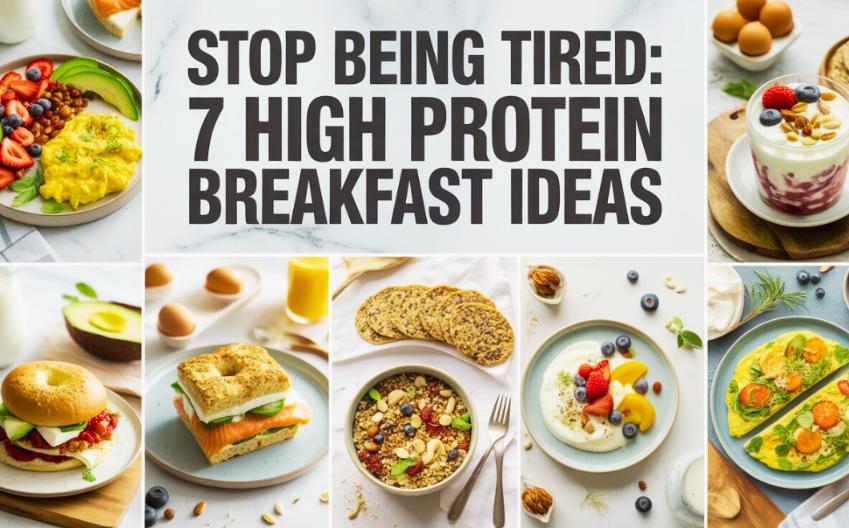
Even more interesting—your body burns more calories digesting protein than carbs. This thermic effect can increase daily calorie burn by 80–100 calories . That’s like a mini workout just from eating smarter.
Protein vs Carbs in the Morning
Let’s be real—most traditional breakfasts are carb-heavy: bread, biscuits, sugary tea. These foods spike your blood sugar quickly, followed by a crash that leaves you tired and hungry again.
Protein, on the other hand, stabilizes blood sugar levels. Studies show it prevents energy crashes and improves focus throughout the day . So instead of feeling sleepy by mid-morning, you stay alert and productive.
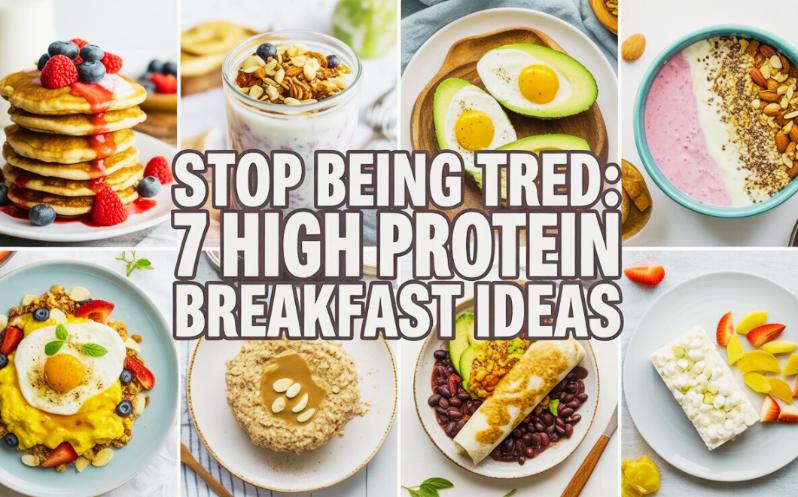
How Much Protein Do You Really Need?
Experts recommend around 20–30 grams of protein per meal for optimal health . That’s enough to support muscle growth, energy levels, and satiety.
Here’s a simple breakdown:
| Food | Protein |
|---|---|
| 2 eggs | 12g |
| Greek yogurt (1 cup) | 20g |
| Peanut butter (2 tbsp) | 8g |
| Oats (1 cup) | 6g |
Combining foods is key. A balanced breakfast can easily hit 25–30 grams without feeling heavy.
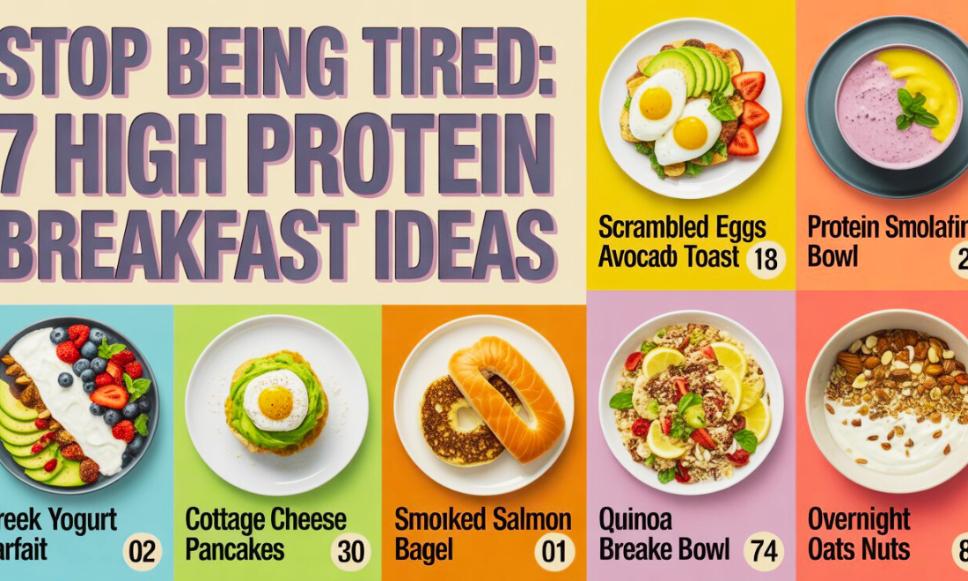
7 High Protein Breakfast Ideas
Egg & Avocado Power Plate
This is the ultimate energy breakfast. Eggs are a complete protein, meaning they contain all essential amino acids. Pair them with avocado, and you get healthy fats that keep you full for hours.
Imagine starting your day with fluffy scrambled eggs, creamy avocado slices, and a sprinkle of salt and pepper. It’s simple, delicious, and incredibly satisfying.
This meal fuels your brain, supports muscle repair, and keeps cravings away. Plus, it’s quick to prepare—even on busy mornings.
Greek Yogurt Protein Bow to7 High Protein Breakfast Ideas
If you prefer something light yet filling, this is your go-to option. Greek yogurt is packed with protein—around 20 grams per serving—and contains probiotics for gut health.
Add fruits, nuts, and seeds, and suddenly you’ve created a powerhouse breakfast. The sweetness from fruits satisfies cravings, while nuts add crunch and extra protein.
This bowl is perfect for people who want something refreshing but energizing. It’s like dessert—but healthy.
Protein Smoothie Blast
Busy mornings? No problem. A protein smoothie is your best friend. Blend milk, banana, peanut butter, and protein powder for a quick, nutrient-dense drink.
Smoothies are incredibly versatile. You can customize them with oats, seeds, or even spinach. Despite being liquid, they’re surprisingly filling and provide steady energy.
This is ideal for students, professionals, or anyone rushing out the door but still wanting a powerful start.
Cottage Cheese & Fruit Combo
Cottage cheese is underrated. It contains about 25 grams of protein per cup, making it one of the best breakfast choices.
Pair it with fruits like apples or berries, and you get a perfect balance of protein and natural sugars. This combination keeps you full and energized without feeling heavy.
It’s simple, affordable, and highly effective.
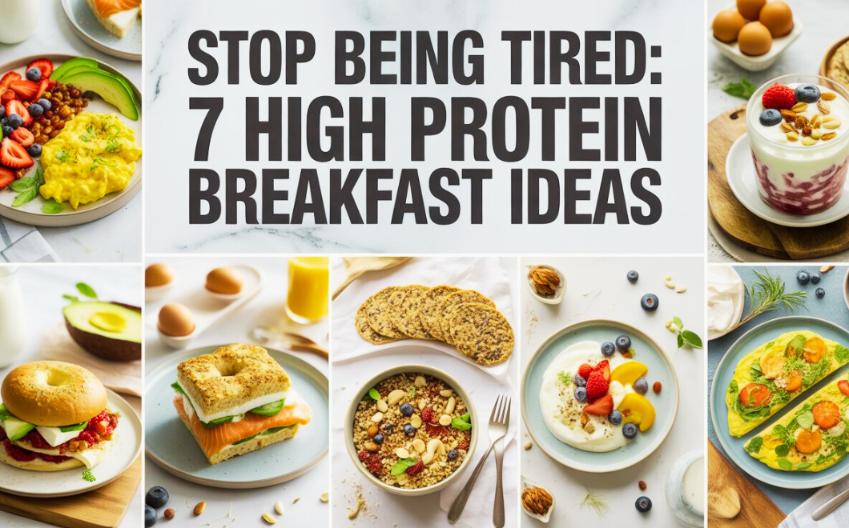
Oats with Protein Boost
Oats alone are healthy—but low in protein. The trick? Add protein-rich ingredients like milk, nuts, or protein powder.
This transforms ordinary oats into a powerful breakfast. You get fiber, protein, and slow-releasing carbs—all in one bowl.
It’s warm, comforting, and perfect for starting your day strong.
Tofu Scramble (Vegan Option)
For those avoiding animal products, tofu is a fantastic protein source. A tofu scramble mimics scrambled eggs but is entirely plant-based.
Season it with spices, add vegetables, and you’ve got a colorful, nutritious breakfast. It’s rich in protein, low in fat, and easy to cook.
This option proves you don’t need meat to stay energized.
Peanut Butter Protein Toast
Simple yet powerful. Whole-grain toast with peanut butter delivers a mix of protein, fiber, and healthy fats.
Add banana slices or chia seeds for extra nutrition. It’s quick, tasty, and perfect for busy mornings.
Sometimes, the simplest meals are the most effective.
Comparison Table of High Protein Breakfast
| Breakfast | Protein | Best For |
|---|---|---|
| Eggs & Avocado | 20–25g | Energy & fullness |
| Greek Yogurt Bowl | 20g | Gut health |
| Smoothie | 25–30g | Busy lifestyle |
| Cottage Cheese | 25g | Weight loss |
| Oats + Protein | 20g | Comfort food |
| Tofu Scramble | 20g | Vegan diet |
| Peanut Butter Toast | 15–20g | Quick meal |
Common Mistakes to Avoid
Many people try high-protein breakfasts but still feel tired. Why? Because of simple mistakes.
First, relying only on protein powders without whole foods can leave you lacking nutrients. Second, skipping fiber leads to digestion issues. Third, overeating protein without balance can feel heavy.
The key is balance—protein + fiber + healthy fats.
Consultation: Who Should Follow a High Protein Breakfast?
Not everyone has the same nutritional needs, but a high-protein breakfast works for most people. If you’re constantly tired, struggling with weight, or experiencing brain fog, this approach can be a game-changer.
Students benefit from improved concentration and memory. Professionals experience better productivity and fewer energy crashes. Even older adults can maintain muscle mass and strength with higher protein intake .
However, people with kidney conditions or specific medical issues should consult a doctor before increasing protein intake.
Consultation: Personalizing Your Nutrition
Before overhauling your diet, it is vital to consider your unique metabolic blueprint. While high protein breakfast ideas are generally beneficial, individuals with pre-existing kidney conditions or specific digestive disorders should proceed with caution.
A consultation with a registered dietitian or a functional medicine practitioner can help you determine the exact protein-to-fat ratio your body needs. Factors such as your body weight, activity level, and age dictate your specific requirements. Always listen to your body’s biofeedback; if a specific meal makes you feel sluggish rather than energized, adjust your sources. True health is a personalized journey, and your breakfast is the first step in that daily process.
Conclusion
Transitioning to high protein breakfast ideas is more than just a diet trend; it is a fundamental shift in how you manage your biology. By prioritizing amino acids over simple sugars, you stabilize your mood, protect your metabolism, and reclaim your morning. Stop settling for mid-day exhaustion—start fueling for the life you want to lead.
FAQs TO High Protein Breakfast
1. Can a high protein breakfast help with weight loss?
Yes. It reduces hunger and calorie intake later in the day, making weight management easier.
2. How much protein should I eat in the morning?
Around 20–30 grams is ideal for most people.
3. Are protein shakes good for breakfast?
Yes, especially for busy mornings, but combine them with whole foods when possible.
4. Is a high protein breakfast safe every day?
For most people, yes. But those with medical conditions should consult a doctor.
5. Can vegetarians get enough protein in breakfast?
Absolutely. Options like tofu, yogurt, nuts, and seeds provide plenty of protein.










Leave a Comment