

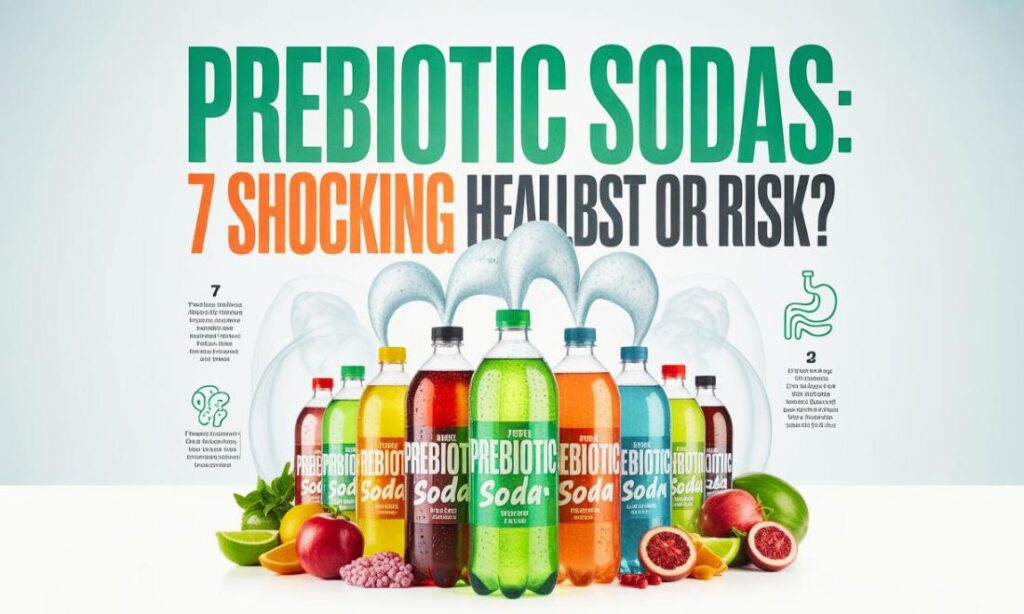
Prebiotic sodas have rapidly evolved from a niche health-food store curiosity into a mainstream beverage phenomenon, promising the nostalgic joy of a fizzy drink without the metabolic wreckage of traditional soda. As consumers become increasingly obsessed with the “gut-brain axis,” these functional beverages claim to bridge the gap between indulgence and wellness.
However, as with any high-growth wellness trend, the line between a genuine health boost and a clever marketing risk is often blurred. This comprehensive guide explores whether prebiotic sodas are the ultimate gut-health hack or just another “health-washed” processed product.
The Fiber Revolution: Is it Truly Functional?
The primary selling point of prebiotic sodas is their high fiber content, usually derived from Jerusalem artichoke, chicory root (inulin), or agave fiber. Unlike traditional sodas, which offer empty calories, a single can of these functional drinks can provide 5g to 9g of dietary fiber.
For most individuals, increasing fiber intake is a massive health boost. Fiber acts as a fuel source for the beneficial bacteria in your microbiome. However, the “shocking risk” lies in the type of fiber used. Inulin, a common ingredient in prebiotic sodas, is a fermentable oligosaccharide.
If you have a sensitive digestive system or conditions like SIBO (Small Intestinal Bacterial Overgrowth), this sudden influx of fiber can lead to severe bloating, gas, and abdominal distress.
Sugar Alcohols and the Insulin Response
While prebiotic sodas are celebrated for having low total sugar—often just 2g to 5g compared to the 39g found in a standard cola—they rely heavily on alternative sweeteners. Stevia, monk fruit, and erythritol are the usual suspects.
While these don’t spike blood glucose in the short term, some studies suggest that frequent consumption of non-nutritive sweeteners can confuse the body’s cephalic phase insulin response. If you are drinking prebiotic sodas to manage your weight, be aware that the brain may still register a “sweet” signal, potentially triggering cravings for real sugar later in the day.

The Gut Microbiome: Diversity vs. Monoculture
A healthy gut thrives on a diverse range of plant fibers. The risk with relying on prebiotic sodas for your gut health is that they often provide only one or two specific types of fiber (like agave inulin).
While these help feed certain strains of bacteria, they cannot replace the complex matrix of fibers found in whole vegetables, fruits, and legumes. For a true health boost, prebiotic sodas should be viewed as a supplement to a high-fiber diet, not a replacement for it. Over-reliance on a single fiber source can lead to an imbalance in the delicate ecosystem of your microbiome.
Dental Health: The Acidic Truth
Even without the sugar, prebiotic sodas are still carbonated. Carbonation involves dissolving carbon dioxide in liquid, which creates carbonic acid. Furthermore, many brands add citric acid or apple cider vinegar to enhance the flavor profile.
This acidity can erode tooth enamel over time. While prebiotic sodas are significantly better for your teeth than sugary sodas (which provide fuel for cavity-causing bacteria), they are not as “neutral” as plain water. To mitigate this risk, it is recommended to drink these beverages through a straw or rinse your mouth with water afterward to protect your enamel.
The Apple Cider Vinegar (ACV) Factor
Many leading brands of prebiotic sodas incorporate apple cider vinegar as a core ingredient. ACV is well-documented for its ability to improve insulin sensitivity and support digestion.
This is a genuine health boost, as it helps flatten the glucose curve after a meal. However, the “shocking” part is the concentration. A can of soda usually contains a diluted amount of ACV. While helpful, it may not be a clinical dose. If you are drinking prebiotic sodas specifically for the benefits of ACV, ensure you are not using them as an excuse to consume high-carb meals that the vinegar cannot fully “buffer.”
Satiety and Weight Management
One of the most profound benefits of switching to prebiotic sodas is the impact on satiety. Fiber and carbonation combined can make you feel fuller for longer. This can be a powerful tool for weight management, as it replaces a high-calorie habit with a functional one.
The risk here is “health-halo” eating. Sometimes, when we choose a “healthy” drink like prebiotic sodas, we subconsciously give ourselves permission to eat more calories elsewhere. To maximize the boost, ensure the soda is replacing a less healthy habit rather than just being added on top of an already high-calorie diet.
The Processing Paradox
Are prebiotic sodas truly “natural”? While the ingredients are often plant-based, these are still highly processed beverages. They undergo pasteurization and shelf-stabilization, which can sometimes degrade certain delicate compounds.
When you compare prebiotic sodas to a homemade fermented drink like kefir or raw kombucha, the soda often lacks the live “probiotics” (live bacteria) and instead only offers “prebiotics” (the food for bacteria). Understanding this distinction is key to managing your expectations for gut healing.
Consultation: How to Safely Integrate Functional Fizz
If you are considering making prebiotic sodas a daily habit, a personalized approach is necessary.
Professional Recommendations:
- The “Slow Start” Rule: If you are not used to high fiber, start with half a can. Jumping into 9g of inulin can cause significant digestive “shock.”
- Check the Label: Avoid brands that use “natural flavors” excessively without disclosing the source.
- Hydrate with Water: For every can of soda, drink two glasses of plain water. Prebiotic fiber needs water to move through the digestive tract effectively.
- Timing Matters: Drink your prebiotic sodas with a meal to aid digestion, rather than on an empty stomach which may cause more gas.

Frequently Asked Questions (FAQ)
Are prebiotic sodas better for you than Diet Soda?
Generally, yes. While diet sodas use synthetic chemicals like aspartame, prebiotic sodas use plant-based sweeteners and provide actual nutritional value in the form of fiber.
Can I drink prebiotic sodas while fasting?
Technically, most prebiotic sodas contain 20-50 calories and 2g+ of sugar, which will break a “clean” fast. If you are fasting for metabolic health, it is best to stick to black coffee or water.
Do these sodas help with constipation?
Because of the high fiber content (especially chicory root), prebiotic sodas can help stimulate bowel movements for many people. However, you must drink plenty of water alongside them.
Can children drink prebiotic sodas?
Yes, they are a much better alternative to sugary sodas. However, because children’s digestive systems are smaller, the high fiber content may cause more immediate gas or bloating.
Will prebiotic sodas fix my bloating?
It’s a paradox. For some, they improve gut health and reduce bloating over time. For others—especially those with FODMAP sensitivities—prebiotic sodas can actually cause temporary bloating.








Leave a Comment