
Want to become stronger, fitter, and more energized—but without feeling stuck in a boring workout routine? Dynamic exercise might be your new best friend. These strategies blend strength, speed, flexibility, and coordination into one powerful approach that helps you transform your body and boost overall fitness.
Dynamic workouts are flexible, adaptable, and perfect for anyone who wants more variety and results. Whether you’re a beginner or a seasoned fitness lover, adding dynamic movements makes training more effective and more enjoyable.
Let’s break down how you can use dynamic exercise to build a stronger, fitter you.
Understanding Dynamic Exercise
What Makes Exercise “Dynamic”?
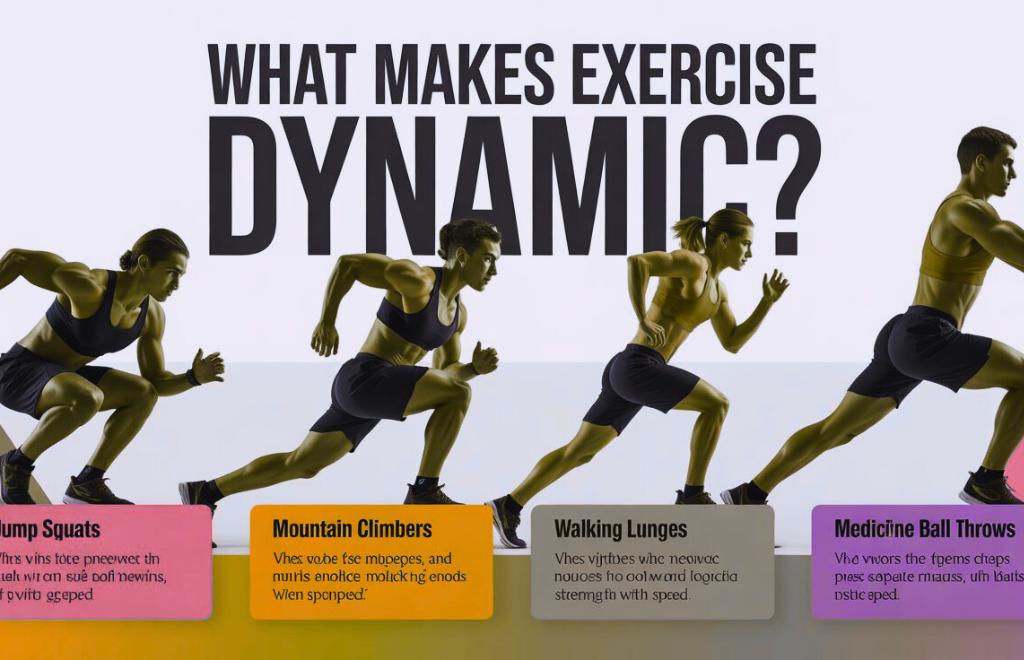
Dynamic exercises involve continuous movement, multiple muscle groups, and a blend of strength plus speed. Unlike isolated exercises (like a basic bicep curl), dynamic moves recruit the entire body.
Examples include:
- Jump squats
- Mountain climbers
- Walking lunges
- Medicine ball throws
These movements improve power, agility, and overall athletic performance.
Benefits of Dynamic Workouts
Dynamic exercise delivers a full spectrum of fitness improvements, such as:
- Increased strength
- Better cardiovascular health
- Higher calorie burn
- Improved flexibility and mobility
- Better coordination and balance
- Boosted metabolism even after workouts
In short: dynamic exercise turns your body into a calorie-burning, powerhouse machine.
Key Components of a Dynamic Fitness Routine
Strength Training
Strength is the foundation of a fitter body. Dynamic strength training includes movements like kettlebell swings, push-ups, burpees, and medicine ball slams.
Cardio Conditioning
Cardio keeps your heart strong and helps burn fat faster. Dynamic cardio includes:
- High knees
- Jump rope
- Sprint intervals
Mobility and Flexibility Work
Dynamic stretches warm up your muscles, increase range of motion, and prevent injuries. Think leg swings, arm circles, and torso twists.
Balance and Stability Training
A strong core improves posture and movement quality. Add exercises like:
- Single-leg deadlifts
- Planks with shoulder taps
- Bosu ball training
How to Customize Your Dynamic Workout Plan
Setting Realistic Fitness Goals
Start by defining what you want:
- Build muscle?
- Lose fat?
- Improve stamina?
- Boost athletic ability?
Your goals determine your workout intensity and structure.
Choosing the Right Mix of Exercises
A balanced dynamic workout includes:
- 40% strength
- 30% cardio
- 20% mobility
- 10% balance training
This mix ensures full-body results.
How Much Time You Really Need
You don’t need hours. Even 20–30 minutes of dynamic training can transform your fitness if done consistently.
Popular Dynamic Training Methods
HIIT (High-Intensity Interval Training)
Short bursts of intense movement followed by rest. Great for burning fat fast.
Circuit Training
A series of exercises performed back-to-back with minimal rest. Perfect for full-body conditioning.
Functional Fitness
Movements that mimic real-life activities—lifting, twisting, pushing—improving daily strength.
Plyometrics
Explosive, jumping-based exercises that build power. Examples include box jumps and clap push-ups.
Sample Dynamic Exercise Routine

Beginner Routine
- Warm-up: 3 minutes dynamic stretching
- Bodyweight squats – 12 reps
- Marching in place – 1 minute
- Incline push-ups – 10 reps
- Standing lunges – 10 reps per leg
- Plank – 20 seconds
Repeat 2 times.
Intermediate Routine
- Warm-up: 5 minutes
- Jump squats – 15 reps
- Mountain climbers – 30 seconds
- Push-ups – 12 reps
- Walking lunges – 12 per leg
- Burpees – 10 reps
- Side plank – 30 seconds per side
Repeat 3 rounds.
Advanced Routine
- Warm-up: 5 minutes
- Box jumps – 12 reps
- Kettlebell swings – 20 reps
- Push-up to knee tuck – 15 reps
- Sprint in place – 45 seconds
- Bulgarian split squats – 12 per leg
- Plank with shoulder taps – 40 seconds
Repeat 4 rounds.
Tips to Stay Consistent and Motivated
Track Your Progress
Use apps, journals, or simple checklists. Seeing progress keeps you motivated.
Make Workouts Fun
Add music, vary routines, or invite a workout buddy.
Avoid Common Mistakes
- Skipping warm-ups
- Overtraining
- Using poor form
- Not resting enough
Nutrition Tips to Support Your Dynamic Training

Pre-Workout Fuel
Eat something light:
- Banana
- Oats
- Greek yogurt
Post-Workout Recovery
Rebuild muscles with protein:
- Chicken
- Eggs
- Protein shakes
- Fruits and whole grains
Hydrate throughout the day to maintain performance.
Safety Precautions
- Always warm up before high-intensity moves
- Modify exercises if you feel pain
- Progress gradually
- Listen to your body
- Consult a trainer if you’re unsure about form
Conclusion
Dynamic exercise strategies are powerful tools for building a stronger, fitter, and more energized version of yourself. With varied movements, flexible workouts, and full-body engagement, dynamic training keeps fitness exciting and effective. Whether you’re just starting or ready to push your limits, using dynamic workouts can help you reach your goals faster—and enjoy the journey more.
FAQs
1. Are dynamic workouts suitable for beginners?
Absolutely! Beginners can start with low-impact movements and gradually increase intensity.
2. How often should I do dynamic training?
Aim for 3–5 days per week, depending on your fitness level.
3. Can dynamic exercises help with weight loss?
Yes! They burn calories quickly and boost metabolism.
4. Do I need equipment for dynamic workouts?
Not always. Many dynamic exercises use only your body weight.
5. How long until I see results?
Most people notice changes in 3–6 weeks with consistency.










3 Comments
“It is an excellent low-impact cardio exercise, especially for people with joint pain or mobility limitations, as it improves heart health without putting stress on the joints.”
It is an excellent low-impact cardio exercise, especially for people with joint pain or limited mobility.