

Incorporating kettle-bell exercises into your fitness routine can be a game-changer, offering a unique blend of strength, endurance, and functional training. This guide will equip you with the essential techniques and knowledge to master kettle-bell workouts, transforming your approach to fitness. Whether you’re new to kettlebells or looking to refine your skills, get ready to elevate your workout and achieve remarkable results.
Essential Preparation for Kettle-bell Exercises
Choosing the right kettle-bell weight and type
When embarking on your kettle-bell journey, selecting the right weight and type is crucial for your success and safety. Begin by considering your current strength level and experience with kettle-bell core exercises.
As a general guide, women often start with an 8-12 kg kettle-bell, while men might begin with a 12-16 kg one. However, it’s essential to listen to your body and choose a weight that challenges you without causing strain. Different kettle-bell types, such as competition and cast iron kettle-bells, offer unique benefits.
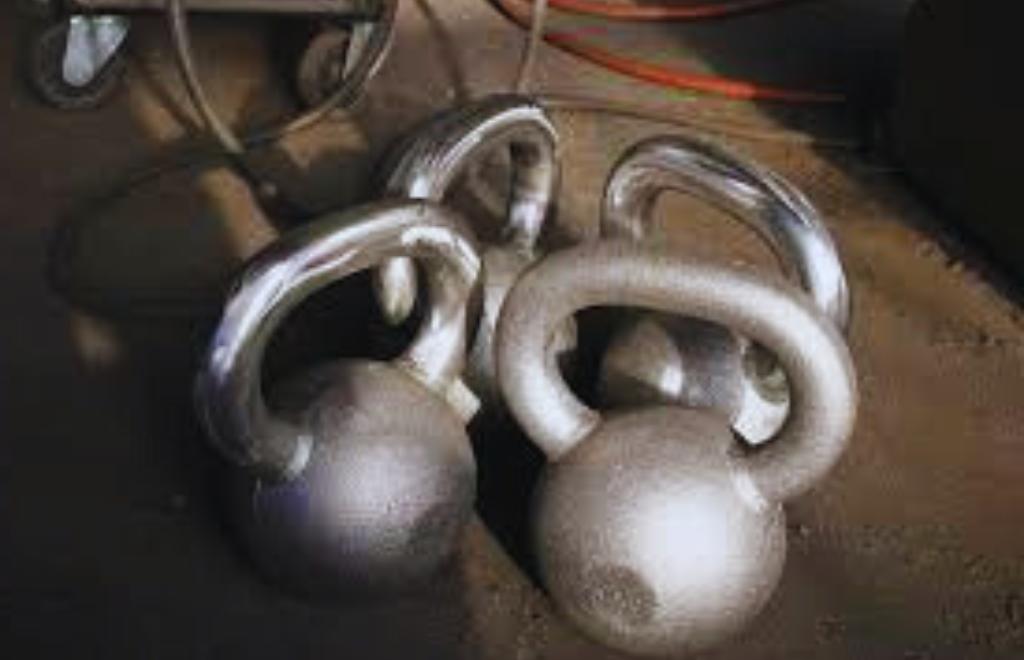
Competition kettle-bells are uniform in size regardless of weight, promoting consistent technique, while cast iron kettle-bells are more compact and affordable.
As you integrate kettle-bell strength training into your routine, remember to periodically reassess your choice to match your growing capabilities. What weight will you start with to redefine your fitness journey today?
Required clothing and safe workout space
Equipping yourself with the right attire and creating a safe workout environment can significantly enhance your kettle-bell workout experience. Opt for breathable, moisture-wicking clothing that allows full range of motion to perform best kettle-bell exercises comfortably.
Supportive footwear is key to maintaining balance and preventing slips. Ensure your workout area is spacious, free from obstacles, and has a non-slip surface to prevent accidents. Adequate space is vital for dynamic movements, so consider outdoor or converted indoor spaces.
Mirrors can also be beneficial for checking form during kettle-bell workout plans. Prioritizing these elements will not only boost your performance but also reduce injury risk. Are you ready to transform your workout space into a haven of strength and safety?
Warm-up routines to prevent injury
A thorough warm-up routine is essential to prepare your body for the intensity of kettle-bell exercises and prevent injury. Begin with five to ten minutes of light cardio, such as jogging or jumping jacks, to elevate your heart rate and increase blood flow to your muscles.
Follow this with dynamic stretches that target key areas involved in kettle-bell workouts, including your shoulders, hips, and hamstrings. Incorporating exercises like arm circles, leg swings, and torso twists will enhance flexibility and mobility. Lastly, perform a few low-weight kettlebell core exercises to activate your muscles and rehearse proper form.
With an effective warm-up, you’ll maximize the benefits of kettlebell strength training while minimizing injury risks. How will you ensure your body is primed for your next kettle-bell session?Proper grip and posture for kettle-bell strength training
Proper grip and posture for kettle-bell strength training
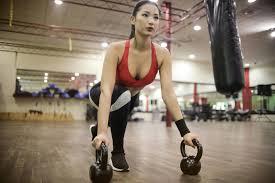
Mastering the art of kettle-bell strength training begins with understanding the proper grip and posture. Your grip on the kettle-bell should be firm yet flexible to allow for smooth transitions during movements.
Position your thumb under the handle for support, and let your fingers wrap around it, creating a hook. Equally important is your posture; maintain a neutral spine with your chest up and shoulders back to prevent injury and maximize the benefits of your workout.
Engaging your core from the outset helps stabilize your body, ensuring you perform each exercise effectively. Correct grip and posture not only enhance your strength gains but also build confidence as you progress through various kettle-bell exercises.
Ready to transform your routine? Start with these foundational elements, and experience the power of precise kettlebell movements.
Body alignment for kettle-bell core exercises
Achieving optimal body alignment is crucial for executing kettlebell core exercises effectively. Begin by standing tall with your feet hip-width apart, grounding through the entire foot to maintain balance. Engage your core by pulling your navel towards your spine, creating a brace that protects your lower back.
As you lift the kettle-bell, whether for a swing or a more advanced movement, maintain a straight line from your head through your hips. Avoid hunching or leaning forward, as this can strain your neck and compromise your stability.
By focusing on alignment, you not only enhance the efficacy of your kettle-bell core exercises but also safeguard your body against potential injuries. Are you aligning your actions with your fitness goals? Perfect your form to unlock the full potential of your workouts.
Top 5 Kettle-bell Exercises to Transform Your Routine
 Kettlebell
Power and cardio
The kettle-bell swing is a dynamic exercise that combines power and cardiovascular training, making it a perfect addition to any workout routine. This exercise primarily targets the posterior chain, engaging muscles in your lower back, glutes, and hamstrings,
while simultaneously elevating your heart rate for a cardio boost. As you swing the kettle-bell between your legs and up to shoulder height, you’ll also engage your core, improving stability and balance. It’s a full-body movement that not only builds explosive strength but also enhances your aerobic capacity.
To truly benefit from kettle-bell swings, focus on maintaining proper form with a flat back and a slight bend in the knees. Are you ready to feel the burn and see results? Give kettle-bell swings a try and watch your power and endurance skyrocket.
Goblet squat: Lower body strength
The goblet squat is a staple in kettlebell strength training, known for effectively building lower body strength. By holding a kettle-bell close to your chest, you engage not only your quads and hamstrings but also your core, promoting stability and balance.
This exercise is particularly beneficial for women looking to enhance their glute development and overall lower body tone. Its versatility allows you to adjust the weight and repetitions based on your fitness level, making it suitable for beginners and advanced fitness enthusiasts alike.
As you lower into the squat, ensure your knees track over your toes, and your chest stays upright to maximize benefits while minimizing injury risk. Are you eager to boost your leg strength and transform your physique? Incorporate goblet squats into your workout plan today.
Building core stability
The kettle-bell deadlift is more than just a strength exercise; it’s a powerful way to develop core stability and enhance functional fitness.
This movement targets the muscles of the lower back, glutes, and hamstrings, while also requiring significant core engagement to maintain proper form. As you perform the deadlift, focus on keeping your back straight and your shoulders pulled back, which helps prevent injuries and maximizes muscle activation.
This exercise is particularly effective in improving posture and overall body mechanics, making daily activities more manageable. Whether you’re new to kettlebell workouts or an experienced lifter, the kettle-bell deadlift can be adapted to suit your fitness level.
Want to strengthen your core while building a resilient body? Add kettlebell deadlifts to your routine and experience the difference.
Turkish get-up: Full-body mobility
The Turkish get-up is a unique and challenging exercise that enhances full-body mobility, strength, and coordination.
This complex movement requires you to transition from lying down to standing while balancing a kettle-bell overhead, engaging multiple muscle groups along the way. It’s a powerful exercise for improving joint stability, flexibility, and balance, making it invaluable for athletes and fitness enthusiasts aiming for holistic fitness improvements.
The get-up demands focus and precision, promoting mindfulness in your workouts and reducing the risk of injury. As you practice this skill, you’ll notice improvements not only in your physical performance but also in your mental resilience.
Interested in unlocking your body’s full potential? Incorporate the Turkish get-up into your kettlebell workout plan and watch your mobility and strength soar.
Total body workout
 Kettlebell
The kettlebell clean and press is the pinnacle of total body workouts, combining elements of strength, endurance, and coordination.
This exercise involves lifting the kettle-bell from the ground to your shoulder (the clean) and then pressing it overhead, effectively working your legs, core, shoulders, and arms.
The clean and press is a fantastic way to build explosive power, improve cardiovascular fitness, and enhance muscular endurance. It also requires significant core engagement to stabilize your body throughout the movement, promoting a strong and balanced physique.
Whether you’re crafting a kettle-bell workout for women or seeking the best kettle-bell exercises for overall the clean and press delivers exceptional results. Ready to challenge your entire body and elevate your fitness routine? Give the kettle-bell clean and press a try and unleash yourinnerathlete.Workout PlanWeekly structures for every fitness level
Crafting the perfect kettle-bell workout plan involves understanding your current fitness level and setting realistic goals. Whether you’re a beginner or a seasoned athlete, structuring your week can maximize your results.
For beginners, consider starting with two to three sessions per week, focusing on mastering the basics like kettle-bell swings and goblet squats.
Intermediate users can increase frequency to four or five times a week, incorporating dynamic movements such as Turkish get-ups and kettlebell cleans. Advanced users, aiming for peak strength and endurance, might opt for daily workouts with varied intensity, including explosive snatches and complex sequences.
Each level should incorporate rest and recovery to prevent injury and promote muscle growth. Are you ready to take your fitness to the next level with a tailored kettlebell routine?
Progressive overload and tracking results
To continuously challenge your body and enhance performance, it’s essential to apply the principle of progressive overload in your kettlebell workouts. This means gradually increasing the weight, reps, or intensity of your exercises to keep pushing your limits.
Begin by establishing a baseline—track your current performance and log results after each session. Use this data to set weekly targets and celebrate small victories, like completing an extra rep or lifting a heavier kettlebell.
Over time, you’ll notice improvements in your strength and endurance, leading to a transformed physique. Keep a workout journal or digital tracker to visualize progress and stay motivated. Are you keeping track of your kettle-bell journey and setting new goals to achieve breakthrough results?
Kettlebell workout for women: Tailored options
For women looking to enhance their fitness with kettlebells, there are tailored options that focus on building strength, toning, and boosting confidence. Kettle-bell workouts for women can be designed to target specific areas such as the core, glutes, and upper body. I
incorporate exercises like kettle-bell core exercises, deadlifts, and press variations to sculpt and tone muscles effectively. Additionally, kettlebells offer a low-impact alternative that supports joint health while delivering maximum results.
Whether you’re looking to build strength through kettle-bell strength training or simply maintain a healthy lifestyle, these workouts can be adjusted to fit your schedule and abilities. Ready to embrace a fitness plan that empowers you to become the strongest version of yourself?
Common Mistakes in Kettlebell Training and How to Avoid Them
Incorrect lifting techniques
One of the most prevalent mistakes in kettlebell exercises is using improper lifting techniques, which can lead to serious injuries and hinder progress. Many enthusiasts make the mistake of swinging the kettle-bell with their arms rather than using the powerful thrust from their hips.
This not only strains your shoulders but also minimizes the engagement of your lower body. To execute the best kettlebell exercises effectively, focus on keeping your core tight and hinging at the hips.
Start each movement with a controlled motion, ensuring your back remains straight and your knees slightly bent. Practice in front of a mirror or record yourself to improve your form. Are you ready to perfect your technique and unlock the full potential of your kettle-bell workouts?
Using improper kettlebell weights
Selecting the wrong kettlebell weight is another common mistake that can impede your kettlebell strength training. If the weight is too light, you won’t stimulate muscle growth effectively, while a weight that’s too heavy can compromise your form and lead to injuries.
As a rule of thumb, women new to kettlebell workout plans might start with 8-12 kg, while men can begin with 12-16 kg. Always test the weights by performing a few basic moves, like the kettle-bell swing or goblet squat, to ensure you can maintain control.
Adjust your weights as your strength improves to keep challenging your body. Ready to find the perfect weight for your kettlebell workout for women or men and progress steadily?
Failing to maintain core engagement
The significance of core engagement in kettlebell core exercises cannot be overstated. Many individuals overlook this critical aspect, risking not only ineffective workouts but also potential back injuries.
A strong core stabilizes your entire body, allowing for more powerful movements and better balance. During each kettle-bell exercise, consciously engage your core by drawing your navel towards your spine and maintaining this tension throughout the motion.
This technique ensures that your kettlebell exercises are not just about strength but also about building a resilient core. Are you ready to transform your routine by keeping your core engaged and reaping the benefits of a stronger, more balanced body?
Practical Examples: Real-Life Kettlebell Success Stories
Comparing before and after results
Before introducing kettlebell exercises into my routine, like many others, I felt stuck in a fitness plateau. But with consistent kettle-bell strength training, I noticed remarkable improvements in my physique and overall health.
The transformation was evident—not only in visible muscle tone but also in enhanced endurance and agility. The best kettlebell exercises, such as swings and snatches, contributed to burning fat and building muscle simultaneously.
Friends who followed similar kettle-bell workout plans reported losing inches from their waistlines while gaining strength in areas they never thought possible. Are you ready to witness your own before and after results? Why not grab a kettlebell and start transforming your fitness journey today?
How kettlebell exercises improve functional strength

Kettlebell exercises offer a unique advantage, focusing not just on aesthetics but also on functional strength. Incorporating kettle-bell core exercises into my workouts has significantly improved my balance, coordination, and overall body control.
These exercises simulate real-life movements, making daily activities easier and more efficient. For example, a kettle-bell workout for women can effectively enhance core stability, which is essential for tasks like lifting groceries or playing with children.
By engaging multiple muscle groups simultaneously, kettle-bells build a comprehensive strength that traditional weights often overlook. Are you optimizing your workout for real-world strength? Discover how kettle-bell training can redefine your limits and enhance your everyday life.
Expert Tips for Maximizing Results with Kettlebell Exercises
How to combine kettlebell workouts with other training
Integrating kettlebell workouts with other forms of training can revolutionize your fitness routine. By combining kettle-bell exercises with bodyweight movements, you can enhance both strength and cardiovascular endurance.
For instance, alternating between kettlebell swings and push-ups in a circuit keeps the heart rate elevated and targets multiple muscle groups. Incorporating kettlebell core exercises into your strength training regimen can also boost core stability while promoting compound muscle engagement.
Use kettle-bell strength training as a complement to your weekly running routine to improve overall power and agility. The versatility of kettle-bell exercises allows for seamless integration with almost any fitness plan. Are you ready to challenge yourself by mixing kettle-bells with other workouts? Try creating a balanced kettlebell workout plan today!
Rest, recovery, and injury prevention
Rest and recovery are crucial aspects of any effective fitness program, especially when it involves kettle-bell exercises. To prevent injuries and ensure optimal performance, it’s essential to listen to your body and give it the time it needs to recover.
Make sure to incorporate rest days into your kettlebell workout plan to allow muscles to repair and grow stronger. Focus on mobility exercises and gentle stretching to maintain flexibility and prevent strain.
Using proper form and not overloading the kettle-bell weight are key to safe training. Additionally, paying attention to small details, like wearing proper footwear and warming up thoroughly, can significantly reduce the risk of injury. Are you incorporating enough recovery into your training routine to maximize your kettlebell gains?
Recommended resources for continued learning
Expanding your knowledge of kettlebell training can significantly enhance your workout experience and results. Consider diving into online platforms that offer kettle-bell workout for women or tailored best kettlebell exercises guides.
There are numerous books and video courses available that cover everything from basic kettle-bell exercises to advanced kettlebell core exercises techniques. Join fitness communities or follow well-known fitness experts on social media to stay updated on the latest trends and tips.
Engaging with these resources not only keeps your routine fresh but also empowers you with new skills and methods. How will you continue to advance your kettle-bell training knowledge? Explore these resources and take your fitness journey to the next level!
Conclusion
In concluding this comprehensive guide on kettlebell exercises, it’s clear that integrating these dynamic tools into your fitness routine can unlock transformative benefits.
From mastering the basics of proper grip and posture to incorporating advanced moves like the clean and press, kettle-bells offer a versatile approach to building strength, improving cardiovascular health, and enhancing functional fitness.
Remember, the key to success lies in selecting the right weight, maintaining core engagement, and ensuring a safe workout environment.
As you embark on or continue your kettle-bell journey, embrace the principles of progressive overload and track your progress to stay motivated and achieve your fitness goals. Whether you’re a beginner or an advanced athlete, tailoring your kettle-bell workout plans to your specific needs will help you unleash your full potential.
We’d love to hear about your experiences with kettlebell training. Feel free to share your thoughts and results in the comments section below. If you’re ready to take the next step, consider investing in quality kettle-bells or joining a fitness community to keep your momentum going. Transform your fitness journey today and experience the power of the kettlebell!









Leave a Comment