
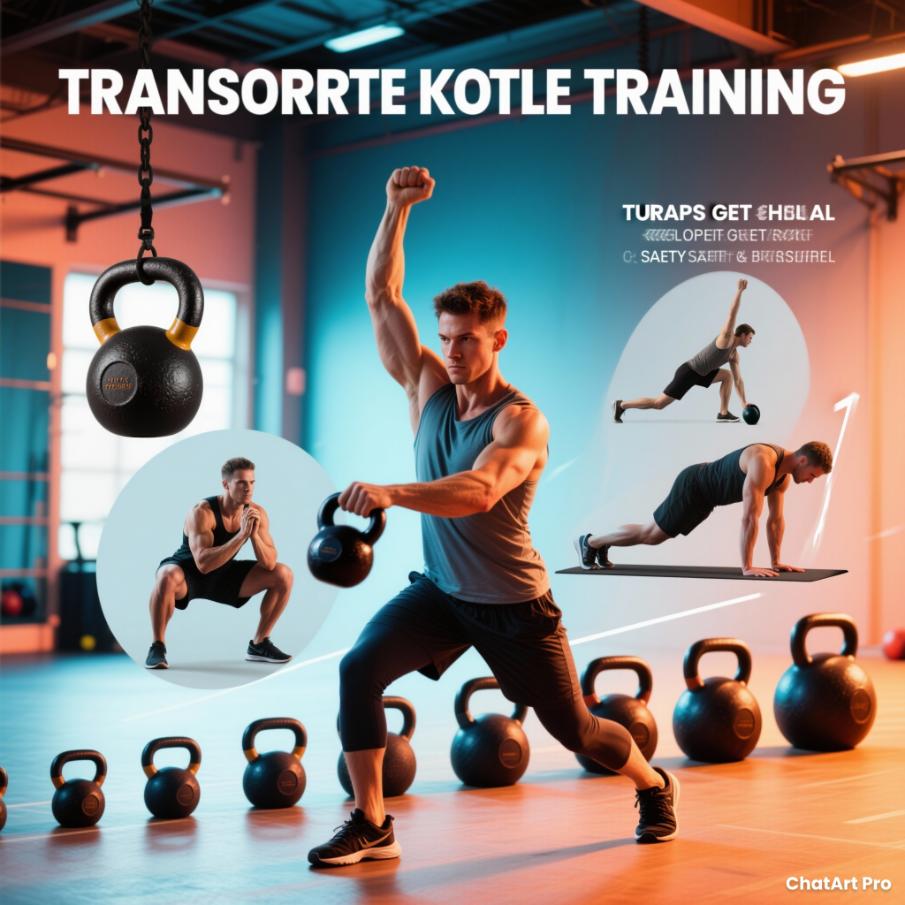
Kettle-bells vs. Dumbbells
Unlike dumbbells, kettle-bells have an off-centered weight, making your body work harder to stabilize during movements. This improves core strength, balance, and coordination far better than traditional weights.
The Science Behind the Design
The handle and offset center of mass create continuous tension throughout your body. This design makes kettlebells ideal for dynamic exercises like swings, cleans, and snatches — offering strength and cardio simultaneously.
Benefits of Kettle-bell Training
1. Full-Body Workout
Each kettle-bell exercise recruits multiple muscle groups. From legs to shoulders, you’re engaging your entire body in a single movement.
2. Builds Strength and Endurance
Kettle-bell workouts help you gain lean muscle and improve stamina — perfect for both athletes and fitness enthusiasts.
3. Boosts Cardiovascular Health
High-intensity kettle-bell workouts elevate your heart rate quickly, enhancing cardiovascular endurance.
4. Enhances Flexibility and Balance
Constant motion and stabilization strengthen smaller muscles and improve flexibility.
5. Perfect for Fat Loss
Kettle-bell circuits burn massive calories — up to 20 calories per minute, according to studies. It’s one of the most efficient tools for fat loss.
Popular Kettle-bell Exercises
1. Kettle-bell Swing
The foundation of all kettle-bell workouts. It targets your hips, glutes, and core, improving explosive strength.
2. Goblet Squat
Hold the kettle-bell close to your chest and squat -deeply. Excellent for leg and glute development.
3. Turkish Get-Up
A complex move that improves stability, mobility, and strength from lying to standing with a kettle-bell overhead.
4. Kettle-bell Snatch
This powerful movement develops endurance, power, and grip strength.
5. Clean and Press
A total-body move combining a clean to shoulder and an overhead press.
6. Kettle-bell Deadlift
Perfect for building lower-body and posterior chain strength.
How to Start Kettle-bell Training
Choosing the Right Weight
For beginners, start light — 8–12 kg for women and 12–16 kg for men. Focus on form, not load.
Warming Up Properly
Always perform dynamic stretches and mobility drills before your workout.
Correct Form
Keep your back straight, core tight, and movements controlled. Good form prevents injuries and boosts efficiency.
Avoiding Common Mistakes
Don’t swing with your arms — power should come from your hips. Avoid overextending or twisting your spine.
Kettle-bell Workouts for Different Goals
1. Beginner Routine
-
- 10 swings
-
- 10 goblet squats
-
- 10 presses (each arm)
Repeat 3–4 rounds.
- 10 presses (each arm)
2. Fat Loss Circuit
Alternate swings, squats, and burpees for 20 minutes.
3. Strength Routine
Focus on slow, controlled lifts like deadlifts, cleans, and presses.
4. Cardio Challenge
Perform continuous swings for 30 seconds, rest 15 seconds, repeat for 10 rounds.
Safety Tips for Kettlebell Training
-
- Always maintain proper posture.
-
- Exhale during the effort phase.
-
- Rest between sets to prevent overtraining.
-
- Avoid jerky movements that strain the lower back.
Nutrition Tips to Support Kettle-bell Training
Fuel your body with lean proteins, healthy fats, and complex carbs. Stay hydrated and consume a protein-rich meal post-workout to aid muscle recovery.
Kettlebell Training for Specific Groups
Women
Kettlebells help tone arms, legs, and glutes without bulking up.
Seniors
Low-impact exercises like deadlifts improve strength and bone density.
Athletes
Ideal for explosive strength, balance, and grip improvement.
Home Kettlebell Training
You only need a small space — a 2×2 meter area is enough. Online programs and YouTube tutorials make it easy to train effectively at home.
Advanced Kettle-bell Techniques
Try double kettle-bell training or kettlebell flows for advanced conditioning. Combine with bodyweight movements for more challenge and variety.
Common Mistakes to Avoid
-
- Skipping warm-ups
-
- Using too heavy a kettlebell too soon
-
- Overtraining without recovery
-
- Ignoring mobility work
Choosing the Best Kettle-bell
Opt for cast iron or competition-grade kettle-bells. Check handle grip and coating for comfort and durability. Powder-coated models are ideal for sweaty hands.
Conclusion
Kettle-bell training is more than a trend — it’s a lifestyle revolution. With one tool, you can build strength, stamina, and resilience while torching fat. Whether you train at home or the gym, kettle-bells are your key to unlocking peak fitness.
FAQs
1. How often should I do kettlebell workouts?
3–4 times per week is ideal for most people.
2. Are kettlebells good for beginners?
Absolutely. Start with lighter weights and learn proper form first.
3. Can kettlebells replace dumbbells?
Yes, they offer more functional movement and full-body engagement.
4. Do kettlebells build muscle?
Yes — especially lean, functional muscle through dynamic resistance.
5. What’s the best kettlebell weight to start with?
8–12 kg for women and 12–16 kg for men is a great starting range.







Leave a Comment