
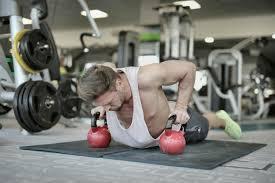
Unleash Your Strength with Every Swing
What Is a Kettlebell?
A kettle-bell is a cast-iron or steel weight that resembles a cannonball with a handle. It allows you to perform dynamic movements involving strength, endurance, balance, and coordination. Unlike dumbbells, the kettlebell’s unique shape shifts the center of gravity beyond your hand, engaging more stabilizing muscles during workouts.
The History of Kettlebells
Kettle-bells originated in Russia in the 18th century, where farmers used them to weigh crops. Eventually, strongmen began using them for strength competitions, and by the 20th century, kettlebell lifting became a recognized sport — Girevoy sport. Today, kettlebells are a staple in gyms worldwide due to their versatility and efficiency.
Why Kettlebells Are So Effective
The secret behind kettle-bell effectiveness lies in functional movement. Kettle-bell exercises train multiple muscle groups simultaneously, enhancing real-world strength and mobility. Unlike isolated exercises, kettlebell workouts mimic natural human movements like lifting, swinging, and carrying — all in one go.
Benefits of Kettlebell Training
Full-Body Strength
Kettle-bells engage multiple muscles at once — your legs, core, back, and shoulders all work together. A simple swing can tone your glutes while strengthening your grip and shoulders.
Cardiovascular Conditioning
Kettle-bell workouts are a two-in-one — they combine strength and cardio. You can burn up to 20 calories per minute with high-intensity intervals, making it one of the most efficient fat-burning tools.
Improved Mobility and Flexibility
Movements like the Turkish Get-Up and Windmill enhance joint mobility and core stability, which reduces stiffness and improves posture.
Kettlebell vs. Dumbbell: What’s the Difference?
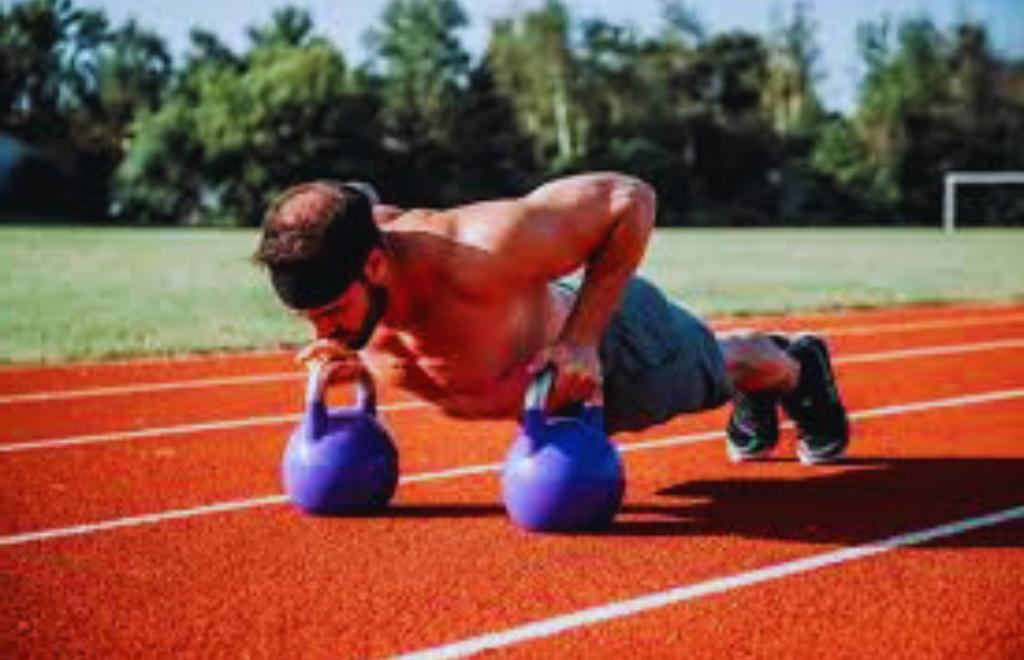
While both tools build strength, kettle-bells challenge your stability and coordination far more. The offset center of gravity demands core engagement, making each lift functional and dynamic — unlike the more linear dumbbell lifts.
How to Choose the Right Kettle-bell Weight
For Beginners
Start light to master technique.
- Women: 8–12 kg (18–26 lbs)
- Men: 12–16 kg (26–35 lbs)
For Intermediate Lifters
Once you have solid form, increase the weight gradually to 16–20 kg (35–44 lbs).
For Advanced Athletes
Advanced users can lift 24 kg (53 lbs) and beyond, depending on the exercise and strength level.
Essential Kettle-bell Safety Tips
- Warm up properly.
- Focus on form over speed.
- Keep your core tight and back neutral.
- Avoid overtraining your lower back.
- Train on a stable, non-slip surface.
Top 10 Kettlebell Exercises for All Levels
1. Kettle-bell Swing
The king of all kettle-bell moves. Builds explosive power and burns calories fast.
2. Goblet Squat
Hold the kettle-bell close to your chest — perfect for leg and glute development.
3. Kettle-bell Deadlift
Teaches proper hip hinge mechanics while strengthening your posterior chain.
4. Kettle-bell Clean
A dynamic lift that builds coordination and shoulder strength.
5. Kettle-bell Press
Strengthens shoulders, triceps, and core simultaneously.
6. Turkish Get-Up
Improves stability, mobility, and total-body awareness.
7. Kettleb-ell Snatch
High-intensity, full-body movement that boosts endurance.
8. Kettle-bell Lunge
Targets your quads, hamstrings, and glutes while improving balance.
9. Kettle-bell Row
Strengthens back muscles and enhances posture.
10. Kettle-bell Windmill
A perfect move for flexibility, core strength, and shoulder stability.
Kettlebell Workouts for Beginners
- Kettlebell Swing – 15 reps
- Goblet Squat – 12 reps
- Kettle-bell Deadlift – 10 reps
- Rest – 60 seconds
Repeat for 3–4 rounds.
Intermediate Kettle-bell Workout Plan
- Kettle-bell Clean and Press – 10 reps each side
- Kettle-bell Snatch – 12 reps
- Kettle-bell Lunge – 10 reps each leg
- Rest – 45 seconds
Repeat for 4–5 rounds.
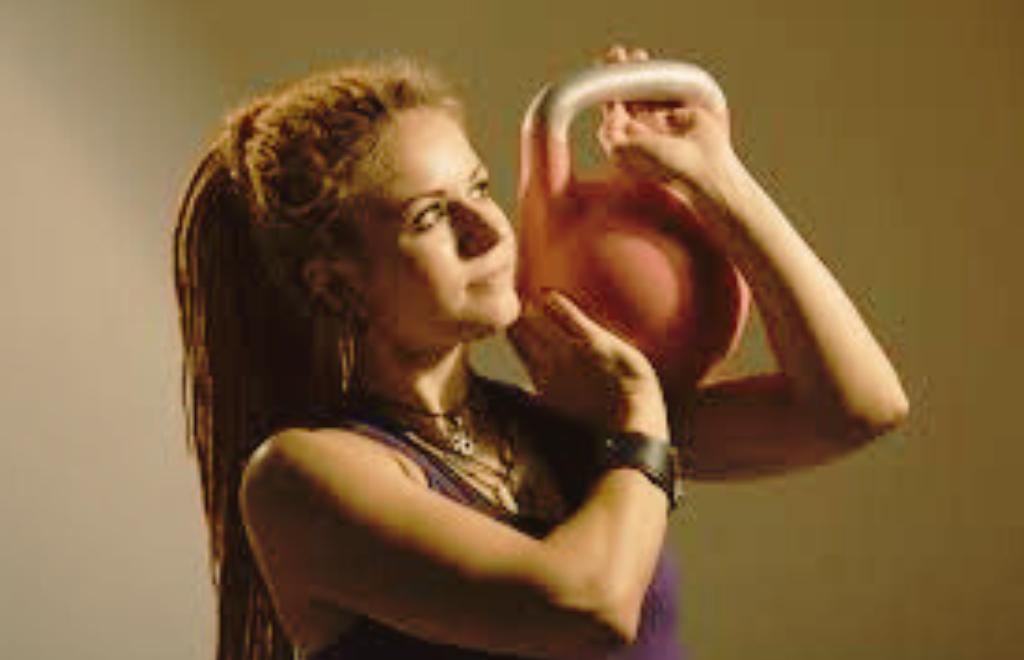
Advanced Kettle-bell Challenges
Try EMOM (Every Minute on the Minute) workouts:
Perform 10 swings + 5 goblet squats every minute for 15 minutes. This method maximizes endurance and builds serious strength.
Common Kettle-bell Mistakes to Avoid
- Rounding the back during swings.
- Lifting too heavy too soon.
- Using arms instead of hips for power.
- Ignoring rest and recovery.
- Neglecting form during fatigue.
Nutrition Tips for Kettle-bell Athletes
Fuel your workouts with lean protein, complex carbs, and healthy fats. Hydration is key — drink water before and after your session. Consider recovery shakes for muscle repair.
How Often Should You Train with Kettlebells?
For best results, train 3–4 times a week. Beginners can start with shorter 20-minute sessions and progress to 45-minute workouts as endurance builds.
Building a Home Kettle-bell Gym
You only need:
- 2–3 kettle-bells (different weights)
- A rubber mat
- Space for movement
Optional: mirror for form check and timer for intervals.
The Mental Benefits of Kettle-bell Training
Beyond physical power, kettlebell training improves mental focus, discipline, and stress relief. The rhythmic motion of swings can be almost meditative, helping you clear your mind while strengthening your body.
Conclusion
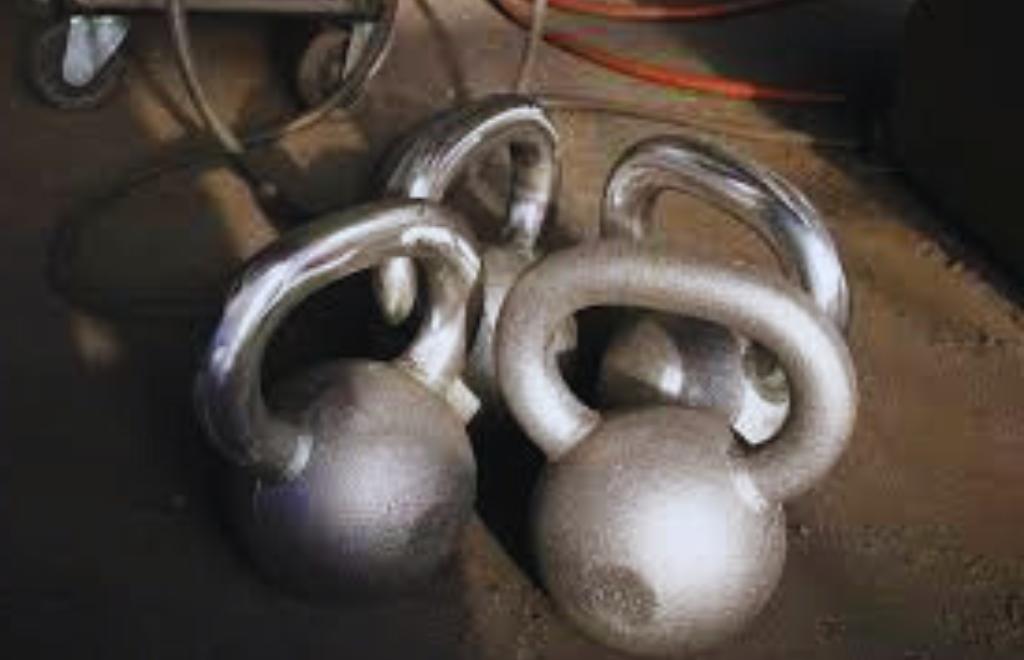
The kettlebell is more than just a weight — it’s your ultimate fitness companion. It builds strength, burns fat, boosts mobility, and challenges both mind and body. Whether you’re a beginner or a pro, kettlebell training will power up your fitness journey and redefine what strength means to you.
FAQs
1. Are kettlebells good for weight loss?
Yes! Kettlebells combine cardio and strength training, making them excellent for fat burning.
2. Can I use kettlebells every day?
It’s best to allow rest days for muscle recovery. Aim for 3–4 sessions per week.
3. How long should a kettlebell workout last?
A solid session can last anywhere from 20 to 45 minutes depending on intensity.
4. Do I need multiple kettlebells?
Not necessarily. You can start with one moderate weight and expand as you progress.
5. Can beginners use kettlebells safely?
Absolutely! Start light, focus on form, and increase weight gradually.







2 Comments
“There is power in surrender. When you act gently, you align with life’s natural rhythm. You stop fighting the current and begin flowing with it — and that’s when miracles start to unfold.”