
Introduction
Diabetes doesn’t usually arrive with flashing warning lights. It sneaks in quietly, dropping subtle hints that most people brush off as “normal tiredness” or “just stress.” That’s exactly why diabetes is so dangerous. By the time obvious symptoms appear, the condition may already be doing serious damage inside your body.
Dia-betes Is More Common Than You Think
Millions of people around the world are living with diabetes—and many of them don’t even know it. Even more alarming, a huge number are in the prediabetes stage, where blood sugar levels are higher than normal but not high enough for a diagnosis.
The Danger of Ignoring Early Symptoms
Ignoring early signs is like driving a car while the engine warning light is on. You might keep going for a while, but eventually, something breaks. Early detection can prevent complications like nerve damage, kidney disease, vision loss, and heart problems.
What Is Diabetes? A Simple Explanation
Diabetes is a condition that affects how your body uses glucose, which is your main source of energy. When insulin doesn’t work properly or isn’t produced enough, sugar builds up in your blood.
Type 1 vs Type 2 Diabetes
Type 1 diabetes usually develops early in life and is linked to the immune system. Type 2 diabetes is far more common and often develops due to lifestyle factors like poor diet, lack of exercise, and obesity.
Prediabetes and Why It’s a Warning Stage
Prediabetes is your body’s early cry for help. The good news? At this stage, diabetes can often be prevented or delayed with lifestyle changes.
Why Early Symptoms Are Often Missed
Symptoms That Feel “Normal”
Feeling tired? Thirsty? Hungry? Most people shrug these off because they sound harmless. That’s the trap.
Busy Lifestyles and Health Neglect
We’re busy. We work, scroll, stress, and sleep late. Health often takes a back seat—until it forces its way to the front.
Shocking Early Signs of Most People Ignore
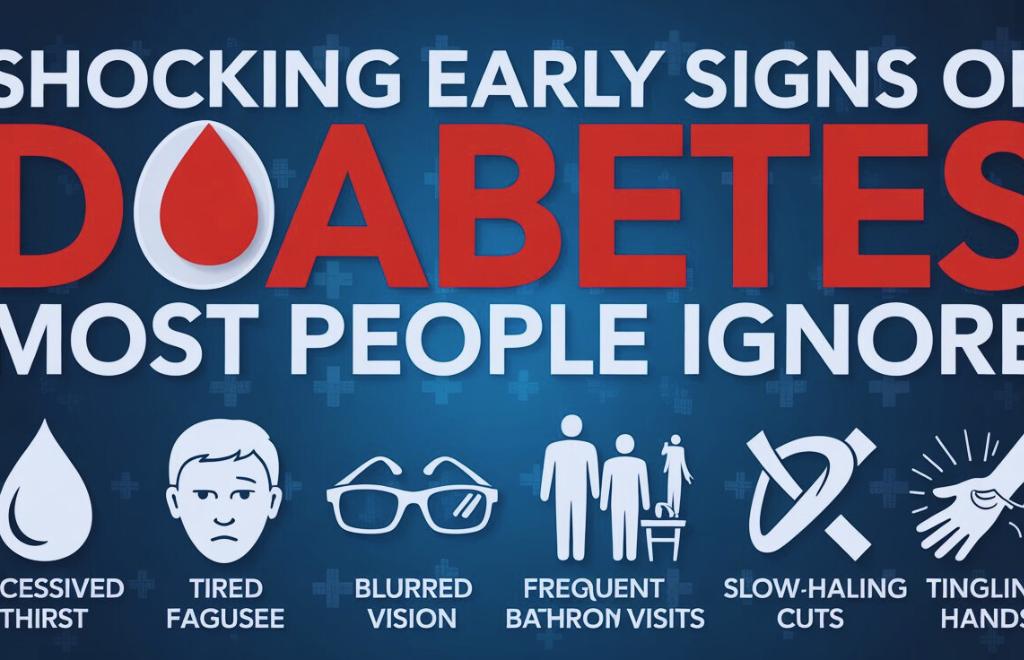
Constant Fatigue Even After Rest
If you feel exhausted no matter how much sleep you get, your cells may not be getting the glucose they need for energy.
Frequent Urination, Especially at Night
High blood sugar forces your kidneys to work overtime, pulling fluid from tissues. The result? More bathroom trips.
Unusual and Excessive Thirst
Drinking water constantly but still feeling thirsty is a classic early warning sign many people ignore.
Sudden Unexplained Weight Loss
Losing weight without trying sounds great—until you realize your body is breaking down muscle and fat for fuel.
Increased Hunger Even After Meals
When glucose can’t enter your cells, your brain thinks you’re starving, triggering constant hunger.
Subtle Physical Changes You Shouldn’t Ignore
Blurred Vision That Comes and Goes
High blood sugar pulls fluid from your eye lenses, affecting your ability to focus.
Slow-Healing Cuts and Wounds
If small cuts take forever to heal, poor circulation and nerve damage may already be starting.
Tingling or Numbness in Hands and Feet
This is often an early sign of nerve damage caused by prolonged high blood sugar.
Dark Patches of Skin (Acanthosis Nigricans)
Dark, velvety skin around the neck or armpits can signal insulin resistance.
Skin, Mouth, and Infection Warning Signs
Frequent Skin Infections
High blood sugar creates the perfect environment for bacteria and fungi.
Gum Problems and Bad Breath
Bleeding gums, infections, and persistent bad breath can be linked to diabetes.
Recurring Yeast Infections
Women especially may notice frequent yeast infections as an early symptom.
Emotional and Mental Symptoms Linked to Diabetes
Mood Swings and Irritability
Blood sugar spikes and crashes can seriously affect your mood.
Brain Fog and Trouble Concentrating
If your thinking feels cloudy, unstable blood sugar could be the reason.
Early Dia-betes Signs in Men and Women
Symptoms More Common in Men
Reduced muscle strength and low energy levels may appear early.
Symptoms More Common in Women
Hormonal imbalances and frequent infections are often early red flags.
When Should You See a Doctor?
Red Flags That Need Immediate Attention
If you notice multiple symptoms together, don’t wait. Early testing saves lives.
Simple Tests That Detect Dia-betes Early
Blood sugar tests and A1C tests are quick, affordable, and effective.
How Early Detection Can Change Your Life
Preventing Long-Term Complications
Early action can prevent heart disease, kidney failure, and vision loss.
Lifestyle Changes That Work
Small changes—like walking daily and reducing sugar—can make a huge difference.
How to Reduce Your Risk Starting Today
Diet Adjustments for Blood Sugar Control
Focus on whole foods, fiber, and balanced meals.
Exercise and Daily Movement
Even 30 minutes of walking a day improves insulin sensitivity.
Sleep and Stress Management
Poor sleep and stress raise blood sugar levels more than you think.
Common Myths About Early Diabetes Symptoms
“Only Overweight People Get Diabetes”
Wrong. Thin people can develop diabetes too.
“I’m Too Young to Have Dia-betes”
Age is no longer a protection—young adults are increasingly affected.
Conclusion – Listen to What Your Body Is Telling You
Your body whispers before it screams. Those small, annoying symptoms you keep ignoring could be early signs of diabetes. The earlier you listen, the easier it is to take control. Awareness is your first and most powerful defense.
FAQs
1. Can early diabetes symptoms come and go?
Yes, symptoms often fluctuate, which makes them easy to ignore.
2. Is prediabetes reversible?
In many cases, yes—through diet, exercise, and weight management.
3. How fast does type 2 diabetes develop?
It can develop slowly over years, which is why early signs are subtle.
4. Can stress cause diabetes symptoms?
Stress can worsen blood sugar control and mimic early symptoms.
5. What’s the first step if I suspect diabetes?
Schedule a simple blood sugar test with a healthcare professional.










Leave a Comment