
Introduction:
Why You Should Care About Blood Sugar Spikes
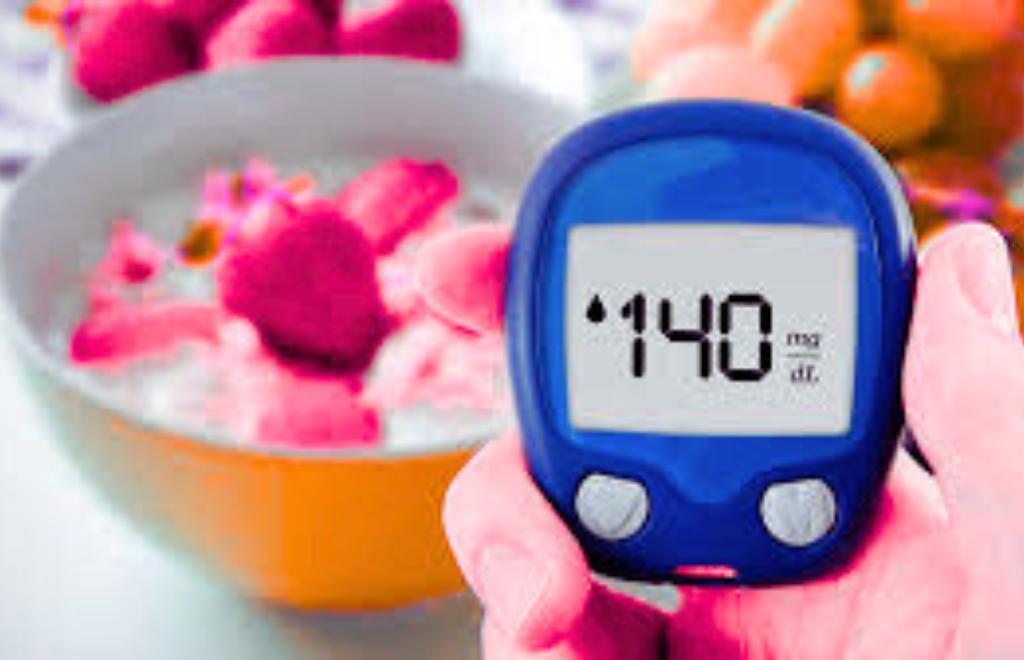
Blood sugar spikes aren’t just a problem for people with diabetes — they can happen to anyone. What’s even more alarming is that frequent spikes can silently damage your body over time, leading to fatigue, weight gain, and even heart disease. Understanding how your blood sugar works could literally save your life.
What Are Blood Sugar Spikes?
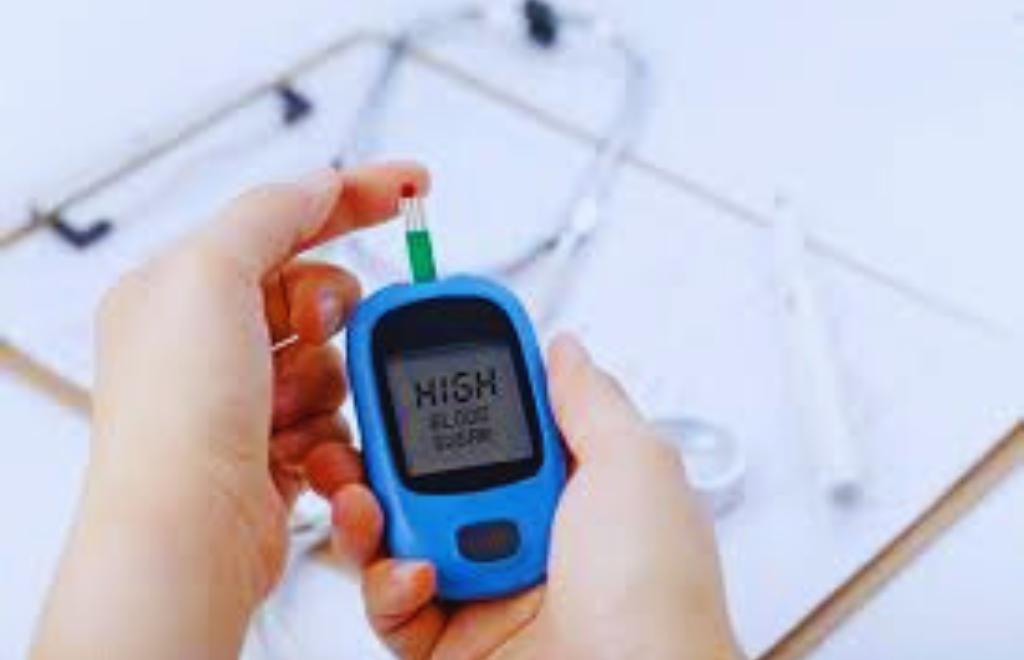
A blood sugar spike occurs when your blood glucose (sugar) levels rise rapidly after eating. This typically happens after consuming foods high in refined carbohydrates or sugar.
When you eat such foods, your body converts them into glucose, which enters your bloodstream. The pancreas releases insulin, a hormone that helps move glucose from your blood into your cells. But if you eat too much sugar too often, your body can’t keep up — leading to dangerous spikes.
How Your Body Controls Blood Sugar Levels
The Role of Insulin
Insulin acts like a key — it unlocks your cells to let glucose in for energy. Without enough insulin or with insulin resistance, your cells can’t absorb glucose properly.
The Pancreas’ Function
The pancreas detects rising blood sugar and releases insulin. Over time, if it’s overworked, it can wear out, paving the way for prediabetes or diabetes.
Common Causes of Blood Sugar Spikes
Sugary Foods and Drinks
Candy, soda, desserts — they’re obvious culprits. But even “healthy” smoothies or fruit juices can cause massive spikes.
Skipping Meals
When you skip meals, your blood sugar drops. Then, when you finally eat, it spikes dramatically.
Stress and Lack of Sleep
Stress hormones like cortisol trigger your liver to release extra glucose. Lack of sleep can make your cells more resistant to insulin.
Sedentary Lifestyle
Physical inactivity makes your body less efficient at using glucose, increasing your risk of spikes and insulin resistance.
Hidden Foods That Cause Unexpected Spikes
Surprisingly, many foods marketed as “healthy” can sabotage your blood sugar.
- Granola bars
- Flavored yogurt
- Instant oatmeal
- White bread and pasta
- Low-fat salad dressings loaded with sugar
Always read the labels — the “fat-free” or “low-calorie” options often contain hidden sugars.
The Dangerous Effects of Blood Sugar Spikes
Frequent blood sugar spikes can have devastating effects on your body.
Short-Term Symptoms
- Fatigue
- Headaches
- Brain fog
- Irritability
Long-Term Health Consequences
- Insulin resistance
- Type 2 diabetes
- Heart disease
- Kidney problems
- Premature aging
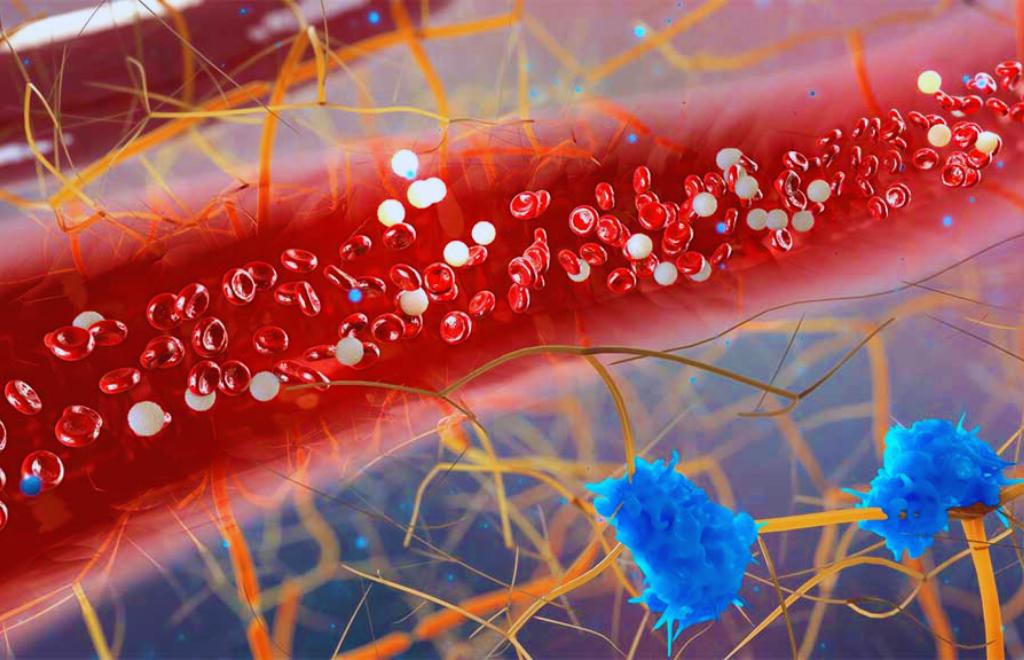
Your body’s blood vessels suffer damage from repeated high glucose levels, increasing your risk of cardiovascular diseases.
The Link Between Blood Sugar and Weight Gain
When insulin levels are high, your body tends to store more fat rather than burn it. Over time, this can lead to stubborn belly fat and slow metabolism.
Even worse, weight gain can make your body more resistant to insulin — creating a vicious cycle.
How Blood Sugar Spikes Affect Your Energy Levels
Ever felt energetic after a sugary snack, only to crash an hour later? That’s a blood sugar rollercoaster.
After the spike, insulin drops your glucose too low, leaving you tired and craving more sugar. This “high-crash” cycle drains your energy throughout the day.
The Silent Connection Between Blood Sugar and Heart Disease
Chronic blood sugar spikes damage your arteries and lead to inflammation — a key factor in heart disease. Studies show that people with unstable glucose levels are more likely to suffer heart attacks or strokes.
How to Prevent Blood Sugar Spikes Naturally
- Eat smaller, balanced meals throughout the day.
- Avoid refined carbs and processed sugars.
- Pair carbs with protein and healthy fats.
- Walk or move your body after meals.
- Stay hydrated — dehydration worsens blood sugar control.
The Best Foods to Stabilize Blood Sugar
- Oats: Slow-digesting and rich in fiber.
- Leafy greens: Low in carbs, packed with nutrients.
- Avocados: Contain healthy fats that slow sugar absorption.
- Beans and lentils: Excellent for sustained energy.
- Nuts and seeds: Great for snacks without sugar spikes.
The Role of Intermittent Fasting in Blood Sugar Control
Intermittent fasting gives your pancreas a rest and helps your body become more insulin-sensitive. By spacing out meals, you reduce glucose fluctuations and help your body use stored fat for energy.
Natural Supplements That May Help
- Cinnamon: Improves insulin sensitivity.
- Berberine: Shown to lower blood sugar naturally.
- Apple Cider Vinegar: Helps slow digestion and glucose absorption.
Before trying any supplement, consult your doctor — natural doesn’t always mean safe for everyone.
Daily Habits to Keep Your Blood Sugar Stable
- Start your day with a protein-rich breakfast.
- Avoid eating late at night.
- Drink plenty of water.
- Manage stress with meditation or deep breathing.
- Get 7–8 hours of quality sleep.
Small daily habits can make a big difference in preventing spikes and improving your overall health.
Conclusion: Taking Control of Your Blood Sugar = Taking Control of Your Life
Your blood sugar levels affect every aspect of your health — from energy to mood, from weight to longevity. The shocking truth is that most people experience blood sugar spikes daily without realizing the damage they’re causing.
By making smarter food choices, staying active, and managing stress, you can stabilize your blood sugar — and reclaim control over your life.
FAQs
1. What is a normal blood sugar level?
For most people, fasting blood sugar should be between 70–99 mg/dL.
2. Can non-diabetics experience blood sugar spikes?
Absolutely! Anyone can experience spikes, especially after eating sugary or high-carb meals.
3. How fast do blood sugar spikes occur?
Usually within 30–60 minutes after eating — depending on what and how much you eat.
4. Can drinking water lower blood sugar?
Yes, hydration helps your kidneys flush excess glucose from your bloodstream.
5. What’s the best way to monitor blood sugar at home?
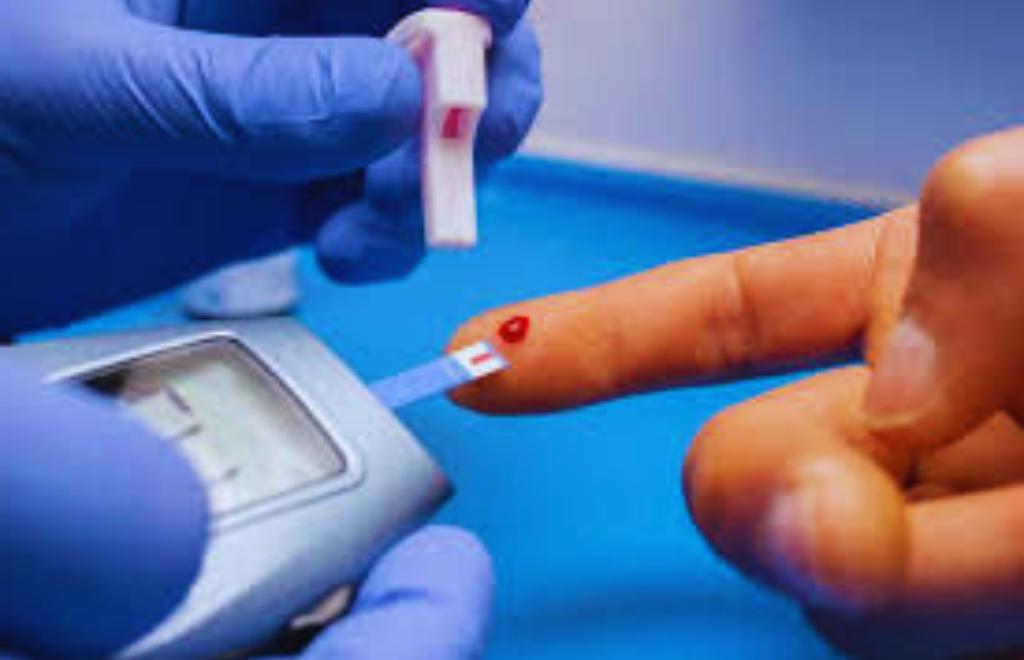
You can use a glucose monitor or a continuous glucose sensor (CGM) for real-time tracking.










6 Comments
“of them don’t even know it. Even more alarming, a huge number are in the prediabetes stage, where blood sugar levels are higher than normal but not high enough for a.”
“Almonds improve sleep quality, which is linked to better weight control. They also stabilize blood sugar and increase satiety, helping reduce late-night cravings.”
at’s a very accurate summary of RSV (Respiratory Syncytial Virus). You’re right to highlight its danger to infants, toddlers, and older adults with compromised immune systems. It often feels like a simple cold, but for those vulnerable groups, it can quickly escalate to serious conditions like bronchiolitis or pneumonia.