
Introduction
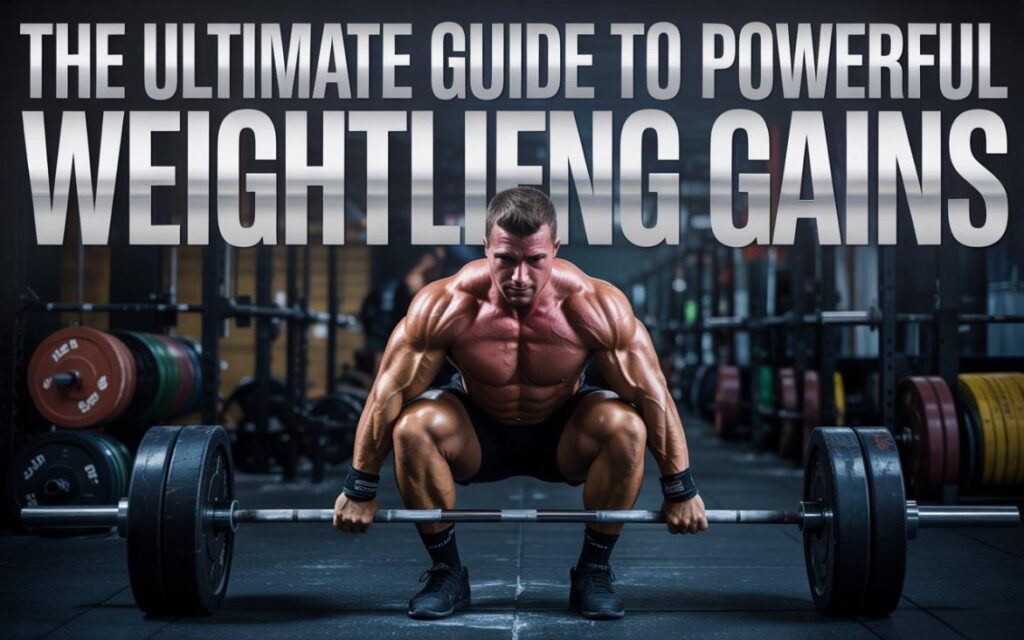
Welcome to The Ultimate Guide to Powerful Weightlifting Gains — your all-in-one roadmap to building serious strength, muscle, and confidence. Whether you’re new to lifting or an experienced gym-goer, this guide breaks down everything you need to know to transform your physique and elevate your performance.
What Is Weightlifting?
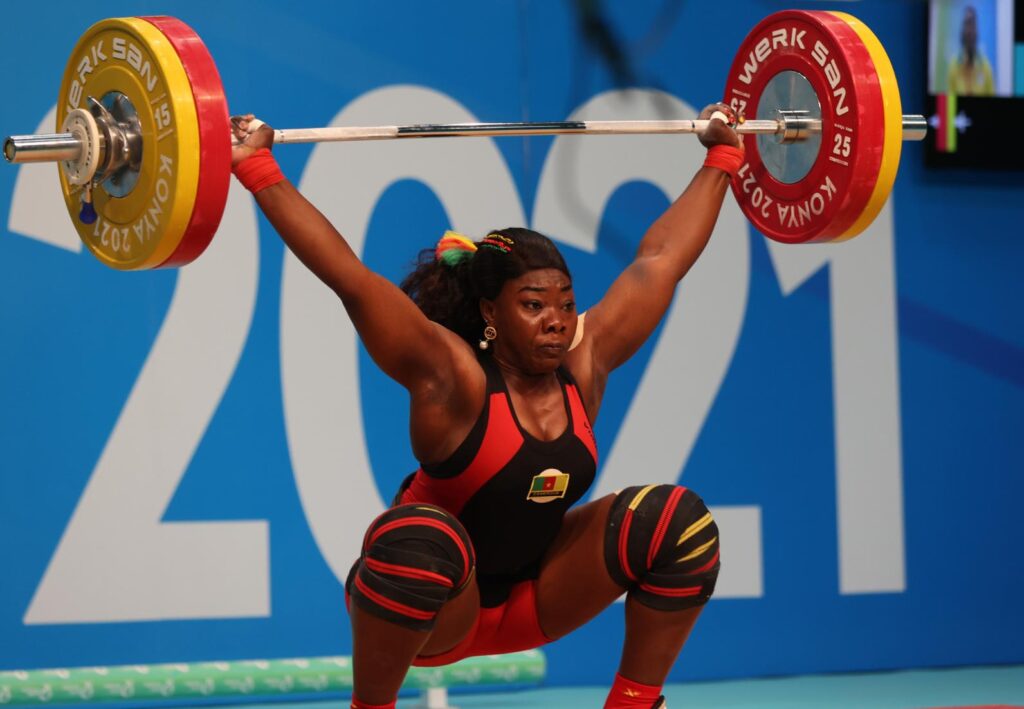
Weightlifting is more than just moving heavy objects — it’s a science-backed practice focused on building strength, muscle endurance, and overall body power. It involves structured resistance training with barbells, dumbbells, machines, or even your body weight.
Why Weightlifting Is the Ultimate Strength Builder
Unlike cardio, weightlifting helps you build muscle mass, increase bone density, and boost metabolism. It’s a full-body transformation tool. You don’t just look stronger — you become stronger. Plus, the afterburn effect (EPOC) keeps your body burning calories long after your workout ends.
Understanding the Science Behind Muscle Growth
a. Hypertrophy Explained
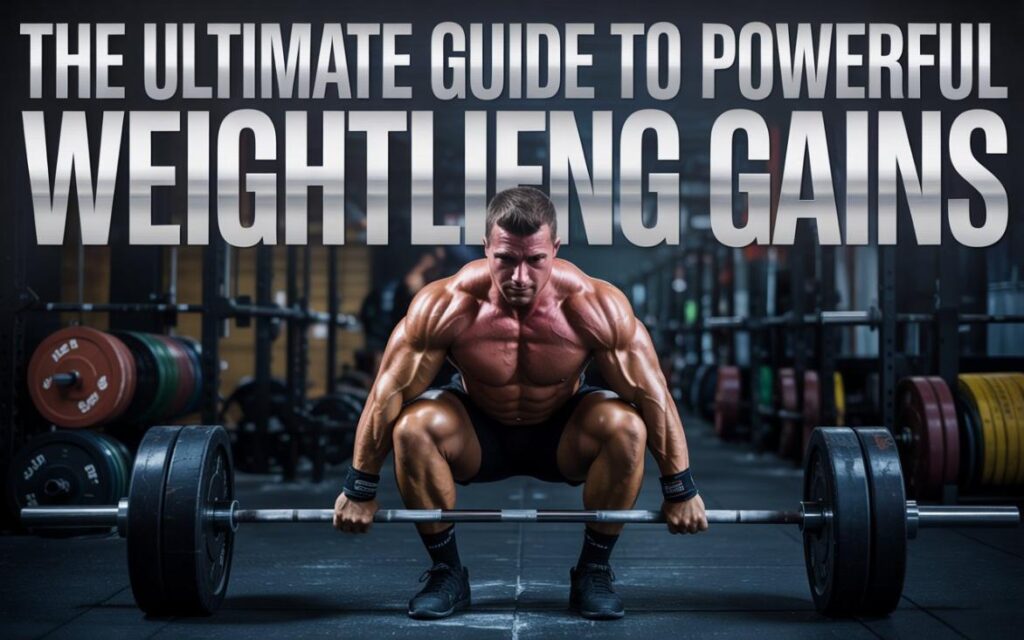
Muscle growth, or hypertrophy, occurs when muscle fibers are damaged through resistance training and then repaired stronger. The process depends on consistent training, nutrition, and recovery.
b. The Role of Progressive Overload
Progressive overload means gradually increasing the weight, reps, or intensity over time. This forces your muscles to adapt, grow, and become more powerful.
Creating Your Weightlifting Plan
a. Setting Realistic Goals
Start by setting SMART goals — Specific, Measurable, Achievable, Relevant, and Time-bound. For example, “I will bench press 200 lbs within 12 weeks” is a clear target that keeps you accountable.
b. Choosing the Right Training Split
Depending on your schedule, you can follow:
- Full-body workouts (3 days/week)
- Upper/Lower splits (4 days/week)
- Push/Pull/Legs split (6 days/week)
Pick one that fits your lifestyle and recovery ability.
Essential Weightlifting Equipment
To maximize your gains, consider these essentials:
- Barbells and Dumbbells: The foundation of strength training.
- Weight Bench: Great for pressing, curls, and support.
- Lifting Belt: Helps maintain core stability during heavy lifts.
- Resistance Bands: Useful for warm-ups and mobility work.
- Proper Shoes: Flat, stable shoes provide balance and support.
The Best Exercises for Powerful Weightlifting Gainsa. Compound Movements
These multi-joint exercises recruit multiple muscle groups and are the backbone of serious gains:
- Squats: Build lower-body strength and balance.
- Deadlifts: Develop total-body power and grip.
- Bench Press: Strengthen chest, shoulders, and triceps.
- Overhead Press: Build strong shoulders and arms.
- Pull-ups/Rows: Essential for back development.
b. Isolation Movements
After compound lifts, focus on specific muscles for definition:
- Bicep curls
- Tricep pushdowns
- Leg extensions
- Calf raises
These fine-tune your physique and correct imbalances.
Perfecting Your Weightlifting Technique
Form is everything. Never sacrifice technique for heavier weights.
Tip: Record your lifts or work with a coach to correct posture and movement. Small tweaks in grip, stance, or breathing can significantly boost performance and prevent injury.
Nutrition for Maximum Muscle Growth
a. Protein and Muscle Repair
Protein is the building block of muscles. Aim for 1.6–2.2 grams per kg of body weight daily. Great sources include chicken, eggs, fish, tofu, and Greek yogurt.
b. Carbs and Energy
Carbs fuel your training. Whole grains, rice, potatoes, and fruits replenish glycogen — your muscles’ energy reserve.
c. Healthy Fats for Hormonal Balance
Fats like avocados, nuts, olive oil, and fatty fish support testosterone and growth hormone levels, both vital for muscle gains.
The Role of Rest and Recovery
Growth happens when you rest, not when you train.
Make sure to get 7–9 hours of sleep nightly and take rest days to allow your muscles to rebuild stronger. Overtraining leads to fatigue and injury — not progress.
Avoiding Common Weightlifting Mistakes
Some of the biggest mistakes include:
- Skipping warm-ups
- Lifting too heavy too soon
- Poor nutrition or hydration
- Inconsistent routine
Remember, slow and steady wins the strength race.
Supplements for Strength and Size
While not mandatory, supplements can enhance performance:
- Creatine Monohydrate: Boosts energy for explosive lifts.
- Whey Protein: Helps meet daily protein needs.
- BCAAs: Aid muscle recovery and reduce soreness.
- Fish Oil: Supports joint health.
Tracking Your Progress and Staying Motivated
Use a workout journal or app to log your weights, reps, and notes. Watching your numbers climb week by week is incredibly motivating.
Celebrate small wins — like an extra rep or a tighter shirt sleeve!
Mental Strength and Discipline in Weightlifting

Weightlifting isn’t just physical — it’s a mental game. Stay consistent, even when motivation dips. Think of every rep as a step toward becoming your best self. The iron never lies — your results reflect your effort.
Conclusion
The Ultimate Guide to Powerful Weightlifting Gains shows that real progress is a mix of smart training, nutrition, recovery, and mindset. Every lift counts, every meal fuels growth, and every rest day builds resilience. Stay patient, stay disciplined, and the gains will follow.
FAQs
1. How often should I lift weights per week?
Most people see great results lifting 3–5 times per week depending on recovery and goals.
2. What’s better — heavy weights or high reps?
Both! Heavy weights build strength, while high reps improve endurance and muscle tone.
3. When will I start seeing results?
Visible changes usually appear after 4–8 weeks of consistent training and nutrition.
4. Can women lift weights without getting bulky?
Absolutely. Weightlifting helps women tone and sculpt — not bulk up — due to lower testosterone levels.
5. What should I eat after lifting?
A combo of protein and carbs — like chicken and rice or a protein shake with a banana — helps recovery and growth.









Leave a Comment