
Introduction
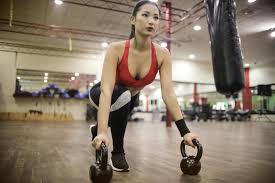
Looking to get stronger, leaner, and more athletic with minimal equipment? Then mastering kettlebell exercises is your golden ticket. Kettle-bells are not just another gym fad — they’re an ancient tool that can revolutionize your strength and conditioning routine. In this guide, we’ll explore everything you need to know about how to master kettlebell exercises safely and effectively.
What Are Kettlebell Exercises?
Kettle-bell exercises are strength and conditioning movements performed using a cast-iron weight shaped like a cannonball with a handle. Unlike dumbbells, kettle-bells shift the center of gravity away from your hand, demanding more control and stability from your muscles. This design makes them ideal for dynamic movements like swings, cleans, and snatches.
Benefits of Kettle-bell Training
3.1 Full-Body Strength Development
Every kettle-bell workout recruits multiple muscle groups. From your glutes to your shoulders, the entire body works together, making kettlebells a superior tool for functional strength.
3.2 Enhanced Fat Burning
Kettle-bell workouts combine cardio and strength training, helping you burn calories fast. A 20-minute session can torch over 400 calories while boosting your metabolism for hours after.
3.3 Improved Mobility and Stability
The dynamic nature of kettlebell exercises enhances joint flexibility and balance. Your stabilizing muscles work overtime, improving posture and coordination.
3.4 Cardiovascular Endurance
Unlike traditional weight training, kettle-bell workouts keep your heart rate elevated, giving you a cardio and resistance workout all in one.
Choosing the Right Kettlebell Weight
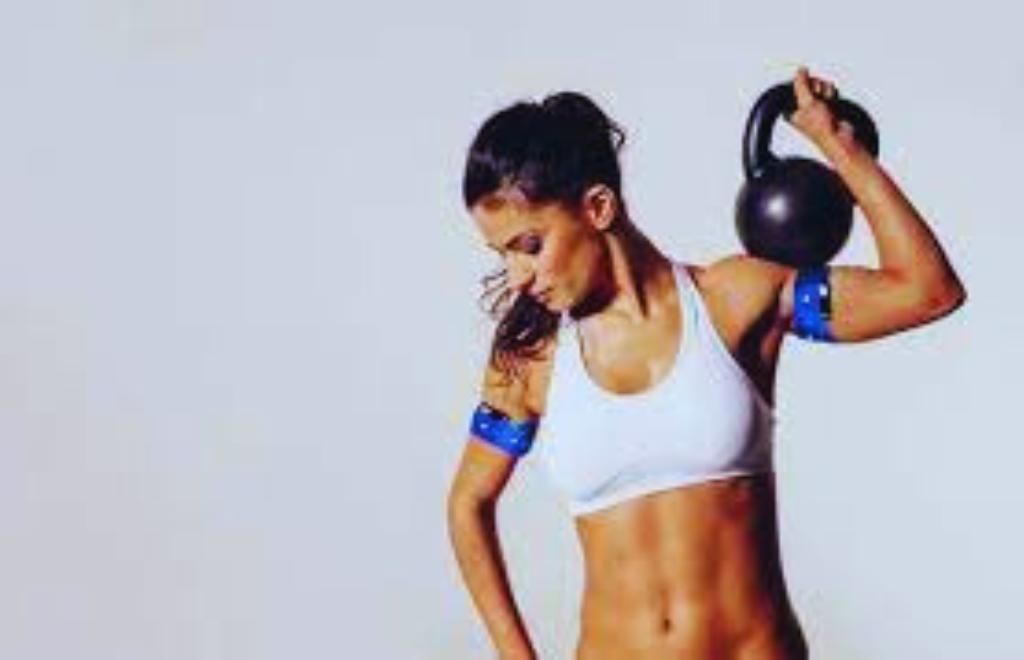
Selecting the correct weight is crucial. Beginners should start light to focus on form:
Men: 12–16 kg (26–35 lbs)
Women: 8–12 kg (18–26 lbs)
Remember — it’s not about lifting heavy; it’s about moving well. Once your form is solid, gradually increase the weight.
Kettlebell Safety Tips for Beginners
Master form before speed.
Warm up properly to prevent muscle strain.
Use flat, stable surfaces for training.
Engage your core during every movement.
Don’t overtrain. Rest is as important as lifting.
Warm-Up Before Kettlebell Workouts
A good warm-up prepares your joints and muscles for the explosive nature of kettle-bell exercises.
Try this simple routine:
Arm circles – 1 minute
Hip rotations – 1 minute
Bodyweight squats – 15 reps
Plank – 30 seconds
Light kettlebell swings – 10 reps
Top Kettle-bell Exercises for Beginners
7.1 Kettle-bell Deadlift
A foundational move that builds posterior chain strength. Keep your back straight, hinge at your hips, and lift the kettle-bell while engaging your glutes.
7.2 Kettle-bell Swing
The king of kettlebell exercises! It develops power, endurance, and coordination. Focus on hip thrusts, not arm strength.
7.3 Kettleb-ell Goblet Squat
Hold the kettlebell close to your chest and squat deeply. It enhances lower body strength and core stability.
7.4 Kettle-bell Press
Great for shoulder development and triceps. Maintain a strong core to prevent arching your back.
7.5 Kettle-bell Row
A powerful move for building a strong back. Pull the kettlebell toward your ribs while keeping your torso stable.
Intermediate Kettle-bell Exercises
8.1 Kettle-bell Clean
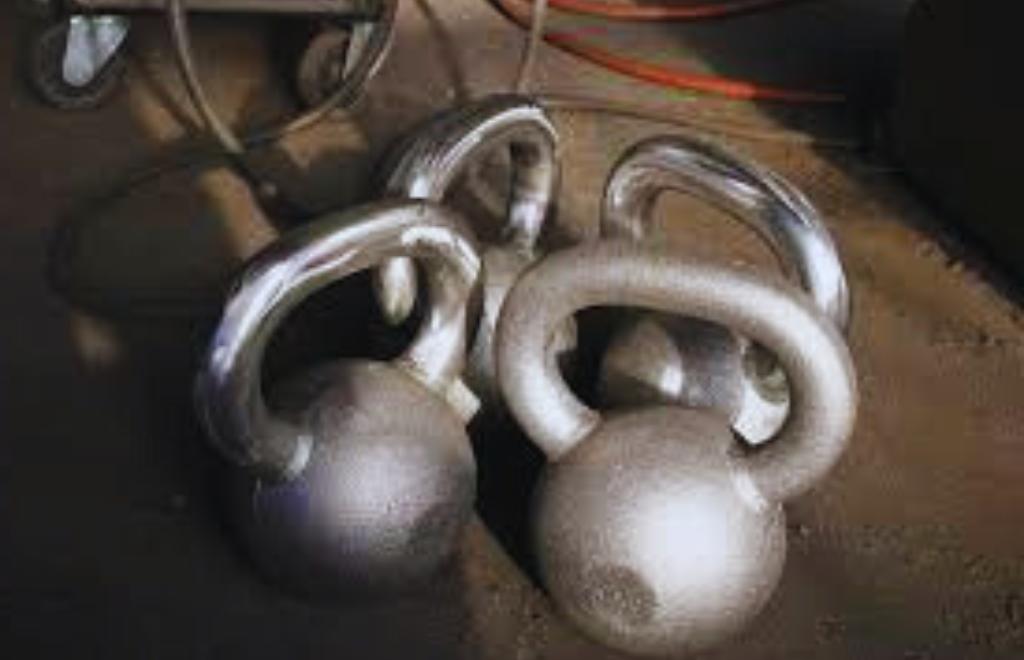
Transitions the kettle-bell from the floor to your shoulder in one fluid motion. It improves coordination and grip strength.
8.2 Kettle-bell Snatch
A full-body explosive move that boosts endurance. Perfect for advanced conditioning.
8.3 Kettle-bell Turkish Get-Up
A complex movement combining balance, coordination, and core control. It’s the ultimate functional strength exercise.
8.4 Kettle-bell Lunge Press
Combine lunging and pressing for a killer total-body challenge.
Advanced Kettle-bell Workouts
9.1 Double Kettle-bell Front Squat
Using two kettlebells increases intensity, forcing your core and legs to work harder.
9.2 Kettle-bell Complexes
Performing multiple exercises back-to-back without rest builds muscular endurance and mental toughness.
9.3 High-Intensity Kettle-bell Circuits
Alternate between strength and cardio moves for maximum fat loss and performance gains.
How to Build a Kettle-bell Workout Plan
Set your goals — strength, fat loss, or endurance.
Pick 5–6 movements combining push, pull, and lower-body exercises.
Train 3–4 times a week.
Track reps, sets, and rest periods.
A sample routine might look like this:
Swings – 20 reps
Goblet squats – 15 reps
Presses – 10 reps
Rows – 12 reps
Rest – 1 minute, repeat 4 rounds.
Common Mistakes to Avoid
Using your arms instead of hips in swings.
Rounding your back during lifts.
Ignoring mobility work.
Skipping warm-ups or cooldowns.
Correct form = better results and fewer injuries.
Nutrition Tips for Kettle-bell Athletes
Fuel your training with lean proteins, complex carbs, and healthy fats.
Pre-workout: a banana and a protein shake.
Post-workout: eggs, oats, or grilled chicken.
Stay hydrated and aim for balanced meals to recover faster.
Tracking Your Progress

Use a training journal or app to record:
Weight used
Reps and sets
Rest times
Personal records
Progress tracking keeps motivation high and helps you fine-tune your routine.
Kettle-bell Training at Home
Don’t have a gym? No problem!
A single kettlebell can give you a full-body workout right in your living room.
Ensure you have enough space and a non-slip floor surface.
Conclusion
Mastering kettle-bell exercises isn’t just about lifting weights — it’s about developing strength, control, and movement mastery. Whether you’re a beginner or a seasoned athlete, the kettle-bell can transform your fitness journey. Stay consistent, focus on form, and watch your power and endurance skyrocket!
FAQs
1. How often should I train with kettlebells?
3–4 times a week is ideal for strength and conditioning without overtraining.
2. Can kettlebell training replace the gym?
Yes! With the right plan, kettlebells offer a full-body workout from home.
3. Are kettlebell exercises good for weight loss?
Absolutely. They burn calories fast while building lean muscle.
4. What size kettlebell should I start with?
Start light — 8–12 kg for women, 12–16 kg for men — and increase gradually.
5. Do I need a trainer to learn kettlebells?
Not necessarily, but guidance from a certified coach can help ensure proper form and prevent injuries







Leave a Comment