

Your reflection doesn’t lie. Once upon a time, those arms carried confidence, your back stood proud, and your walk echoed vitality. Now, something feels off. Your muscles seem softer, your energy dimmer, and your body—once your proudest armor—feels foreign.
You tell yourself it’s aging, maybe stress, or “just life.” But the truth is more intricate. Your body is sending quiet signals that it’s losing strength—not just in form, but in function. And the good news? You can reverse it, faster than you think.
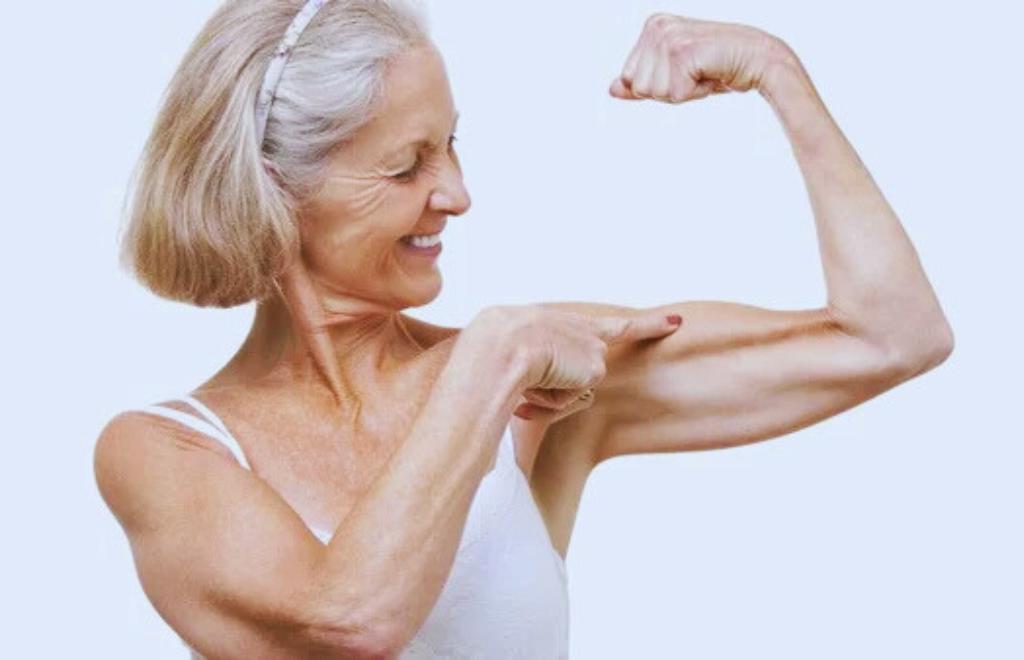
The Hidden Thief: Why Muscle Loss Happens
Muscle loss, or atrophy, is like a silent erosion. It doesn’t roar—it whispers. It begins when movement fades, nutrition weakens, or stress rules your body. With each passing week of inactivity or poor diet, your muscles quietly surrender their strength.
Think of your muscles as engines—they need fuel, work, and maintenance. Without them, the machine weakens, rusts, and eventually stalls.
Main Causes of Muscle Shrinkage of Focused
-
- Inactivity – Sitting too long or skipping workouts makes muscles forget their purpose.
-
- Low Protein Intake – Without enough amino acids, your body can’t rebuild or repair.
-
- Hormonal Changes – Declines in testosterone, growth hormone, and thyroid levels slow muscle synthesis.
-
- Poor Sleep and Stress – Cortisol rises, tearing down muscle while halting growth.
-
- Aging (Sarcopenia) – Your body naturally loses up to 3–8% of muscle mass per decade after 30.
The Emotional Weight of Muscle Loss
Losing muscle isn’t just a physical decline—it’s an emotional one.
You begin to feel less alive, your stamina fades, and even simple tasks start to feel harder. The mental fog, the frustration, the quiet sadness—it’s not vanity, it’s biology whispering “wake up.”
The beauty of it all? Your body wants to fight back. It’s built to heal, to grow, to rise again.
Power Keys to Rebuild and Reignite Your Strength
1. Move with Purpose
Movement is medicine. Strength training, resistance bands, bodyweight exercises—each rep sends your body the signal: “Grow again.”
Even 30 minutes of resistance work, three times a week, can awaken dormant muscle fibers.
2. Eat for Power, Not Just Pleasure
Fuel your body like a fortress.
-
- Protein: Lean meat, fish, eggs, beans, tofu.
-
- Carbs: Whole grains, fruits, vegetables for steady energy.
-
- Fats: Avocado, olive oil, nuts for hormone balance.
 Tip: Spread protein evenly throughout the day—your muscles respond better to consistency than overload.
3. Sleep Like It’s Sacred
During deep sleep, your body releases growth hormone, repairing tissue and rebuilding strength. Missing sleep is like skipping the most vital workout of the day.
Aim for 7–9 hours, in total darkness and peace.
4. Manage Stress Before It Manages You
Cortisol, the stress hormone, devours muscle like fire to paper. Counter it with calm—yoga, meditation, nature walks, or simply deep breathing. A calm mind builds a stronger body.
5. Stay Hydrated, Stay Strong
Muscles are nearly three-fourths water. Dehydration shrinks strength and slows recovery. Keep your body flooded with hydration—it’s your simplest, most overlooked power key.
6. Supplement Smartly, Not Blindly
Creatine, omega-3s, and vitamin D have proven muscle-boosting benefits. But avoid miracle pills—muscle revival comes from dedication, not shortcuts.
The Mind-Muscle Revival
Rebuilding muscle is more than physical. It’s emotional resurrection.
Each rep whispers resilience, each bead of sweat rewrites your story.
You’re not just lifting weights—you’re lifting yourself back to life.
Remember: strength isn’t measured by muscle alone. It’s the courage to begin again, even after you’ve fallen.

Avoiding the Quick-Fix Mirage
Instant transformations are a lie. True power is built, not bought.
Be patient with your body—it’s remembering what you once taught it: discipline, endurance, pride.
Consistency, not intensity, is the real secret. Even 15 minutes a day is a promise your body will reward.
Final Words: Your Comeback Begins Now
Muscle loss isn’t the end—it’s your invitation to restart.
Your body is capable of rebirth. Within weeks, you’ll feel it—energy rising, posture straightening, strength whispering, “I’m back.”
Don’t let time or fear steal what’s yours.
You are stronger than your weakest moment.
You are built to rebuild.
Frequently Asked Questions (FAQ)
Can I regain lost muscle after years of inactivity?
Absolutely. Muscle memory is real. Once you reintroduce movement and proper nutrition, your body responds quickly—often faster than the first time you trained.
How long does it take to see results?
Visible strength and size improvements usually appear within 4–8 weeks of consistent effort. But energy, sleep, and mood improve within days.
Do I need to lift heavy weights?
Not necessarily. Even moderate resistance—like resistance bands or light dumbbells—can stimulate muscle growth if done consistently.
Can diet alone stop muscle loss?
No. Nutrition fuels growth, but resistance training activates it. You need both food and movement to rebuild effectively.
Is muscle loss reversible after 50?
Yes! With regular strength training, protein-rich meals, and proper rest, older adults can regain significant muscle mass and improve overall health.
6. What’s the best protein source for muscle repair?
Animal-based proteins like chicken, fish, eggs, and dairy are complete sources. For vegetarians, combine lentils, beans, tofu, and quinoa for a full amino acid profile.
Why do I lose muscle when I diet?
If you cut calories too drastically, your body starts breaking down muscle for energy. Always include sufficient protein and pair dieting with strength training.
How can I tell if I’m losing muscle instead of fat?
Signs include weakness, fatigue, sagging skin, slower metabolism, and a softer look despite “losing weigw
9. How much protein do I really need?
Aim for 1.2–2.0 grams of protein per kilogram of body weight daily, depending on your activity level and goals.
What’s the first step I should take right now?
Start moving. Walk, stretch, lift, breathe. Do something today—no matter how small—to tell your body you’re ready to rise again.
 Your Strength Isn’t Gone—It’s Waiting for You to Wake It Up
Your body remembers. Your spirit remembers.
Now it’s your turn to remind them both who you truly are—
Powerful. Capable. Unbreakable.






24 Comments
“Exactly—it matters a lot. Flexibility is about how far a muscle can stretch, while mobility is about how much control and strength you have at that stretched position. You can be flexible without being mobile, but true movement quality comes from having both.”
“That’s where most people fail. They struggle to keep enough muscle mass for strength while also handling the high training volume needed to build real endurance.”
When the heart can’t pump enough blood, muscles and tissues receive less oxygen, causing constant tiredness and weakness—even after proper rest.
“This single exercise correctly engages multiple muscle groups, increases endurance, and triggers calorie burn, making it ideal for rapid body changes.”
“Muscle boosts your metabolism, even at rest. Adding muscle can help you burn significantly more calories.”
“Walking helps your intestinal muscles contract, which aids digestion and reduces bloating.”
“These movements engage major muscle groups to enhance overall strength and conditioning, while mimicking the natural body mechanics you use every day.”
“Your body adapts fast, so changing routines every few weeks keeps your muscles challenged. But variation must be strategic — random workouts won’t bring progress. Smart variation remains one of the Top Body Builder Power Tricks to Transform Your Physique.”
“Understood. I’ll make sure to prep some chicken and eggs for my post-workout meals.”
“Got it. I’m heading to the grocery store now to stock up.”
“Will do. Is there a specific amount of protein I should aim for per meal?”
“Focus on a balanced diet rich in micronutrients, healthy fats, and complex carbs. Stay hydrated and consume a protein-rich meal post-workout to aid muscle recovery and growth and replenish your glycogen stores.”