
In an era of convenience, we have traded our health for shelf-life. Ultra-processed products, often disguised as “food,” have replaced the ancestral nourishment our bodies crave. Shifting to a real food diet isn’t just a trend; it’s a biological homecoming. This comprehensive guide explores how to eliminate “fake meals” and embrace a lifestyle that fosters longevity, mental clarity, and metabolic health.
The Crisis of the Ultra-Processed World
The modern supermarket is a minefield of chemical additives, inflammatory oils, and refined sugars. These “fake meals” are designed by food scientists to hit our “bliss point”—a specific ratio of salt, sugar, and fat that overrides our satiety signals. When you commit to a real food diet, you are breaking a cycle of addiction that leads to chronic inflammation and weight gain.
Transitioning to whole foods means choosing ingredients that have one name: apple, egg, steak, or broccoli. By removing the industrial processing, you provide your cells with the micronutrients they need to function at a peak level.
Identify the “Franken-Foods” in Your Pantry
The first step to transforming your life is a radical audit of your kitchen. “Fake meals” often hide behind health claims like “low-fat” or “heart-healthy.”
- The Red Flags: If an item has more than five ingredients or contains words you can’t pronounce (like azodicarbonamide or high fructose corn syrup), it’s not real food.
- The Shelf-Life Test: Real food is meant to rot. If a loaf of bread can sit on your counter for three weeks without molding, it is packed with preservatives that disrupt your gut microbiome.
Embracing a real food diet starts with reclaiming your kitchen from industrial chemistry.
The Ancestral Protein Foundation
Protein is the building block of life, but not all protein is created equal. Fake meals often use soy protein isolates or “pink slime” fillers. On a real food diet, you prioritize high-quality, bioavailable proteins.
- Sourcing Matters: Opt for grass-fed beef, wild-caught fish, and pasture-raised eggs. These contain higher levels of Omega-3 fatty acids and fat-soluble vitamins (A, D, E, K) compared to their factory-farmed counterparts.
- The Satiety Factor: Real protein triggers the release of peptide YY, the hormone that tells your brain you are full. This prevents the overeating common with processed carbohydrates.
Embrace Earth-Grown Carbohydrates
Carbs are not the enemy; processing is. A real food diet replaces refined flours and bleached grains with complex carbohydrates that come directly from the earth.
- Root Vegetables: Sweet potatoes, carrots, and beets provide stable energy without the massive insulin spikes of white bread.
- Seasonal Fruits: Berries and citrus provide antioxidants that combat oxidative stress.
- The Rule of Fiber: Nature packages sugar with fiber. When you eat an orange, the fiber slows the absorption of fructose. When you drink “fake” orange juice, you are getting a sugar hit similar to soda.
Healing with Functional Fats
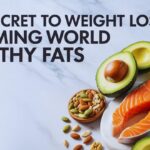
For decades, we were told fat was the villain. We replaced butter with margarine—a “fake meal” staple. We now know that healthy fats are essential for hormone production and brain health.
A real food diet focuses on:
- Cold-Pressed Oils: Extra virgin olive oil and avocado oil.
- Animal Fats: Tallow, lard, and grass-fed butter (Ghee).
- Nuts and Seeds: Raw walnuts, chia seeds, and flaxseeds.
These fats help absorb nutrients and keep your cell membranes fluid and healthy.
The Gut-Brain Connection: Fermented Wisdom
Your gut is your “second brain.” Processed foods act like bleach to your intestinal flora. To truly transform your life, you must incorporate “living” foods into your real food diet.
Traditional fermented foods like unpasteurized sauerkraut, kimchi, and kefir are rich in probiotics. These beneficial bacteria improve digestion, boost the immune system, and even regulate mood by producing serotonin in the gut.
Mastering the “Perimeter” Shopping Strategy
Most “fake meals” live in the middle aisles of the grocery store. To succeed with a real food diet, spend 90% of your time on the perimeter. This is where the fresh produce, the butcher counter, and the refrigerated healthy fats reside. If it comes in a box with a cartoon mascot, it likely doesn’t belong in your cart.
Hydration: Beyond the “Liquid Calories”
A massive portion of the modern diet consists of “fake drinks”—sodas, energy drinks, and flavored coffees. These are liquid metabolic disruptors.
On a real food diet, your primary beverage is water. If you need variety, turn to:
- Herbal Teas: Hibiscus, ginger, or peppermint.
- Bone Broth: A nutrient-dense liquid gold rich in collagen and minerals.
- Mineral Water: Natural carbonation with essential electrolytes.
The 80/20 Persistence Rule
Transformation is about consistency, not perfection. While the goal is a 100% real food diet, the “all-or-nothing” mentality often leads to burnout.
Aim for 80-90% whole foods. This allows for social situations and flexibility while ensuring your biological foundation remains rock-solid. When you eat real food most of the time, your body becomes resilient enough to handle the occasional industrial treat without a total metabolic crash.
Reclaim Your Biological Compass – The Mind-Body Reset
Transitioning to a real food diet requires more than just changing your grocery list; it requires a complete recalibration of how your brain perceives hunger. In the world of “fake meals,” our internal satiety signals have been hijacked by hyper-palatable chemicals designed to keep us eating long after we are full.
To succeed, you must learn to distinguish between “tongue hunger”—the craving for a specific chemical hit—and “cellular hunger”—your body’s genuine need for nutrients.
The mental game of a real food diet is won by slowing down. When you eat whole, unprocessed foods, your hormones like leptin and cholecystokinin (CCK) finally have a chance to communicate clearly with your brain. By practicing mindful consumption—chewing thoroughly and eating without the distraction of screens—you allow these biological signals to catch up with your appetite.
Instead of viewing this shift as a battle of willpower, reframe it as an act of self-respect. You aren’t “denying” yourself a processed snack; you are “choosing” a level of mental clarity and physical energy that “fake meals” simply cannot provide.
Once you master this psychological pivot, the cravings lose their power, and the real food diet stops being a “task” and starts being your natural state of existence
Low-Temperature Cooking for Nutrient Retention
How you prepare your food is as important as what you buy. High-heat frying in seed oils creates acrylamides and oxidized fats. To maximize a real food diet, utilize:
- Steaming and Poaching: Preserves delicate vitamins.
- Slow Cooking: Breaks down tough fibers and collagen in meats.
- Raw Consumption: Eating sprouts and greens in their natural state for enzyme activity.
Consultation: Navigating Your Transition
Switching to a real food diet can lead to significant changes in your body’s chemistry. If you are currently managing chronic conditions such as hypertension, kidney disease, or autoimmune disorders, a professional consultation is highly recommended.
A clinical nutritionist or functional medicine practitioner can help you tailor your “Real Food” intake to your specific bio-individuality. For example, some individuals may require lower lectin intake, while others may need more complex starches for thyroid health. Always seek professional guidance when making major shifts in your nutritional framework to ensure a safe and sustainable transition.
Frequently Asked Questions (FAQ)
Is a real food diet more expensive than a processed diet?
Initially, it may seem so. However, when you factor in the high nutrient density (you eat less because you are more satisfied) and the long-term savings on healthcare, it is far more economical. Buying in bulk and seasonally also reduces costs.
Can I eat grains on a real food diet?
Yes, provided they are whole and traditionally prepared. Think sprouted quinoa, wild rice, or sourdough bread made with just flour, water, and salt.
How soon will I see results?
Most people report improved energy and better digestion within 7 days. Weight loss and skin clarity typically follow within 3 to 4 weeks of consistent effort.
Is “Organic” mandatory for a real food diet?
While organic is better for avoiding pesticides, eating a “conventional” broccoli stalk is still infinitely better for you than eating a “processed” snack cake. Focus on “whole” first, “organic” second.
How do I handle eating out at restaurants?
Look for simple preparations. Order grilled proteins and double vegetables. Ask the server to swap out seed-oil dressings for olive oil and lemon.
Conclusion
The journey to “Stop Fake Meals” is a journey back to vitality. By adopting a real food diet, you are voting with your fork for a future of health rather than a future of chronic illness. It requires a shift in mindset and a bit of planning, but the rewards—boundless energy, a sharp mind, and a body that feels like home—are immeasurable. Start your transformation today; your body is waiting for real nourishment.






Leave a Comment