
Introduction to Overthinking
What Does Overthinking Really Mean?
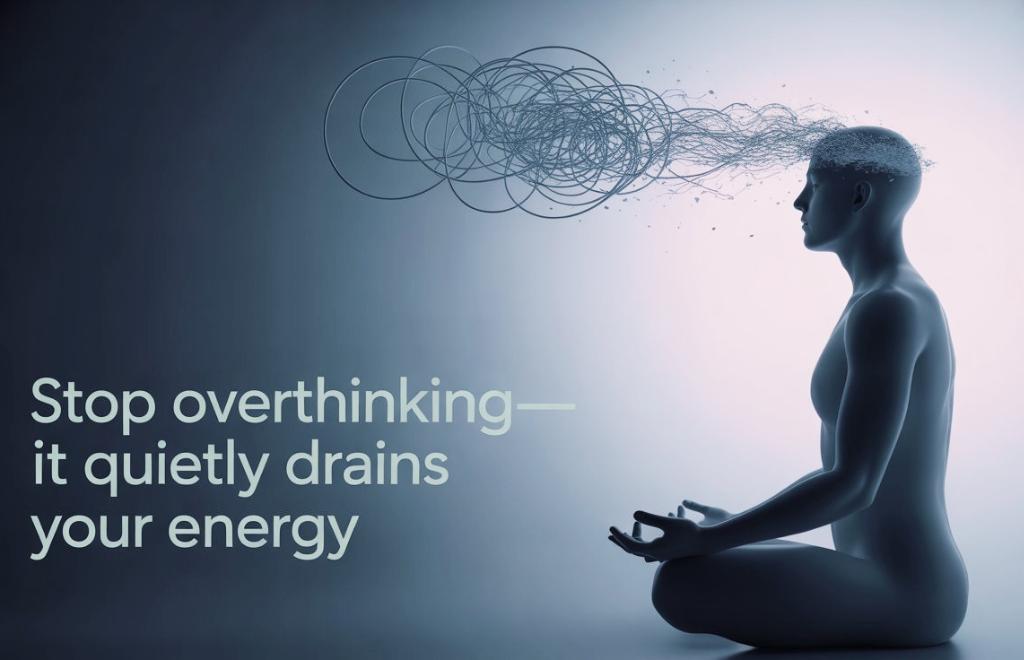
Overthinking is like being trapped in a maze where every turn leads to another question, another doubt, another “what if.” It’s not just thinking deeply—it’s thinking excessively, repeatedly, and often negatively. You replay conversations in your head, analyze decisions long after they’ve passed, and imagine outcomes that may never happen.
At first, it feels like you’re trying to solve problems or protect yourself, but slowly, it becomes a habit that consumes your mental space. The truth is, overthinking doesn’t solve most problems—it amplifies them. It stretches small concerns into overwhelming fears, making everything feel heavier than it really is.
What makes overthinking even more dangerous is how subtle it is. You don’t notice it draining you right away. It creeps in during quiet moments, before sleep, or when you’re alone. Over time, your mind becomes cluttered, and your energy feels depleted without any clear reason. You may think you’re being cautious or responsible, but in reality, you’re exhausting your mental resources. Understanding this pattern is the first step toward breaking free from it.
Why It Feels So Hard to Stop
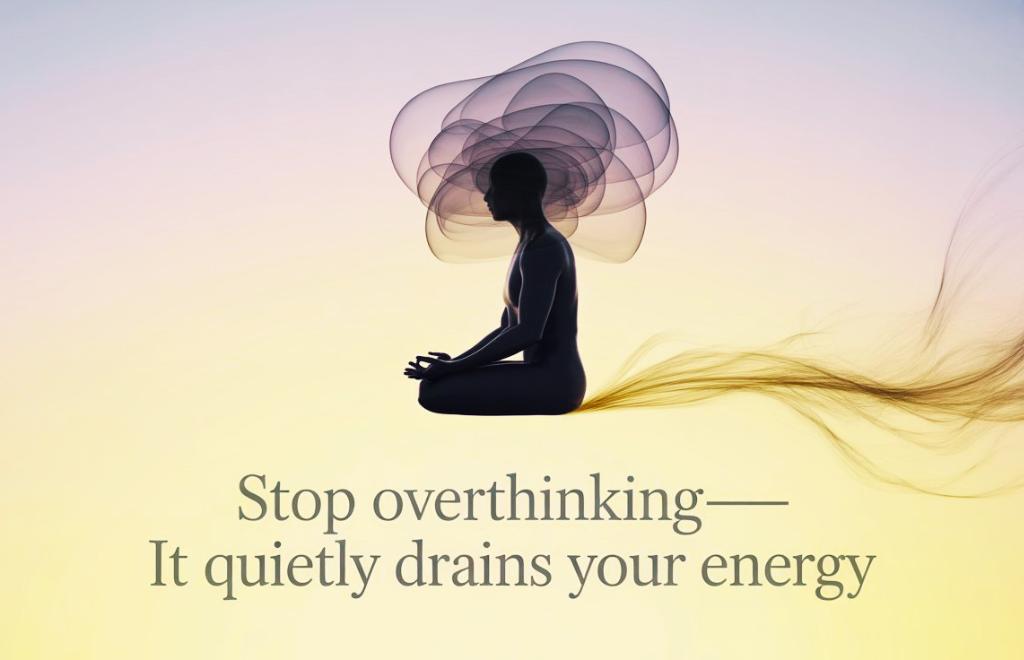
Stopping overthinking isn’t easy because your brain believes it’s helping you. It treats overthinking as a protective mechanism—like a shield against mistakes or failure. When you overanalyze situations, your mind feels in control, even if that control is an illusion. This is why simply telling yourself to “stop thinking” doesn’t work. Your brain resists because it thinks it’s keeping you safe.
There’s also an emotional attachment to overthinking. You may feel that if you stop analyzing everything, something bad might happen. That fear keeps the cycle alive. It becomes a loop—thoughts create anxiety, anxiety creates more thoughts, and the cycle continues. Breaking this loop requires more than willpower; it requires awareness, practice, and a shift in mindset. Once you recognize that overthinking is draining rather than protecting you, you can begin to take back control.
The Hidden Cost of Overthinking
Mental Exhaustion and Burnout
Overthinking is like running a marathon inside your head without ever reaching the finish line. Your brain is constantly active, processing scenarios, predicting outcomes, and revisiting the past. This nonstop mental activity leads to exhaustion. You may wake up tired even after a full night’s sleep because your mind never truly rested.
Over time, this mental fatigue turns into burnout. You lose motivation, struggle to focus, and feel overwhelmed by even small tasks. It’s not because you’re lazy—it’s because your mental energy has been drained. Think of your brain as a battery. Overthinking keeps it running at full power all the time, leaving no room to recharge. Eventually, you feel depleted, and everything becomes harder than it should be.
Emotional Drain and Anxiety
Overthinking doesn’t just affect your mind—it impacts your emotions deeply. When you constantly replay negative thoughts, your brain starts to believe them. You begin to feel anxious, worried, and sometimes even hopeless. Small problems feel massive because you’ve analyzed them from every possible angle, often focusing on the worst outcomes.
This emotional drain can affect your relationships, work, and overall happiness. You may find yourself avoiding decisions or situations because you fear making the wrong choice. Over time, this anxiety becomes a constant companion, making it difficult to enjoy the present moment. The energy you could have used to live, create, and connect is instead consumed by endless thoughts.
Why Your Brain Keeps Overthinking
Fear of Uncertainty
One of the biggest reasons behind overthinking is fear—especially the fear of the unknown. Your brain craves certainty. It wants to know what will happen, how things will turn out, and how to avoid pain. When it doesn’t have clear answers, it starts creating scenarios to fill the gaps.
This is where overthinking begins. You try to predict every possible outcome, hoping to prepare yourself. But instead of finding clarity, you end up with more confusion. The irony is that life is inherently uncertain, and no amount of thinking can change that. Accepting uncertainty is challenging, but it’s also freeing. It allows you to let go of the need to control everything.
The Need for Control
Overthinking often stems from a desire to control situations. You believe that if you think enough, analyze enough, and plan enough, you can prevent mistakes or failures. While planning is useful, overthinking takes it to an extreme.
The need for control creates pressure. You feel responsible for every outcome, even those beyond your control. This pressure leads to stress and constant mental activity. Learning to let go of this need doesn’t mean giving up—it means trusting yourself to handle whatever comes your way without overanalyzing every detail.
Signs You Are Overthinking Too Much
Constant Worry Loops
One clear sign of overthinking is getting stuck in worry loops. You think about the same issue repeatedly without reaching a solution. It feels like you’re moving forward, but in reality, you’re going in circles.
These loops often happen at night when everything is quiet. Your mind becomes louder, bringing up past mistakes or future fears. Recognizing this pattern is important because it helps you understand when your thinking is no longer productive.
Difficulty Making Decisions
Overthinking makes decision-making incredibly difficult. You weigh every option, consider every possible outcome, and still feel unsure. Even simple choices become overwhelming because you fear making the wrong decision.
This hesitation can hold you back in life. Opportunities pass by because you’re stuck analyzing instead of acting. The truth is, most decisions don’t require perfect answers—they require action. Letting go of the need for perfection can help you move forward.
How Overthinking Quietly Destroys Your Energy
Sleep Disruption
Overthinking often shows up when you’re trying to rest. You lie in bed, replaying conversations or worrying about tomorrow. Your body is ready to sleep, but your mind refuses to slow down.
This lack of rest affects your energy levels the next day. You feel tired, irritable, and less focused. Over time, poor sleep becomes a pattern, further draining your energy and affecting your overall health.
Reduced Productivity
When your mind is cluttered with thoughts, it becomes difficult to focus on tasks. You may start something but quickly get distracted by your thoughts. This reduces your productivity and makes even simple tasks feel overwhelming.
Instead of using your energy to create or achieve, you’re using it to think excessively. This not only affects your work but also your confidence. You may start doubting your abilities, which feeds back into the cycle of overthinking.
The Science Behind Overthinking
Brain Activity and Stress Hormones
Overthinking activates the brain’s stress response. It increases the production of cortisol, the hormone responsible for stress. When cortisol levels remain high, your body stays in a constant state of alertness.
This affects not just your mental health but also your physical well-being. You may experience headaches, muscle tension, and fatigue. Understanding this connection helps you see that overthinking isn’t just a mental habit—it’s a physical strain on your body.
Cognitive Overload Explained
Your brain has a limited capacity for processing information. When you overthink, you overload this capacity. It’s like trying to run too many apps on a phone—it slows down and eventually crashes.
Cognitive overload makes it difficult to concentrate, remember things, or make decisions. By reducing unnecessary thoughts, you free up mental space, allowing your brain to function more effectively.
Practical Ways to Stop Overthinking
Awareness and Mindfulness
The first step to stopping overthinking is awareness. You need to notice when your thoughts are becoming excessive. Mindfulness helps you stay present and observe your thoughts without getting lost in them.
Simple practices like focusing on your breath or paying attention to your surroundings can bring you back to the present moment. This breaks the cycle of overthinking and helps you regain control.
Limiting Negative Thought Patterns
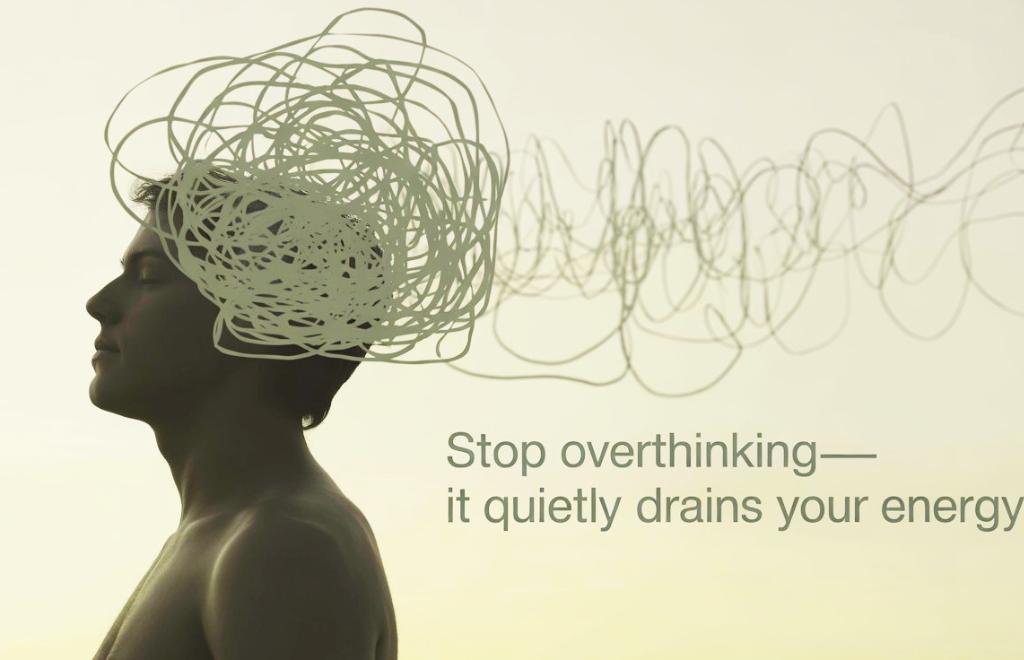
Not all thoughts are helpful. Learning to challenge negative thoughts can reduce overthinking. Ask yourself: “Is this thought useful? Is it based on facts or assumptions?”
By questioning your thoughts, you create distance from them. This makes it easier to let go of those that don’t serve you.
Simple Daily Habits to Reduce Overthinking
Journaling Your Thoughts
It helps you release them instead of keeping them trapped in your mind. Journaling allows you to see your thoughts clearly and understand them better.
When you put your thoughts on paper, they often lose their intensity. This simple habit can bring clarity and reduce mental clutter.
Physical Movement and Relaxation
Your body and mind are connected. Physical activities like walking, stretching, or exercising can help reduce overthinking. Movement releases tension and improves your mood.
Relaxation techniques like deep breathing or meditation can also calm your mind. These practices create space between you and your thoughts, allowing you to feel more at ease.
Consultation Approach: When to Seek Help
Professional Guidance
Sometimes, overthinking becomes overwhelming and difficult to manage on your own. Seeking professional help can provide valuable support. Therapists and counselors can help you understand your thought patterns and develop strategies to manage them.
There’s no shame in asking for help. In fact, it’s a sign of strength. Professional guidance can offer clarity and tools that you may not find on your own.
Therapy and Counseling Benefits
Therapy provides a safe space to explore your thoughts and emotions. It helps you identify the root causes of overthinking and address them effectively.
Counseling can also teach you coping mechanisms, such as cognitive behavioral techniques, to break the cycle of overthinking. Over time, these tools can help you regain control and improve your overall well-being.
Reclaim Your Energy and Peace
Building Mental Strength
Stopping overthinking requires practice and patience. It’s about building mental strength and learning to let go of unnecessary thoughts. This doesn’t happen overnight, but with consistent effort, it becomes easier.
You start to trust yourself more, rely less on overanalysis, and feel more confident in your decisions. This shift brings a sense of freedom and lightness.
Living in the Present Moment
Overthinking pulls you away from it, trapping you in the past or future. By focusing on the present, you can experience life more fully.
Letting go of overthinking doesn’t mean you stop caring—it means you start living. You use your energy to create, connect, and grow instead of worrying endlessly.
Conclusion
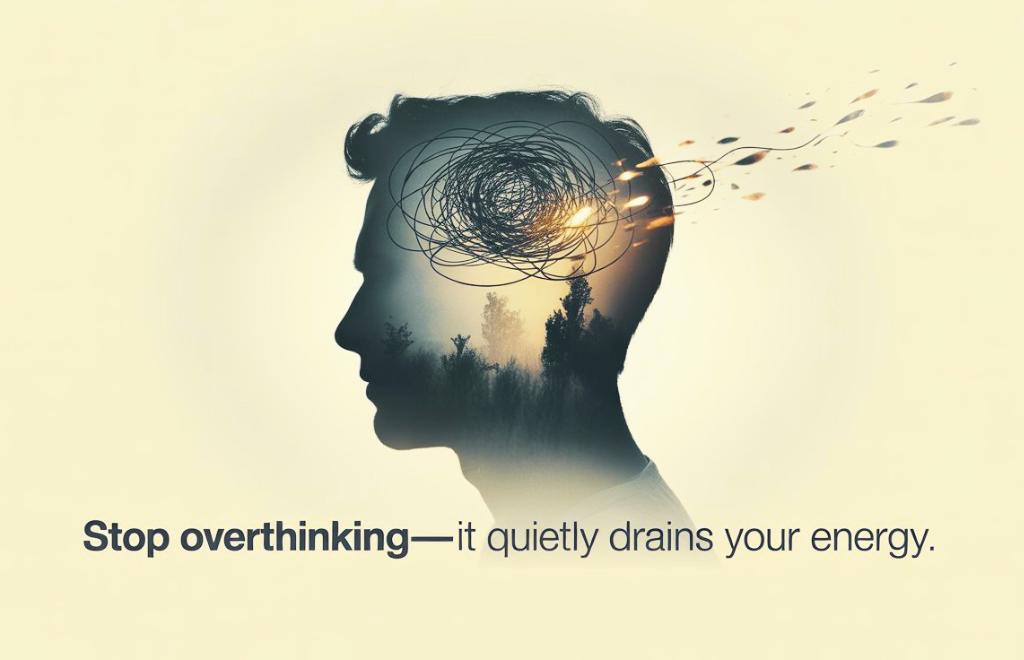
Overthinking may feel harmless at first, but it quietly drains your energy, steals your peace, and holds you back from living fully. By understanding your thought patterns, practicing mindfulness, and building healthy habits, you can break free from this cycle. Your energy is valuable—don’t let it be consumed by endless thoughts. Choose clarity, choose peace, and most importantly, choose to live in the present.
FAQs
What causes overthinking the most?
Overthinking is mainly caused by fear, uncertainty, and the need for control. Past experiences and anxiety also play a big role.
Can overthinking affect physical health?
Yes, it can lead to stress, poor sleep, headaches, and fatigue due to increased cortisol levels.
How can I stop overthinking at night?
Practice relaxation techniques like deep breathing, journaling, and avoiding screens before bed
Is overthinking a mental illness?
Not necessarily, but it can be linked to anxiety and stress-related conditions if it becomes severe.
How long does it take to stop overthinking?
It varies for each person, but with consistent practice, you can see improvement within weeks.










Leave a Comment