
Introduction to Cryotherapy
Modern wellness trends constantly evolve, but few therapies have captured global attention like cryotherapy. From professional athletes to wellness enthusiasts, people are turning to extreme cold therapy to improve recovery, enhance physical performance, and promote overall health. Cryotherapy, in simple terms, involves exposing the body to extremely cold temperatures for a short time. These temperatures can drop as low as –110°C to –140°C in whole-body cryotherapy chambers, usually for about two to four minutes.
Why would anyone willingly step into such freezing conditions? The answer lies in how the human body reacts to cold stress. When exposed to intense cold, the body triggers powerful physiological responses designed to protect vital organs and maintain internal balance. Blood vessels constrict, inflammation decreases, and hormones such as endorphins and adrenaline surge through the bloodstream. These changes can reduce pain, boost mood, and accelerate healing.
The origins of cryotherapy date back to the late 1970s in Japan, where it was initially used to treat rheumatoid arthritis. Since then, it has expanded into sports medicine, dermatology, and wellness therapy. Today, clinics around the world offer cryotherapy for muscle recovery, skin treatment, and chronic pain management. Research shows that cold exposure may reduce inflammation, slow nerve conduction, and lower oxidative stress in the body.
This article explores 10 powerful cryotherapy secrets that reveal how this cold therapy can help transform your health. By the end, you will understand the science behind cryotherapy, its potential benefits, and how it might support your journey toward better physical and mental wellness.
What Is Cryo-therapy and Why Is It Trending
Cryotherapy has become one of the most talked-about therapies in modern wellness. Fitness centers, sports clinics, and luxury spas now offer cryotherapy sessions as part of recovery programs. The main reason for its popularity is its potential to provide fast and natural healing effects without invasive procedures.
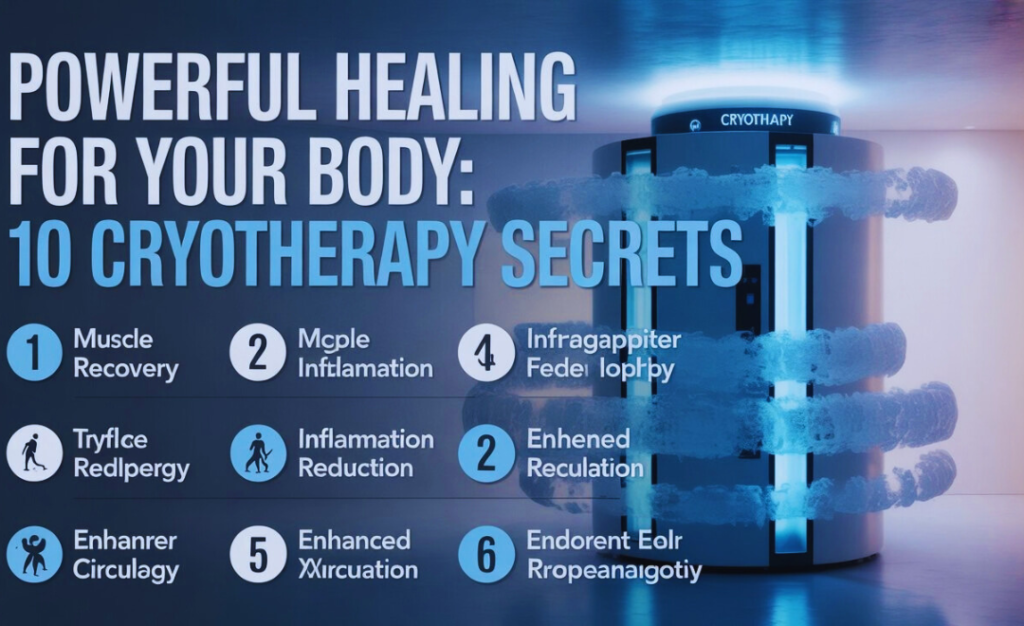
At its core, cryotherapy is a treatment that uses extreme cold to stimulate the body’s natural healing mechanisms. It can be applied in several ways. Local cryotherapy focuses on a specific area of the body, such as a sore muscle or inflamed joint. Whole-body cryotherapy, on the other hand, involves standing inside a specialized chamber where extremely cold air surrounds the body for a few minutes. Athletes commonly use this technique after intense workouts to accelerate recovery.
When the body is exposed to extreme cold, it reacts quickly. Blood vessels tighten in a process called vasoconstriction, which reduces blood flow to the skin and extremities. This response helps reduce swelling and inflammation in injured tissues. Once the session ends and the body warms up, blood flow increases again, delivering oxygen and nutrients to muscles and tissues for faster healing.
Cryo-therapy is trending because it aligns with the modern demand for natural recovery methods. People are increasingly looking for non-drug solutions for pain relief, stress reduction, and physical performance. Cold therapy offers a quick, science-supported way to stimulate the body’s natural repair processes.
The Science Behind Cryotherapy
The effectiveness of cryo-therapy comes from the body’s natural survival mechanisms. When exposed to extremely cold temperatures, the nervous system activates a protective response often referred to as the fight-or-flight reaction. This response stimulates the release of hormones like noradrenaline and endorphins, which help reduce pain and improve mood.
During cryotherapy sessions, the skin temperature drops rapidly, but the body’s core temperature remains stable. This sudden cold exposure triggers the narrowing of blood vessels and reduces the release of inflammatory chemicals in the body. As a result, swelling and muscle soreness decrease significantly.
Researchers also found that cryotherapy may improve the body’s antioxidant defense system. When the body rewarms after a session, blood vessels expand again, sending oxygen-rich blood throughout the body. This circulation helps flush out metabolic waste products that accumulate after intense exercise or injury.
Cold exposure also slows nerve conduction. This means pain signals travel more slowly through the nervous system, producing a numbing effect similar to applying ice to an injury.
Because of these combined physiological responses, cryotherapy can support muscle recovery, reduce inflammation, and promote faster healing after physical stress or injury.
Secret 1 – Cryo-therapy Reduces Inflammation Naturally
One of the biggest secrets behind cryotherapy’s healing power is its ability to reduce inflammation naturally. Inflammation is the body’s natural response to injury or infection, but chronic inflammation can lead to long-term health problems such as arthritis, muscle pain, and fatigue.
Cryotherapy helps control inflammation by narrowing blood vessels and slowing metabolic activity in tissues. This process reduces the production of inflammatory molecules and prevents excessive swelling in injured areas. Once the body warms up again, improved blood flow helps remove damaged cells and toxins.
Studies show that cold exposure can lower oxidative stress levels and reduce inflammatory markers in the body. These changes may help people recover faster from injuries and intense physical training.
For athletes and active individuals, inflammation often occurs after strenuous workouts. Cryotherapy provides a quick solution by calming inflamed muscles and joints. Many professional sports teams incorporate cryotherapy sessions into their recovery programs to maintain peak performance.
Reducing inflammation also plays a crucial role in preventing chronic pain conditions. By regularly controlling inflammation levels, cryotherapy may support long-term joint health and overall physical well-being.
Secret 2 – Faster Muscle Recovery for Athletes
Athletes around the world rely on cryotherapy to recover faster after intense physical activity. Muscle soreness after exercise, known as delayed onset muscle soreness (DOMS), occurs when muscle fibers experience microscopic damage during training.
Cryotherapy can significantly reduce muscle soreness by decreasing inflammation and improving blood circulation. When muscles are exposed to extreme cold, the body temporarily slows metabolic processes in the affected tissues. This helps limit muscle damage and swelling after exercise.
Once the body begins to warm up, blood flow increases dramatically, delivering oxygen and nutrients needed for muscle repair. This circulation surge can accelerate the recovery process and help athletes return to training sooner.
Research suggests that post-exercise cold therapy may reduce muscle soreness and improve overall performance.
Because of these benefits, cryotherapy has become a popular recovery tool for professional athletes, fitness enthusiasts, and people with physically demanding lifestyles.
Secret 3 – Powerful Pain Relief Mechanism
Cryotherapy is widely recognized for its natural pain-relieving effects. The intense cold temporarily numbs nerve endings in the affected area, reducing the sensation of pain. This mechanism works similarly to applying an ice pack to an injury, but cryotherapy delivers a much stronger and more controlled cooling effect.
When nerve conduction slows down due to cold exposure, pain signals take longer to reach the brain. This provides immediate relief for conditions such as muscle strains, joint injuries, and chronic pain disorders.
Doctors also use specialized cryotherapy procedures to treat nerve irritation and certain medical conditions. The treatment can target specific tissues with extreme cold to reduce pain and inflammation.
For individuals suffering from conditions like arthritis or sports injuries, cryotherapy may offer an effective alternative to pain medications. Instead of masking pain temporarily, it addresses the underlying inflammation that causes discomfort.
Secret 4 – Boosting Mental Health and Mood
Cryotherapy does not only affect the body—it also influences mental health. During cold exposure, the body releases several neurotransmitters associated with positive emotions, including endorphins, dopamine, and serotonin.
These chemicals are often called “feel-good hormones” because they improve mood and reduce stress levels. Many people report feeling energized and mentally refreshed after a cryotherapy session.
Some research suggests that cold therapy may help reduce symptoms of anxiety and depression in the short term. The hormonal response triggered by cold exposure can create a sense of calm and emotional balance.
Regular cryotherapy sessions may also improve mental clarity and focus. By stimulating the nervous system and increasing oxygen flow to the brain, the therapy can enhance cognitive performance and overall well-being.
Secret 5 – Enhancing Skin Health and Anti-Aging
Cryotherapy is also gaining popularity in the beauty and skincare industry. Cold exposure can stimulate collagen production, which plays a key role in maintaining youthful and healthy skin.
Collagen is the protein responsible for skin elasticity and firmness. As people age, collagen production naturally declines, leading to wrinkles and sagging skin. Cryotherapy may help slow this process by stimulating the body’s natural collagen synthesis.
Additionally, cold therapy improves blood circulation to the skin. Increased circulation delivers oxygen and nutrients to skin cells, promoting a healthy glow and improved skin texture.
Some dermatological cryotherapy treatments use liquid nitrogen to remove skin lesions, warts, and certain precancerous skin conditions. These procedures demonstrate the powerful effects of controlled cold exposure in medical and cosmetic treatments.
Secret 6 – Improving Metabolism and Fat Burning
Another fascinating benefit of cryo-therapy is its potential effect on metabolism. When exposed to cold temperatures, the body works harder to maintain its internal temperature. This process requires energy, which means the body burns calories to generate heat.
Cold exposure may also activate brown fat, a special type of fat tissue that burns energy to produce heat. Unlike white fat, which stores energy, brown fat helps regulate body temperature and metabolism.
Although cryotherapy alone is not a magic solution for weight loss, it may support metabolic activity and energy expenditure. Combined with a healthy diet and regular exercise, cold therapy could contribute to better weight management and overall fitness.
Secret 7 – Strengthening the Immune System
Cryotherapy may help strengthen the immune system by stimulating the body’s natural defense mechanisms. Cold exposure triggers a mild stress response, which encourages the body to adapt and become more resilient over time.
This adaptation process can improve immune function and increase the body’s ability to fight infections and inflammation. Some studies suggest that cryotherapy may increase antioxidant levels and support immune balance.
Improved circulation also plays a role in immune health. When blood flow increases after a cryotherapy session, immune cells travel more efficiently throughout the body, helping detect and eliminate harmful pathogens.
Secret 8 – Improving Sleep Quality
Many people struggle with sleep problems due to stress, physical discomfort, or hormonal imbalance. Cryotherapy may help improve sleep quality by reducing pain and promoting relaxation.
The hormonal response triggered by cold exposure can help regulate stress hormones and promote a sense of calm. Lower stress levels often lead to deeper and more restful sleep.
Additionally, reduced muscle soreness and inflammation make it easier for the body to relax at night. Athletes who use cryotherapy frequently report improved sleep patterns and better recovery between training sessions.
Secret 9 – Supporting Joint Health and Arthritis Relief
Joint pain and arthritis affect millions of people worldwide. Cryo-therapy offers a promising option for managing these conditions by reducing inflammation and swelling in affected joints.
Cold therapy helps decrease the production of inflammatory chemicals responsible for joint pain. This effect can improve mobility and reduce stiffness in individuals with arthritis.
Whole-body cryotherapy sessions may also help people with chronic joint conditions experience temporary pain relief and improved physical function.
Secret 10 – Increasing Energy and Performance
Many cryo-therapy users report feeling a burst of energy after a session. This effect occurs because cold exposure stimulates the nervous system and increases the release of adrenaline.
The result is improved alertness, focus, and physical readiness. For athletes and active individuals, this boost in energy can translate into better training performance and endurance.
Enhanced circulation and oxygen delivery also help muscles function more efficiently. Over time, regular cryotherapy sessions may contribute to improved physical performance and overall vitality.
Is Cryotherapy Safe? Risks and Precautions
Although cryotherapy offers many potential benefits, it must be used responsibly. Exposure to extremely cold temperatures carries certain risks if performed incorrectly.
Sessions should always be supervised by trained professionals who follow proper safety guidelines. Most whole-body cryotherapy sessions last only two to four minutes, which helps prevent cold-related injuries.
People with certain medical conditions, such as nerve disorders or severe cardiovascular disease, should consult a healthcare professional before trying cryotherapy.
Who Should Consider Cryo-therapy Treatments
Cryo-therapy may be beneficial for several groups of people, including:
- Athletes recovering from intense training
- Individuals with chronic muscle or joint pain
- People seeking natural stress relief
- Individuals interested in skin and wellness treatments
However, cryotherapy is not a one-size-fits-all solution. Its effectiveness can vary depending on individual health conditions and treatment frequency.
Consultation With a Healthcare Professional
Before starting cryo-therapy therapy, it is essential to consult a qualified healthcare professional. Medical guidance ensures the treatment is safe and appropriate for your specific health needs.
A professional consultation can help determine the correct treatment type, session frequency, and duration. Healthcare providers may also evaluate underlying conditions that could affect how the body responds to extreme cold.
Personalized guidance ensures that cryo-therapy becomes a beneficial addition to your wellness routine rather than a potential risk.
Conclusion
Cryotherapy represents a fascinating blend of modern science and natural healing. By harnessing the body’s response to extreme cold, this therapy can reduce inflammation, relieve pain, accelerate recovery, and improve overall well-being.
From athletes seeking faster muscle recovery to individuals looking for natural stress relief, cryo-therapy offers a unique approach to wellness. While it may not be a miracle cure, its ability to stimulate the body’s natural repair mechanisms makes it a powerful tool for improving health.
Understanding the 10 cryo-therapy secrets discussed in this article can help you make informed decisions about whether this therapy fits into your lifestyle and wellness goals.
FAQs About Cryotherapy
How long does a cryotherapy session last?
Most whole-body cryotherapy sessions last between 2 and 4 minutes because extreme cold exposure should be brief to ensure safety
Is cryotherapy painful?
No. Most people describe the experience as intensely cold but tolerable. After the session, many feel energized and refreshed.
How often should you do cryotherapy?
Some athletes use it daily during intense training periods, while others benefit from one or two sessions per week.
Can cryotherapy help with weight loss?
Cryotherapy may increase calorie burning slightly, but it works best when combined with exercise and a healthy diet
Who should avoid cryotherapy?
People with severe heart conditions, nerve damage, or cold sensitivity should consult a doctor before trying cryotherapy.









Leave a Comment