
Short Introduction
The word “detox” sounds powerful, doesn’t it? It promises a fresh start, a cleaner body, glowing skin, and a healthier future. Everywhere you look, social media influencers, wellness ads, and miracle drinks claim they can “flush toxins” from your body overnight. It feels tempting—especially when life becomes stressful, eating habits slip, or energy feels low. But what if the very detox methods people trust are quietly harming the organ working hardest to protect them?
Your liver is not just another organ. It is your body’s silent hero. Every single day, it filters blood, breaks down harmful substances, processes nutrients, and fights against toxins without asking for applause. The heartbreaking truth is that some popular detox myths may place extra pressure on your liver instead of helping it heal. Many people unknowingly damage their health while believing they are making “healthy choices”.
This article dives deep into the most shocking detox myths that secretly damage your liver, separating dangerous misinformation from science-backed truth. If you care about your health, your energy, and your future, this information could change the way you think forever.
What Your Liver Wishes You Knew Before It’s Too Late
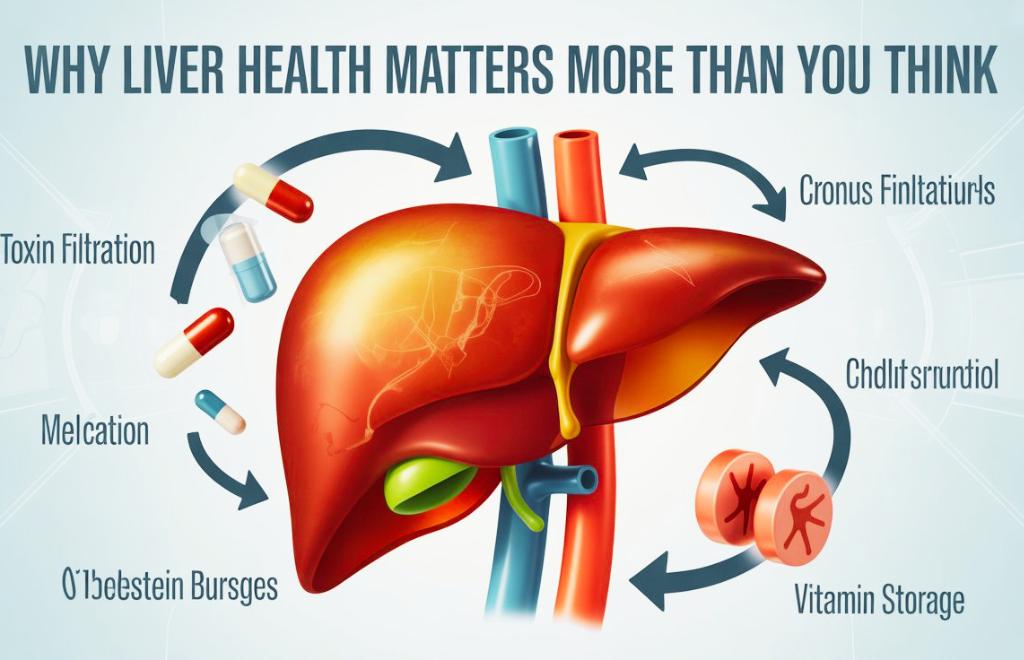
Your liver works harder than most people realise. Imagine a silent guardian standing at the gate of your body, filtering danger every second without rest. That is exactly what your liver does. It removes toxins, processes medications, manages cholesterol, balances hormones, and even stores essential vitamins. Without it functioning properly, your body struggles to survive.
The painful reality is that liver damage often develops quietly. Many people feel perfectly normal until the problem becomes serious. Fatigue, brain fog, digestive discomfort, and unexplained weakness are sometimes dismissed as stress or ageing when the liver may actually be crying for help. This silent suffering makes misinformation about detoxing especially dangerous.

People often believe expensive cleanses can magically fix poor health. But your body already has a built-in detox system. The liver, kidneys, digestive tract, and skin naturally remove waste every day. When people overload the body with aggressive detox products, they may unknowingly interfere with this delicate process instead of supporting it.
Understanding how your liver truly works is the first step toward protecting it. The goal should never be punishing your body in the name of wellness. Real healing starts with smarter choices, not extreme promises.
The Liver’s Hidden Role in Detoxification
Your liver is essentially your body’s natural detox machine. It transforms harmful chemicals into substances your body can safely remove. Every meal you eat, medication you swallow, and drink you consume passes through this hard-working organ.
The problem begins when marketing convinces people that the liver somehow needs “help” through dramatic cleanses or miracle solutions. Science says something different. A healthy liver already detoxifies efficiently. What it truly needs is proper nutrition, hydration, balanced habits, and fewer harmful substances.
Think of your liver like a hard-working employee who never takes a vacation. Instead of giving support, many detox trends hand this employee more stress. Overloading the liver with herbs, supplements, or starvation diets can create pressure where healing should happen.
Protecting your liver means understanding one powerful truth: supporting the body naturally works far better than chasing shortcuts.
Myth 1: Juice Cleanses Are Always Healthy
Bright green juices look healthy, colourful, and refreshing. Wellness influencers often portray juice cleanses as miracle solutions for weight loss and toxin removal. But here is the shocking truth—many juice detoxes may secretly stress your liver.
Most juice cleanses contain massive amounts of fruit sugar while lacking protein, healthy fats, and fibre. When people rely only on juice for days, blood sugar spikes can occur, leaving the body exhausted and nutritionally deprived. Instead of helping the liver, this imbalance may increase stress on metabolism.
Extreme calorie restriction can also slow important bodily functions. Your liver requires nutrients to repair itself and process toxins effectively. Without enough protein and minerals, your body struggles to maintain healthy detoxification pathways.
That glowing “detox feeling” many people experience often comes from short-term water loss rather than real healing. True wellness does not happen through starvation disguised as health. A balanced diet filled with vegetables, lean proteins, and hydration provides far stronger support.
The Dark Side of Extreme Juice Detoxes
Many people begin juice detoxes with hope. They imagine renewed energy, clear skin, and a fresh start. Yet after several days, weakness, dizziness, headaches, and digestive problems often appear.
The emotional trap is heartbreaking. People blame themselves when results fail, believing they simply did not try hard enough. In reality, the method itself may be flawed.
A healthy liver needs amino acids from protein to perform detoxification. Removing important nutrients weakens the system people are trying so desperately to improve. What feels like cleansing may actually be nutritional stress.
Balance—not extremes—is what truly protects your body.
Myth 2: Detox Teas Clean Your Liver
Walk through any health store and you will see shelves filled with detox teas promising miraculous results. Weight loss, toxin removal, liver cleansing—the claims sound irresistible. But many detox teas contain hidden dangers.
Some products rely heavily on laxatives or diuretics. Instead of removing toxins, they mainly cause temporary water loss. This creates the illusion of feeling lighter while potentially causing dehydration.
Certain herbal ingredients can also be risky. Excessive use of unregulated herbal mixtures may stress the liver, especially when combined with medications. People often assume “natural” automatically means safe, but nature can be powerful in harmful ways too.
Drinking water, limiting alcohol, eating whole foods, and sleeping properly often matter far more than expensive detox products.

Hidden Ingredients That May Harm the Liver
The supplement industry can feel overwhelming. Labels often sound scientific and convincing, yet not every ingredient is harmless.
Some detox teas include concentrated herbs that may trigger liver inflammation when taken excessively. Others contain ingredients not clearly disclosed on labels. This uncertainty makes self-prescribed detoxing risky.
Imagine trusting a stranger with the keys to your house. That is similar to blindly trusting products without understanding their effects. Your liver deserves more protection than blind faith in marketing claims.
Always consult healthcare professionals before beginning herbal detox routines, especially if underlying health conditions exist.
Myth 3: More Supplements Mean Better Detox
Many people believe stacking supplements creates stronger health. More pills must mean better results, right? Unfortunately, this myth can quietly become dangerous.
Your liver processes supplements just like medications. Overloading it with excessive herbal products, vitamins, or detox formulas may increase unnecessary strain. Some supplements marketed for cleansing have even been linked to liver injury.
The emotional pressure to “fix” health quickly pushes many into expensive supplement routines. Yet health rarely comes from overwhelming the body. Sometimes the most powerful healing happens through simplicity.
A nutrient-rich diet, movement, hydration, and quality sleep often outperform expensive detox stacks. Less can sometimes be more.
Overloading the Liver With Herbal Products
People often mix several products together, assuming faster results equal better healing. But combining multiple concentrated extracts can confuse the body and increase liver workload.
The truth is emotional but empowering: healing is not punishment. Your body does not need suffering to recover. Gentle support usually works better than aggressive intervention.
Myth 4: Fasting Automatically Repairs Your Liver
Fasting has gained massive popularity, and some methods may indeed offer benefits when done carefully. But the myth that extreme fasting automatically repairs liver damage is misleading.
Skipping meals for long periods without proper nutrition can backfire. Low nutrient intake may weaken energy levels and place stress on bodily systems.
The liver still requires nutrients to function. Starvation is not healing. While structured fasting under medical guidance may help some individuals, extreme approaches without supervision carry risks.
Health is not about suffering through hunger hoping for magic. Sustainable habits create lasting change.
The Risks of Extreme Fasting
When fasting becomes obsessive, warning signs appear—fatigue, mood swings, dizziness, and nutrient deficiencies.
Many people chase quick transformation because they feel desperate for control over health. That emotional struggle is real. But your body deserves kindness, patience, and nourishment.
Extreme restriction rarely creates long-term wellness. Compassionate consistency wins every time.
Myth 5: Alcohol Detox Drinks Undo Liver Damage
Perhaps one of the most dangerous myths is believing detox drinks erase alcohol damage. Sadly, no magical beverage cancels harmful drinking habits overnight.
The liver repairs itself gradually when alcohol intake decreases or stops. Recovery depends on time, nutrition, hydration, and professional medical support when needed.
Buying expensive “hangover detox” products may only offer false reassurance. True healing begins with honest lifestyle changes.
Signs Your Liver May Be Struggling
Your body whispers before it screams. Warning signs of liver stress can include:
- Constant fatigue
- Yellowing skin or eyes
- Swelling in the abdomen
- Dark urine
- Digestive discomfort
- Brain fog or confusion
Ignoring symptoms allows problems to grow silently. Listening to your body can protect your future.
Foods That Truly Help the Liver
| Food | Potential Benefit |
|---|---|
| Leafy Greens | Rich in antioxidants |
| Fatty Fish | Supports inflammation balance |
| Berries | High in protective compounds |
| Nuts | Healthy fats for metabolism |
| Garlic | Supports liver enzyme activity |
| Oats | May support digestive health |
Real nourishment always beats trendy detox promises.
Expert Consultation and Final Thoughts
Before starting any detox plan, consulting a doctor or nutrition expert matters deeply. Everybody is different. What helps one person could harm another.
The emotional truth is simple: your liver is already fighting for you every second. Instead of punishing it with dangerous myths, support it with balanced habits, patience, and evidence-based care.

Conclusion
Shocking detox myths that secretly damage your liver often sound convincing because they offer quick fixes in a fast-moving world. But real health rarely arrives overnight.
Your liver does not need punishment. It needs support, nourishment, and consistency. Choosing balanced meals, staying hydrated, reducing alcohol, sleeping well, and seeking professional guidance creates stronger long-term health than any miracle cleanse ever could.
Protect your liver today, because the body you care for now will carry you through tomorrow.
FAQs
Are detox drinks good for liver health?
Not always. Many detox drinks lack scientific support and may even stress the liver if overused.
Can juice cleanses damage the liver?
Extreme juice cleanses may create nutrient deficiencies and blood sugar problems that can affect overall liver function.
What is the safest way to detox naturally?
Supporting the body through hydration, nutritious food, sleep, and exercise is generally safer than extreme detox methods.
Do herbal detox supplements work?
Some herbs may offer benefits, but excessive or unregulated supplement use may harm liver health.
When should I see a doctor for liver concerns?
Seek medical help if symptoms like fatigue, yellowing skin, swelling, or unusual digestive problems appear.







Leave a Comment