

Introduction to Neurofeedback at Home
Imagine being able to train your brain the same way you train your muscles—right from your bedroom. That’s exactly what neurofeedback at home promises. It sounds almost magical, doesn’t it?
A device, a headset, and suddenly you’re unlocking focus, calmness, and mental clarity without stepping outside. For many, especially in today’s fast-paced digital world, this idea feels like a lifeline.
But here’s the emotional truth: when something sounds too powerful and too easy, there’s often more beneath the surface. While some people describe neurofeedback as life-changing, others quietly struggle with confusion, frustration, or even unexpected side effects. The line between mind-boosting technology and hidden risk can be thinner than you think.
This article dives deep into the reality of neurofeedback at home, exploring its benefits, its risks, and the emotional journey many users experience. By the end, you won’t just understand it—you’ll feel confident deciding whether it’s right for you.
What Is Neurofeedback?
The Science Behind Brain Training
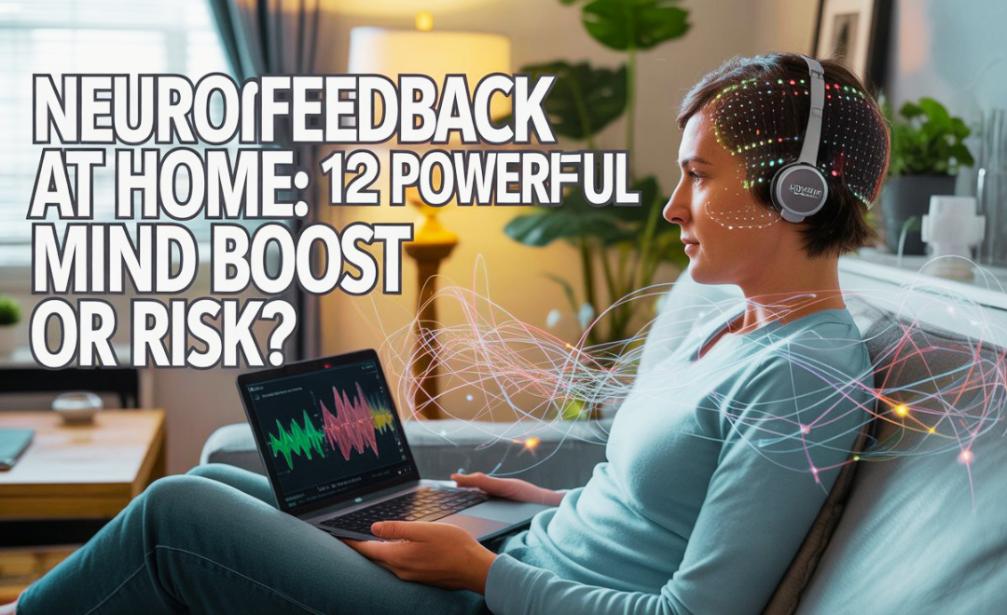
At its core, neurofeedback is a type of brain training based on real-time monitoring of brain activity. It uses sensors placed on your scalp to measure electrical patterns in your brain—also known as brainwaves. These patterns are then displayed through visual or audio feedback, helping you “see” how your brain behaves.
Think of it like looking into a mirror—but instead of your face, you’re seeing your mind in action. When your brain produces desired patterns (like calm or focus), the system rewards you with positive feedback. Over time, your brain learns to repeat those patterns naturally. This process is rooted in neuroplasticity, the brain’s ability to reorganize itself.
Emotionally, this is powerful. It means your brain isn’t fixed. It can grow, adapt, and improve—just like you.
How Neurofeedback Devices Work
Home neurofeedback devices are designed to simplify this process. They usually include a wearable headset connected to an app. The app tracks your brain signals and turns them into games, sounds, or visuals.
For example, if you stay focused, a game character might move forward. Lose focus, and it stops. It’s simple, but incredibly engaging. Over time, your brain begins associating focus with reward.
However, here’s where reality hits: unlike clinical setups, home devices often use fewer sensors and simplified algorithms. This can make them less accurate. And when it comes to something as complex as your brain, accuracy matters more than you might think.
Why People Are Turning to Home Neurofeedback
Accessibility and Affordability
Professional neurofeedback sessions can be expensive, often costing hundreds of dollars per session. For many people, that’s simply not realistic. Home devices, on the other hand, offer a one-time purchase or subscription model that feels far more accessible.
This affordability creates hope. It opens doors for students, busy professionals, and even teenagers who want to improve their mental performance without breaking the bank.
But affordability can also create a dangerous illusion—that something complex is now simple enough to handle alone.
Rise of DIY Brain Optimization Trends
We live in a world obsessed with self-improvement. From fitness apps to meditation tools, everyone is searching for an edge. Neurofeedback at home fits perfectly into this trend.
People aren’t just looking to feel better—they want to perform better. Sharper focus, deeper sleep, emotional control—these aren’t luxuries anymore; they feel like necessities.
Yet, chasing optimization without guidance can sometimes lead to unintended consequences. The same tool that helps one person thrive might overwhelm another.
12 Powerful Benefits of Neurofeedback at Home
Improved Focus and Attention
One of the most talked-about benefits is improved focus. Users often report being able to concentrate longer and avoid distractions more easily. For students or content creators, this can feel like unlocking a superpower.
Better Sleep Quality
Sleep issues are incredibly common, and neurofeedback can help regulate brain patterns associated with rest. Many users say they fall asleep faster and wake up feeling refreshed.
Anxiety and Stress Reduction
By training the brain to stay in calmer states, neurofeedback can reduce anxiety levels. Imagine your mind finally quieting down after a long day—it’s a relief many people crave deeply.
Enhanced Emotional Control
Emotions can feel overwhelming at times. Neurofeedback helps you become more aware of your mental state, allowing better emotional regulation.
Boost in Cognitive Performance
Sharper memory, faster thinking, and improved decision-making are often reported. It’s like upgrading your brain’s processing speed.
Support for ADHD Symptoms
Some individuals with attention difficulties find neurofeedback helpful in managing symptoms. It offers a non-medication approach that feels empowering.
Each of these benefits carries emotional weight. They’re not just features—they represent hope, control, and a better quality of life.
The Hidden Risks You Should Not Ignore
Lack of Professional Supervision
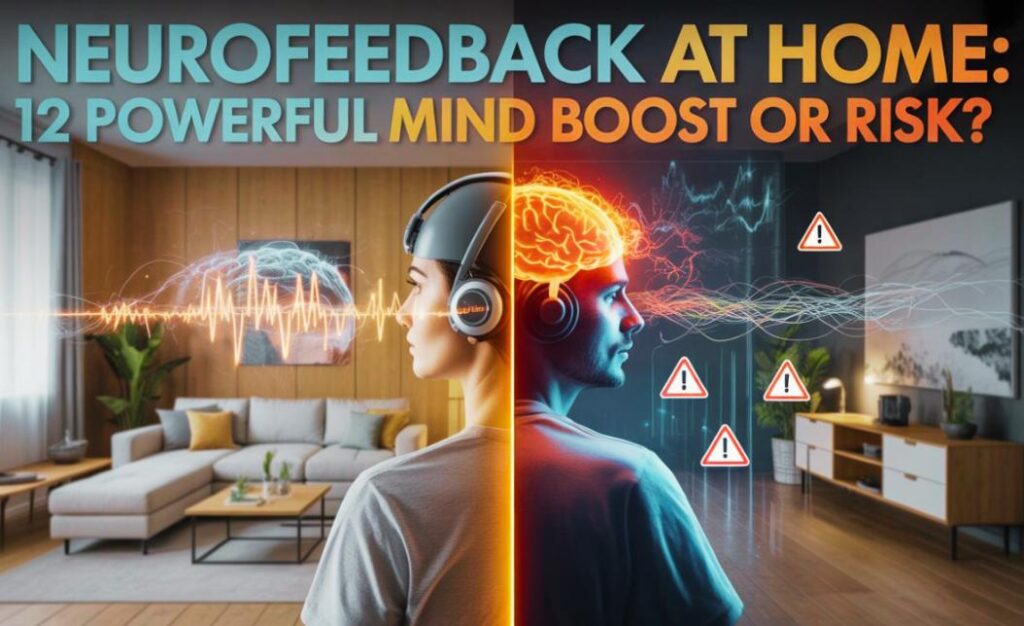
This is where things get serious. Without expert guidance, it’s easy to misuse neurofeedback devices. You might train the wrong brain patterns or misinterpret results.
Imagine trying to fix a complex machine without understanding how it works. That’s what unsupervised brain training can feel like.
Misinterpretation of Brain Data
Brain data is incredibly complex. Home apps simplify it, but that simplification can sometimes lead to incorrect conclusions.
You might think you’re improving when you’re not—or worse, reinforcing negative patterns.
Potential Side Effects
Some users report headaches, fatigue, mood swings, or increased anxiety. While not common, these side effects can be emotionally unsettling.
When you’re trying to improve your mind, the last thing you expect is to feel worse.
Neurofeedback at Home vs Professional Therapy
Key Differences Explained
| Feature | Home Neurofeedback | Professional Therapy |
|---|---|---|
| Accuracy | Moderate | High |
| Guidance | Limited | Expert-led |
| Cost | Low | High |
| Customization | Basic | Personalized |
Professional therapy offers precision and safety, while home devices offer convenience and accessibility.
Cost vs Effectiveness Comparison
While home neurofeedback is cheaper, it may not deliver the same depth of results. It’s like comparing a home workout to a personal trainer—both can work, but one offers more structured guidance.
Who Should Avoid Home Neurofeedback?
Not everyone is a good candidate. People with severe mental health conditions, neurological disorders, or those who are highly sensitive to sensory input should be cautious.
If you’re unsure, that uncertainty itself is a signal to seek professional advice first.
Consultation and Expert Advice Before Starting
Before diving into neurofeedback at home, talking to a qualified professional can make a huge difference. A neurologist, psychologist, or certified neurofeedback practitioner can guide you based on your specific needs.
This step might feel unnecessary, but it’s actually empowering. It ensures you’re not just experimenting—you’re making informed decisions.
Your brain is not a gadget. It’s the core of who you are. Treat it with care.
Conclusion
Neurofeedback at home sits at a fascinating intersection of technology, psychology, and self-improvement. It offers incredible potential—focus, calmness, better sleep, and emotional control. For some, it truly becomes a life-changing tool.
But it’s not a magic button. It requires awareness, patience, and sometimes professional guidance. The risks, while not overwhelming, are real enough to deserve your attention.
At the end of the day, the question isn’t just whether neurofeedback works. It’s whether it works safely and effectively for you.
And that answer starts with understanding—something you now have.
FAQs
Is neurofeedback at home safe for beginners?
Yes, but only if used carefully and with proper research. Beginners should start slowly and consider consulting a professional.
How long does it take to see results?
Some users notice changes within a few sessions, while others may take weeks. Consistency is key.
Can neurofeedback replace medication?
Not necessarily. It can complement treatment but should not replace prescribed medication without medical advice.
Are home devices as effective as clinical ones?
They can help, but they are generally less precise and personalized than professional systems.
What is the biggest risk of using neurofeedback at home?
The biggest risk is misusing the technology without understanding brain data, which can lead to ineffective or negative outcomes.










Leave a Comment